Workwear
Safety Workwear in South Africa: A Practical PPE Buying Guide

Choosing safety workwear in South Africa starts with the job, not the uniform catalogue. A construction crew working near moving vehicles, a warehouse team handling deliveries and a maintenance technician operating machinery may all wear work clothing, but their hazards are not the same. The right garments need to fit the task, the working conditions and the employer’s risk assessment.
At Pansula Workwear, we manufacture and supply workwear and offer a range of protective clothing, Conti suits, reflective garments and footwear. This guide explains how South African businesses can compare options, avoid common buying mistakes and prepare a clear bulk quotation request.
What is safety workwear?
Safety workwear is clothing worn for work where visibility, durability, coverage or a particular protective performance may be needed. Examples include high-visibility garments, protective overalls, Conti suits, rainwear and specialised clothing selected for identified workplace hazards.
Not every uniform is personal protective equipment (PPE). A standard work shirt can be suitable for everyday duties without being certified to protect against heat, chemicals or electrical hazards. Likewise, a general-purpose Conti suit must not be treated as flame-resistant or chemical-resistant unless the exact product has the relevant verified specification.
For buyers, this distinction matters. The correct question is not simply, “Is it safety workwear?” but “What hazard does this item need to address, and what evidence supports its suitability?”
Start with your workplace risk assessment
Under South Africa’s Occupational Health and Safety Act, employers have duties to identify hazards and manage risks. Personal protective equipment is one part of that system, not a substitute for safe machinery, training, supervision or other practical control measures.
Before ordering clothing for a team, involve your safety officer or competent person and clarify:
- Work activities: What does the employee actually do during a normal shift?
- Exposure: Are there moving vehicles, poor lighting, dust, water, heat, splashes, sharp edges or other hazards?
- Existing controls: What hazards have already been removed or reduced through safer processes and equipment?
- Specific protection: Is high visibility enough, or is tested resistance to a particular hazard required?
- Wear time: Will employees wear the garment for two hours or an entire shift, indoors or outdoors?
- Other equipment: Must the clothing work with gloves, footwear, helmets, harnesses or respiratory protection?
Record the requirements by role. A role-based specification is more reliable than issuing the same outfit to every department.
Matching safety workwear to common hazards
The table below is a starting point for procurement, not a substitute for a formal hazard assessment or product-specific PPE approval.
| Workplace condition | Items to consider | What to verify |
|---|---|---|
| Vehicles, forklifts or low-light work | High-visibility and reflective garments | Visibility class, retroreflective performance and suitability for the site |
| Routine mechanical work and dusty tasks | Workwear overalls, Conti suits or boiler suits | Coverage, fit, seam strength and whether additional task-specific PPE is needed |
| Wet or cold outdoor conditions | Rain suits, jackets and suitable layers | Water resistance, breathability, mobility and compatibility with visibility requirements |
| Foot impact or slip hazards | Task-appropriate safety boots or shoes | Exact toe protection, slip rating, sole design and sizing |
| Heat, flame, chemicals or electrical exposure | Specialised protective clothing specified by the safety team | Applicable standard, test reports, limitations and manufacturer instructions for the exact item |
A visible strip of reflective tape does not automatically make a garment suitable for every high-visibility environment. Similarly, thick fabric alone does not establish resistance to flame or hazardous chemicals.
Common types of safety clothing available in South Africa
1. Conti suits and workwear overalls
Conti suits are widely used by maintenance, factory, logistics and construction teams. A typical two-piece set consists of a jacket and trousers, while a boiler suit provides a different style of coverage. Buyers commonly compare poly-cotton blends, cotton options, sizes, colours, fastenings and pocket layouts.
For everyday workwear, look for practical movement, strong seams and features that suit the worker’s tasks. Pansula lists several Conti suit options, including poly-cotton and cotton variants. Each product’s fabric and features should be confirmed from its individual specification rather than assumed across the range.
For more detail on choosing the right type, see our Conti suit buying guide.
2. Reflective and high-visibility workwear
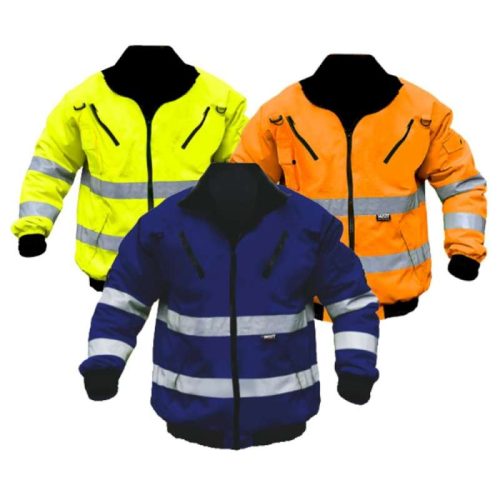
Employees working near vehicles, on loading bays or in poor lighting may require high-visibility clothing. The choice depends on lighting, traffic speed, surrounding colours, weather and the risk assessment. You may need visibility for both daylight and night-time operations.
Ask whether the required performance is documented for the specific garment. Check that branding, jackets worn over the uniform and any additional layers do not cover important reflective or fluorescent areas.
3. Safety footwear
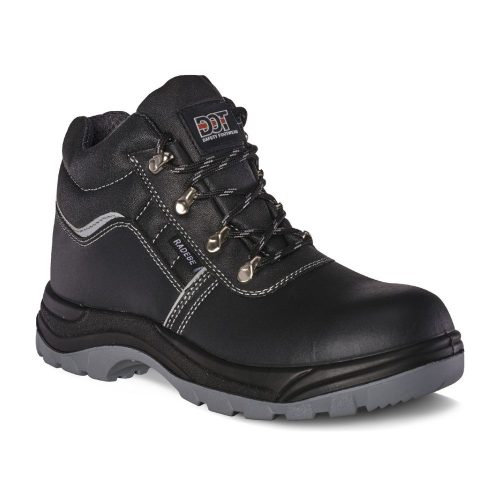
Safety boots and shoes should be selected according to the surfaces, loads and hazards workers encounter. Different jobs may call for verified toe protection, slip resistance, heat resistance or another specific characteristic. A shoe that is appropriate in a dry warehouse may not meet the needs of a wet workshop or construction site.
Inspect the specification and arrange proper sizing before a bulk order. You can browse Pansula’s footwear range to identify products for quotation and comparison.
4. Rainwear, jackets and layering
Outdoor staff may work in rain, wind and cold during early shifts or winter months. Rain suits, jackets and additional clothing layers can help people stay comfortable while performing their duties. However, if workers must remain conspicuous near vehicles, outer layers also need to meet the site’s visibility requirements.
Consider how clothing overlaps at the wrists, ankles and waist; whether a jacket fits over normal workwear; and whether gloves or footwear remain compatible with the final outfit.
5. Gloves and other task-specific PPE
Clothing forms only part of a safe workwear specification. Depending on the job, a team may also require hand, eye, head, hearing or respiratory protection. Each item must be selected for the identified hazard and used according to the relevant instructions.
For example, gloves suitable for routine material handling are not automatically appropriate for hazardous chemicals or high temperatures. Ask for product-specific information before choosing specialised PPE.
How to check PPE compliance without relying on marketing labels
Buyers frequently ask for “SABS-approved PPE” or “compliant workwear”. Those terms should lead to a request for evidence, not an assumption that every item in a supplier’s range holds the same approval.
For any protective garment with a specified performance requirement, ask the supplier to identify the exact product or style, the applicable standard, any relevant certification or test documentation, and the product’s limitations. Check the issuing body, validity and whether the documents genuinely cover the item being ordered.
Workplace compliance depends on correct selection, training, fit, inspection and use as well as the product specification. Purchasing a garment does not, on its own, establish compliance for an entire worksite.
Read our guide on understanding SABS-related PPE claims in South Africa for further buying considerations.
Fit, durability and comfort: what bulk buyers should inspect
A garment needs to fit correctly to remain practical throughout a shift. Clothing that restricts bending or reaching can be uncomfortable, while loose fabric can create risks around certain moving equipment. The correct fit depends on the task and the product’s intended use.
Before placing a larger order, review the following:
- Fabric composition: Ask about the actual blend or material used for the selected product.
- Construction: Inspect seams, stress points, closures and pocket placement.
- Size range: Collect sizes by employee rather than guessing from overall headcount.
- Mobility: Check bending, squatting, reaching and walking during normal duties.
- Washing: Review care instructions and whether they suit your laundry routine.
- Consistency: Confirm that repeat orders can match the required style, colour and specification.
A low unit price can become expensive if sizing is wrong, the style wears out prematurely or replacements cannot be matched. Comparing cost per use and reorder reliability is often more useful than comparing headline prices alone.
How to plan a bulk safety-workwear order
Good planning reduces quotation delays and makes supplier comparisons more meaningful. Start by splitting your staff into groups with similar duties, then prepare quantities for each item and size.
Step 1: Create a department-by-department garment list
List the roles you need to equip, such as technicians, drivers, warehouse staff, security teams or site supervisors. Record the garments and any separately required PPE for each role.
Step 2: Prepare a clear size breakdown
Confirm sizes before quoting wherever possible. If you need guidance, use Pansula’s size charts and ask about fit for the particular product. Sizes may differ between styles and manufacturers.
Step 3: Define your preferred fabric, colours and branding
Provide existing uniform colours, required materials, logo placement and any practical limitations. If high-visibility or specialised protective performance is needed, confirm branding positions against the manufacturer’s instructions before approving the order.
Step 4: Confirm quantities and timelines
Include your initial order volume, likely repeat orders, required delivery location and target date. Pansula can then advise on product options, quotation details and available fulfilment arrangements.
Step 5: Check the final quote against your specification
Before accepting a quotation, confirm item names, fabric or product reference, colours, sizes, quantities, branding, lead times and any required supporting documentation. A clear written specification is especially useful for multi-site or multi-department organisations.
Branded safety clothing: keep protection first
Company logos can help staff look consistent and remain identifiable, but decoration must not undermine the garment’s required function. The suitability of embroidery or printing depends on the material, the design and any protective standard that applies to that specific item.
Never assume that branding is harmless simply because it is common. For specialised garments, obtain guidance about permissible alterations and avoid covering reflective elements, labels or safety-critical details. For broader branding advice, read our custom-branded workwear guide.
Care, inspection and replacement
A useful uniform policy includes routine checking as well as an initial purchase. Workers and supervisors should look for damaged seams, broken fastenings, worn soles, loss of visibility or other signs that a garment may no longer be fit for its assigned role.
Follow the manufacturer’s washing and maintenance instructions, particularly for garments with specialised protective properties. Do not rely on a fixed replacement interval for all items: actual wear, exposure, condition and product instructions matter more than a general timetable. Replace items when their intended performance can no longer be relied upon.
Safety workwear for South African and neighbouring African businesses
Pansula Workwear supports businesses sourcing workwear for South African operations, from Gauteng and other provinces to organisations coordinating uniforms for teams in multiple locations. Buyers in neighbouring African countries can also enquire about product selection and available cross-border supply arrangements.
When requesting a quotation for an international delivery, include your country, receiving location, quantities and required date. Availability, transport arrangements, documentation and lead times should be confirmed for the specific order rather than assumed.
Frequently asked questions about safety workwear in South Africa
Is all workwear classified as PPE?
No. Some garments are general workplace uniforms, while others are PPE designed for defined hazards. Determine whether a protective performance standard applies to the exact item before treating it as protective equipment.
Is a Conti suit automatically flame-resistant?
No. A standard Conti suit should not be assumed to provide flame, chemical or electrical protection. Those properties require the appropriate product design, specification and evidence for the hazard concerned.
How do I choose high-visibility clothing for my team?
Start with the site’s risk assessment. Consider vehicle movements, lighting, weather, work location and the required visibility performance. Then verify the actual garment’s specification rather than choosing by colour or reflective tape alone.
What information should I send for a bulk quotation?
Provide the number of employees, job roles, garment types, size breakdown, fabric and colour preferences, branding requirements, delivery location and deadline. Include any mandatory product standards or technical documentation requirements.
Can Pansula help with branded safety workwear?
Pansula offers workwear and branding options. Whether a particular protective garment can be branded depends on its design and any relevant performance requirements. Ask about the proposed garment and logo position before confirming production.
How often should safety clothing be replaced?
Replacement depends on use, condition and manufacturer instructions. Inspect garments regularly, remove unsuitable or damaged items from use and replace products when their required function cannot be maintained.
Can I request workwear for Zambia or Zimbabwe?
You can submit an enquiry with your delivery country and order requirements. Confirm available delivery options, charges and lead times with Pansula before making procurement commitments.
Request a bulk safety-workwear quotation from Pansula
Whether you are equipping a small maintenance team or standardising workwear across several sites, a clear specification is the best place to start. Browse Pansula’s product range, identify the items that suit your requirements and send your quantities, sizes and delivery details.
Need workwear for your workforce? Contact Pansula Workwear to discuss the options for your team and obtain a quotation tailored to your requirements.
Important: Selection and suitability of PPE must be established through the employer’s risk assessment and the relevant product documentation. This article is general purchasing guidance, not a certification statement or a substitute for professional safety advice.
