
Workwear
Reflective Workwear South Africa: Vests, Jackets & Buying Guide
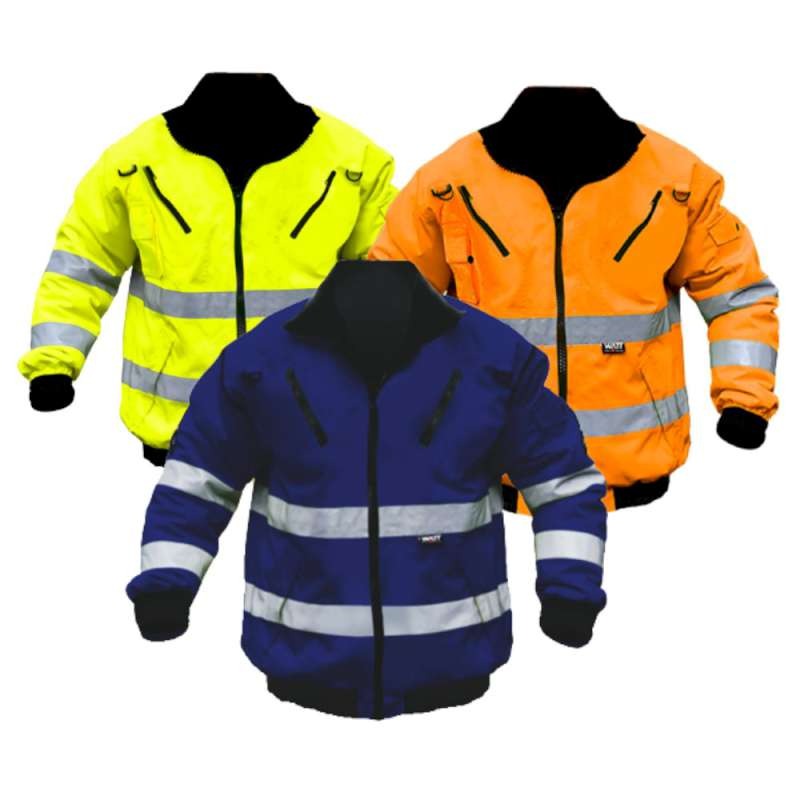
Reflective workwear in South Africa needs to suit the worker, the job and the conditions in which it will be worn. A warehouse employee crossing a busy loading bay, a security guard working an early shift and a roadside maintenance team all need to be visible, but they may need different garments. Choosing the right reflective vest, jacket or overall begins with the workplace risk assessment, not simply the colour of the clothing.
Pansula Workwear manufactures selected workwear and supplies reflective clothing, Conti suits, jackets and related PPE for South African businesses. This guide explains the differences between reflective clothing options, what buyers should check and how to prepare a practical bulk quotation.
What is reflective workwear?
Reflective workwear includes garments with materials intended to make a person easier to notice, particularly when light from vehicles or equipment reaches the garment. It is commonly used around traffic, loading areas, mobile equipment and sites where people may be difficult to see.
There are two important visibility features to understand:
- High-visibility background material: Bright, conspicuous colours can help distinguish the wearer from the surroundings in daylight and suitable conditions. The level of performance depends on the garment and its tested specification.
- Retroreflective material: Reflective tape is designed to return incoming light towards its source, helping the wearer stand out when illuminated by vehicle headlights or other directed light.
These features perform different roles. Reflective tape alone does not prove that a garment meets a particular high-visibility safety standard. Where certified visibility performance is required, request the documentation for the exact garment and size being supplied.
Where reflective workwear is used in South Africa
The right clothing depends on the environment, working hours and activities taking place around the employee.
Construction sites and road maintenance
Roadside and construction teams may work close to site vehicles, plant equipment or public traffic. Visibility requirements can vary between a controlled building site, a delivery area and a roadside work zone. Assess the work location, traffic movement, lighting and any site-specific clothing rules before choosing a vest or jacket.
Warehouses, yards and logistics
Employees in dispatch areas, loading zones and large yards may be near forklifts, delivery trucks and reversing vehicles. Reflective vests or other visible outer garments can be part of the site controls, alongside traffic separation, training and safe operating procedures. Garments must allow workers to bend, reach and move without excess loose fabric.
Security, access control and outdoor patrols
Security officers may need to be identifiable at entrances, gates or outdoor posts, including early-morning and evening shifts. Depending on the site, a reflective jacket or vest may need to fit over a standard security uniform. The uniform should remain comfortable through long periods of standing and walking.
Municipal services and facility maintenance
Cleaning, maintenance and facilities teams often move between indoor areas, vehicle routes and outdoor locations. A suitable workwear plan may include a lightweight visible layer for warmer conditions and a separate outer jacket for wet or cold weather.
Reflective vests, jackets and taped workwear: which should you buy?
Pansula’s online range includes reflective-wear categories, jackets and workwear garments with reflective tape. These options are not interchangeable in every situation.
Reflective vests
Vests are a practical option when workers need an additional visible outer layer without changing the rest of their uniform. Consider how a vest fastens, whether it allows movement and whether it remains visible when worn over bulky clothing. Check the positioning of tape, the available sizes and any requirement for a particular tested visibility class.
Reflective bibs
A reflective bib can provide a different coverage and wearing arrangement from a full vest. It may suit some identification or visibility needs, but employers should verify that the chosen design provides adequate coverage for the identified hazards. An open-sided or minimal garment must not be assumed equivalent to a certified vest.
Reflective jackets
Jackets add a layer for exposed posts, outdoor shifts or colder weather. When comparing options, check closure quality, movement around the shoulders, sleeve design and whether reflective elements remain visible from relevant directions. Pansula lists a Bunny Jacket with Reflective Tape; the product page describes zip-off sleeves and fleece lining. Confirm current specifications and suitability when requesting a quote.
Conti suits and boiler suits with reflective tape
Many industrial teams prefer a consistent full workwear uniform rather than a removable vest. Pansula offers taped Conti suits and boiler suits, including the J54 cotton Conti suit with reflective tape. Its published product description identifies tape on the jacket arms and trouser legs. Other blends, colours and designs may be available, so specify the exact item rather than assuming all taped garments have identical features.
Pansula also lists the Pansula Integrated Reflective Worksuit 80/20 in its shop. This may be worth comparing if your team needs a coordinated two-piece workwear style with integrated reflective detailing. Ask for its current construction, fabric, sizing and applicable documentation.
Insulated outerwear with reflective detail
For cold workplaces, Pansula lists a Freezer Jacket with Reflective Tape. Its product page describes insulation, a water-resistant outer and reflective tape. Water-resistant does not automatically mean waterproof: buyers should confirm the protection required for the actual weather or workplace exposure.
Buying for night shifts and low-light conditions
Reflective clothing is especially relevant when work takes place at dawn, dusk or after dark. However, garment selection is only one part of managing visibility. Site lighting, vehicle speeds, pedestrian routes, signage and safe traffic management still matter.
Check the following before issuing garments to a night-shift team:
- Viewing direction: Can vehicle operators see relevant reflective areas from the front, back and sides?
- Outer layers: Will a raincoat, backpack or jacket hide reflective tape on the uniform beneath?
- Garment condition: Are tapes dirty, peeling, heavily creased or damaged?
- Contrast: Does the background colour provide suitable visibility in the environment?
- Task requirements: Is a particular garment design or verified visibility classification specified in the risk assessment?
Important: Even an appropriate high-visibility garment cannot guarantee that a person will be seen. Workers and operators still need safe traffic procedures, adequate lighting and appropriate supervision.
Reflective workwear for winter, rain and changing weather
Cold-weather work introduces a common problem: employees put a warm coat over the reflective garment supplied to them. Once the visibility features are covered, the original uniform may no longer provide the intended conspicuity.
For winter and outdoor teams, plan clothing as a complete system:
- Base clothing: Choose garments that suit movement and the temperature without creating uncomfortable bulk.
- Insulating layer: Add warmth where needed, ensuring the worker can still bend, lift and operate equipment safely.
- Visible outer layer: Where visibility is required, keep the specified high-visibility or reflective garment on the outside.
- Rain protection: For prolonged wet exposure, verify the rain garment’s water protection and ensure it does not conceal necessary reflective areas.
Read our wider winter workwear planning guide for complementary guidance on layering, jackets and wet-weather clothing. If you are buying specifically for a road crew or construction site, our construction workwear guide covers role-based site requirements.

How to check quality and suitability before a bulk order
When comparing quotes for reflective workwear in South Africa, ask suppliers for information you can apply to your own site requirements.
- Exact product identification: Record the product name, fabric, colour, style and any variation that affects its specification.
- Visibility requirements: If a particular SANS, ISO or other standard is specified for the job, request evidence that the exact garment meets that requirement. Do not assume that all products sold as reflective wear carry the same certification.
- Construction: Check stitching, closures, tape attachment, pocket placement and ease of movement.
- Fit: Confirm the actual size chart, particularly where a jacket must fit over other layers or a vest must be worn over existing uniforms.
- Care instructions: Determine how to wash, dry and inspect the item without degrading its visibility features.
- Branding position: Confirm that logos will not obscure necessary reflective elements or compromise protective performance.
- Availability and repeat ordering: Check current colour options, size availability, delivery arrangements and how additional units will be matched to the original order.
A useful comparison is cost per suitable garment over its service life, not only the lowest unit price. An inexpensive item that fits poorly or cannot meet the site’s requirements may be a poor purchase, while more expensive clothing is not automatically the right choice either.
Bulk sizing and branding for consistent teams
For larger orders, start with a size schedule for each role or department. Separate jackets, vests, trousers and full workwear sets where appropriate; a worker’s jacket size may differ from their trouser size. Use the manufacturer’s measurements rather than ordering solely from the size printed on existing clothing.
Branding may be useful for company identity and staff identification. Pansula offers selected branding services, but any placement on protective garments should be reviewed against the product’s intended performance. A logo or additional embroidery must not cover reflective elements that need to remain exposed.
If your workforce includes multiple branches or shifts, specify the distribution by location, team and size. This reduces avoidable back-and-forth when requesting a bulk quote and makes repeat purchasing easier.
Reflective workwear inspection and care
Visible garments need routine checks because ordinary wear can reduce the condition of the background material and reflective tape. Employers should follow the garment maker’s care guidance and any applicable site inspection policy.
Check for torn seams, failed fastenings, worn fabric, missing strips, peeling tape, heavy staining and damage caused by laundering. When a garment no longer satisfies the workplace’s visibility requirements, arrange a suitable replacement rather than relying on its original appearance or age alone.
Do not assume that a particular number of washes or months of use applies to every reflective item. Its service life depends on the product, its environment, the frequency of use and the manufacturer’s instructions.
A practical reflective workwear bulk quotation checklist
Before contacting Pansula Workwear, prepare the information below so the quotation can reflect your actual requirements:
- Garment type: Vest, bib, jacket, taped Conti suit, boiler suit or a combination.
- Quantity: Required number of units for each item and any planned repeat orders.
- Sizes and colours: A breakdown by garment size, colour and department.
- Site conditions: Day or night work, indoor or outdoor use, exposure to rain or cold, and nearby vehicles or equipment.
- Standards: Any specific visibility classification, safety standard or document required by the workplace.
- Branding: Logo file, preferred location and whether approval of artwork is needed.
- Delivery: Delivery address, number of destinations and required date.
- Procurement details: Any formal quotation, purchase-order or tender requirements.
For orders outside South Africa, include the destination country and confirm current shipping availability, charges and lead times with Pansula before committing to your procurement schedule.
Frequently asked questions about reflective workwear
What is the difference between reflective wear and high-visibility clothing?
Reflective material returns directed light towards its source, while high-visibility clothing may combine conspicuous background fabric and reflective material. The appropriate construction and performance depend on the exact garment and the standard required for the work.
Can a reflective vest be worn over a jacket?
It may be possible if the vest fits correctly, stays securely in place and provides the visibility required by the site’s assessment. Check that the outer garment does not conceal necessary reflective areas and that the overall fit is safe around equipment.
Are all reflective jackets suitable for night work?
No. The presence of reflective tape does not confirm suitability for a particular night-work hazard or compliance standard. Check the exact item’s documentation, design, condition and the employer’s risk assessment.
Is reflective workwear the same as flame-resistant clothing?
No. Reflective tape and bright fabrics do not establish flame, heat or arc protection. If workers face those hazards, select clothing with the independently verified protective performance required for the task and confirm the compatibility of any reflective components.
Does Pansula sell reflective Conti suits and jackets?
Pansula’s published range includes taped Conti suits, reflective jacket options and other workwear with reflective features. View the current shop or ask about sizes, colours and product specifications when requesting a quotation.
Can we request reflective workwear with our company logo?
Branding options can be discussed as part of a quotation. Any proposed branding location should be checked for compatibility with the garment’s visibility and protective requirements before production is approved.
How often should reflective workwear be replaced?
Replace or withdraw clothing from service when its condition, damage or wear means it no longer satisfies the required visibility performance. Follow the manufacturer’s instructions and workplace inspection criteria rather than applying a fixed replacement date to every item.
Request a reflective workwear quotation from Pansula
Whether you are equipping a warehouse crew, security team, construction contractor or multi-site operation, start with the garment type, quantity, sizing and visibility requirements. Pansula Workwear can discuss available reflective jackets, taped workwear and related clothing options against your requested specification.
Ready to equip your team? Send through your requirements and ask for a product-specific quotation, including any branding, site standards and delivery arrangements.
Request a Reflective Workwear Quote
Safety note: This article provides general buying guidance. The exact protective performance and suitability of any garment must be checked using the employer’s risk assessment and product-specific documentation. This article does not certify any item or replace professional safety advice.
