Branding & Customisation
Custom Embroidery for PPE in South Africa: Workwear Guide
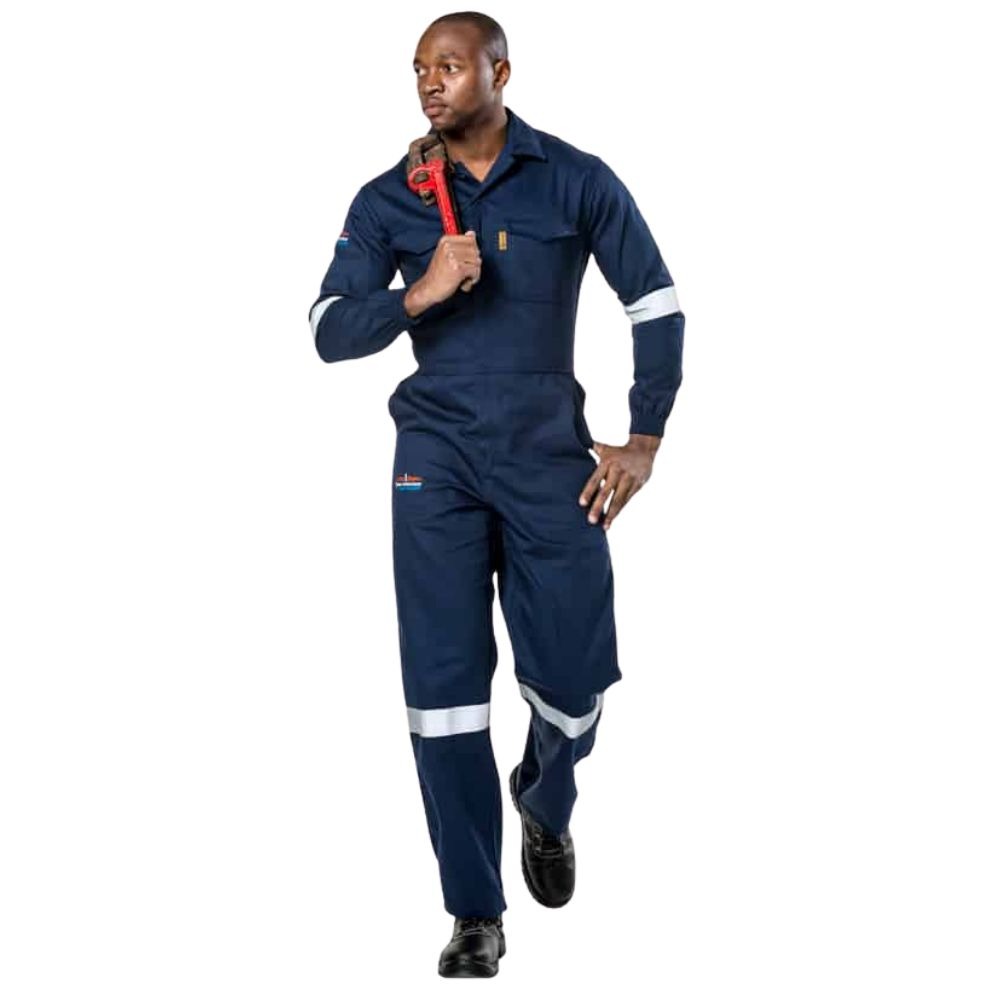
Custom embroidery for PPE and workwear helps South African businesses present a consistent company identity across the garments their teams use every day. An embroidered logo can make a corporate shirt, golf shirt, jacket or suitable work uniform immediately recognisable. For staff working across multiple sites or departments, clear branding also helps customers, visitors and colleagues identify the right people.
However, not every garment should be branded in the same way. A cotton golf shirt and a protective jacket have different requirements. When clothing has a safety function, the branding method, position and approval process matter just as much as the appearance. This guide explains how embroidery works, how it compares with screen printing and how to plan a bulk-branded uniform order with Pansula Workwear.
What Is Custom Embroidery for Workwear?
Embroidery creates a logo, name or design using thread stitched into a garment. Unlike a printed design that sits on the fabric surface, the embroidery becomes part of the garment’s construction. It is a popular choice for company uniforms because a well-planned embroidered logo can deliver a tidy, durable finish suitable for repeated everyday wear.
Embroidery is not automatically the best method for every material. Thick designs may feel stiff on lightweight shirts, very small lettering can lose definition, and the needle can affect specialised fabrics or protective finishes. The right result depends on choosing a suitable garment, sensible artwork dimensions and an approved placement.
Embroidery vs Screen Printing: Which Should Your Business Choose?
Both methods can work well for branded uniforms. The decision should be based on your logo, garment fabric, intended use and quantity rather than appearance alone.
| Consideration | Embroidery | Screen printing |
|---|---|---|
| Appearance | Textured, stitched detail with a structured professional finish | Flat, ink-based finish that can suit bold graphics |
| Common uses | Corporate shirts, golf shirts, caps, suitable jackets and uniforms | T-shirts, promotional garments and suitable workwear with larger designs |
| Fine details | Tiny text and intricate gradients may need simplification | Some detailed designs can be reproduced, subject to the printing process and fabric |
| Large branding areas | Can become heavy or costly as stitch coverage increases | May be more practical for larger suitable designs |
| Protective clothing | Requires approval if needle penetration could change a protective feature | Requires approval if ink, curing heat or coverage could affect protective properties |
For example, a small left-chest company logo on a formal shirt is often a good embroidery candidate. A large back graphic on a promotional T-shirt may be better suited to printing. Where a garment is protective, the product’s manufacturer’s instructions and the specific hazard requirements must guide the decision.
For broader advice on colours, uniform identity and branding consistency, read our custom branded workwear guide.
Which Workwear Garments Can Be Embroidered?
Corporate Shirts, Golf Shirts and Everyday Uniforms
Corporate teams, sales staff, receptionists and supervisors often need neat clothing that identifies the business without looking promotional. Depending on the fabric and garment construction, embroidery can be considered for formal shirts, golf shirts and other casual uniforms. A modest left-chest logo can work well when it remains clear against the garment colour.
Plan the branding as part of a complete uniform rather than ordering one branded item in isolation. Confirm how shirts, trousers, jackets and footwear will look together, and make sure the chosen colours can be reordered when new employees join the team.
Jackets and Winter Workwear
In winter, a jacket may hide a branded shirt for most of the shift. Adding a logo to a suitable outer garment can keep warehouse supervisors, delivery teams, technicians and customer-facing staff identifiable. Consider logo placement while the jacket is zipped up and worn over other layers.
Important: A jacket that is insulated, waterproof, high-visibility or otherwise designed for protection needs an extra suitability check. Embroidery can puncture fabric or affect a membrane. Do not assume a jacket remains waterproof or compliant after stitching. Ask about approved methods and placement before placing a branded order.
Conti Suits, Boiler Suits and Industrial Uniforms
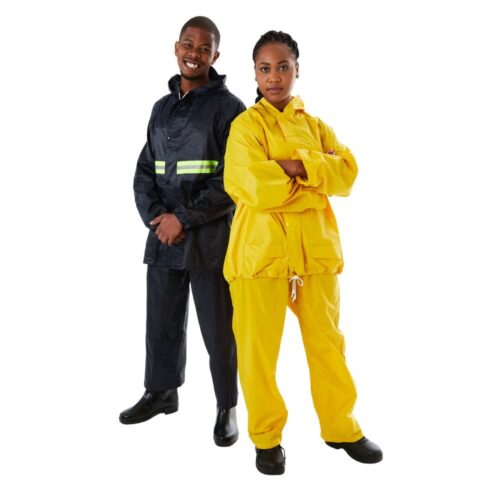
For general industrial clothing, a company logo may help distinguish departments, contractors and site teams. Pansula offers a range of Conti suits, boiler suits and other workwear. The correct branding approach depends on the exact garment and the work being performed.
Do not treat standard workwear and certified protective clothing as interchangeable. Garments used around arc flash, flames, chemical splash or other specialised hazards may have strict limitations on modifications. Confirm the exact product specification and whether any logo application is authorised.
Security, Hospitality and Medical Uniforms
Security teams often need consistent presentation across shirts and jackets. Hospitality teams may need logos on suitable chef jackets or service uniforms. Clinical teams may choose identification on scrub tops or lab coats where workplace infection-control policies permit it.
Medical uniforms and medical PPE are not the same thing. A scrub top may be ordinary professional clothing; a protective gown may provide a defined barrier. Never embroider a disposable protective item or barrier garment without explicit product-specific confirmation that the modification is permitted.
Can You Embroider PPE Without Affecting Safety?
Sometimes, but only when the particular product and application are approved. The word PPE describes equipment intended to protect against defined hazards. A garment does not become protective simply because it is branded, and stitching a logo must not compromise the protection provided by a garment that is already certified or specified for a particular risk.
High-Visibility and Reflective Clothing
On reflective or high-visibility clothing, a logo must not obscure the reflective tape or reduce the required visible area of fluorescent or retroreflective material. A large embroidered patch or densely stitched graphic can alter the useful surface area, even if the garment still looks bright. Check the applicable garment standard and manufacturer’s instructions before approving the design.
Our reflective workwear buying guide explains the distinction between reflective detailing and broader visibility requirements.
Flame-Resistant, Chemical-Resistant and Weather-Protective Garments
Embroidery can introduce threads with different heat performance, create needle holes or disturb protective coatings and seams. For clothing intended to resist flames, chemicals or weather penetration, request written confirmation of approved branding methods from the manufacturer or competent supplier. Where embroidery is unsuitable, explore an approved alternative rather than taking a chance with the original garment.
A logo must also never cover care labels, identification markings, required warnings or certification details. Branding is secondary to the job-specific risk assessment and the garment’s intended performance.
Choosing the Right Logo Size, Colour and Placement
Left Chest, Sleeve, Back or Name Placement?
A small left-chest logo is a common option on formal workwear and golf shirts because it is visible during everyday interactions. A sleeve position can suit some uniforms, while a back logo can improve team identification when viewed from behind. The right placement still depends on seams, pockets, zips, fabric thickness and the position of protective features.
Before approval, look at the garment in use. A logo placed too near a pocket may be partly hidden. A design across a high-movement section can distort. A jacket logo may be covered by straps, a safety harness or other equipment. Ask for a placement proof on the actual garment style where practical.
Keep Small Text Readable
Detailed logos often need to be adapted for embroidery. Very thin lines, small lettering and complex colour blends may be difficult to reproduce cleanly in thread. Ask whether the embroidery artwork needs simplification and request a sample for approval before the full run.
Colour contrast also matters. A dark logo on a dark shirt may be subtle but difficult to recognise. If several departments wear different colours, define approved thread colours so the company identity remains consistent.
How to Order Bulk Embroidered Workwear From Pansula
A well-organised request helps the supplier check suitability and prepare an accurate quote. For a mixed team, start by separating the garments by department and work environment rather than choosing the same item for everyone.
- Choose the garments. Identify the shirts, jackets, overalls or other items required. Browse the Pansula product range for available styles.
- Confirm the role and any hazards. Identify which garments are general uniforms and which are needed for a protective purpose. Include any applicable product specification or site requirement.
- Prepare quantities and sizes. Supply a quantity by garment style, colour and size. Use the size charts as a starting point and confirm any fit differences between styles.
- Provide the logo. Pansula’s published terms and conditions request artwork and Pantone colours in JPEG format. Confirm any additional file requirements with the team.
- Specify placement. State the proposed location, approximate logo width and number of branded positions. Flag any reflective tape, waterproof seams or other areas that must not be altered.
- Approve the sample. Check spelling, logo shape, thread colours, placement and stitching before authorising production. Pansula’s published terms refer to approval samples for digitised logos.
- Confirm commercial details. Ask for the written price, any digitising setup charge, applicable minimum quantity, VAT, dispatch or collection arrangements and the confirmed delivery date.
For a broader walkthrough of preparing a company-wide order, see our custom workwear bulk ordering guide.
What Affects the Price of Custom Embroidery?
There is no responsible way to quote one embroidery price for every logo and garment. The cost can vary with the type of garment, logo dimensions, stitch complexity, number of colours, number of placements, order quantity and any artwork preparation required. Branding a small logo once is different from applying several large designs to every jacket in an order.
Pansula’s published terms mention a once-off digitising setup fee for new logo artwork. Ask whether your artwork has already been digitised and whether later repeat orders can use the approved design. Confirm the setup fee and embroidery charges on your current quotation rather than relying on an assumed rate.
For planning, the published terms state a 10-15 working-day turnaround for embroidered or printed orders after production starts. This is not a guarantee of delivery by a particular date: stock availability, artwork approval, payment, custom garment manufacturing and transport may affect the final schedule. Get a written delivery commitment for your specific order.
How to Keep Embroidered Uniforms Looking Professional
Use the garment’s care label as the primary guide. Turn suitable garments inside out before washing if instructed, avoid unnecessary abrasion against the logo, and do not expose stitched designs to heat or chemicals outside the garment’s approved care conditions. Inspect logos for loose threads and check that the surrounding fabric remains in good condition.
For businesses ordering in volume, keep an approved reference sample and a record of the garment style, thread colours, logo position and size. This makes future orders more consistent. It is particularly useful when a company has multiple branches or needs replacement uniforms for new employees throughout the year.
Frequently Asked Questions About Workwear Embroidery
Does Pansula Workwear offer custom embroidery and printing?
Yes. Pansula’s published terms list embroidery, printing and reflective-tape branding as custom branding options. The appropriate method depends on the selected garment and the design. Ask the team to confirm suitability when requesting a quotation.
Can I embroider a company logo onto a Conti suit?
Logo embroidery may be suitable for selected general-purpose Conti suits, but it should not be assumed safe for all garments. If the suit has flame, chemical, high-visibility or another protective requirement, confirm that the proposed branding method and placement are permitted for that exact product.
Can reflective jackets be embroidered?
Only where the product’s design and applicable requirements allow it. Do not cover reflective tape or required high-visibility surfaces. For weather-protective jackets, also check whether stitches would affect water resistance. Request an approved branding location and method.
Is embroidery better than screen printing for a company logo?
Neither method is best for every order. Embroidery can be effective for small, structured logos on suitable workwear and corporate garments. Screen printing can suit larger, bolder designs on compatible fabrics. Compare appearance, durability, garment compatibility and quote price before deciding.
What logo file should I send for embroidery?
Pansula’s published terms request logo artwork and Pantone colours in JPEG format. Include the intended placement and dimensions, and ask whether the team needs another source file for preparation. Approve the digitised sample before production.
Is there a minimum order quantity for embroidered uniforms?
Minimum quantities can depend on the garment, branding method and whether an item must be specially manufactured. Ask Pansula to confirm the minimum applicable to your selected products rather than assuming that all embroidered workwear has the same threshold.
How long does branded workwear take?
The published terms indicate 10-15 working days for embroidery or printing after production starts. Your order may require additional time for artwork approval, stock availability or specialised manufacturing. Confirm the final lead time when the quotation is issued.
What should I check before signing off an embroidered uniform order?
Confirm the correct garment, fabric and fit; logo spelling and orientation; approved thread colours; size and placement; sample approval; any PPE restrictions; garment quantities; and the agreed price and delivery date. Keep a copy of the approved proof for future reorders.
Request a Quote for Custom Embroidery for PPE and Workwear
Whether you need embroidered corporate shirts, branded golf shirts, identifiable jackets or suitably approved industrial workwear, Pansula can help you review the garment range and branding options for your team. The starting point is a clear brief: which garments you want, how many you need, where the logo should appear and whether any item performs a protective function.
Include your company name, expected quantities, sizes, logo artwork and delivery location when you enquire. For protective clothing, also provide the relevant site requirements so branding can be assessed before production.
Request a Bulk Embroidery Quote
See Pansula’s terms and conditions for the published artwork, approval, turnaround and customised-garment policies. All garment suitability, pricing and production dates should be confirmed for the specific order.
