Workwear
Winter Workwear in South Africa: Jackets, Rainwear & PPE
Winter workwear in South Africa should be chosen for the conditions employees actually face, not simply for how warm a jacket looks. A security officer standing outside at dawn, a warehouse worker moving between loading bays and a construction team working in rain may all need different combinations of clothing. The right plan considers warmth, water protection, visibility, movement and any job-specific safety requirements.
Pansula Workwear manufactures selected workwear and supplies jackets, rainwear, reflective clothing, gloves, footwear and related uniform ranges for businesses. This guide explains how to build a practical winter workwear and PPE system, compare garment types, avoid common buying mistakes and prepare a bulk quotation.
What winter workwear and PPE does your team need?
There is no single winter uniform that suits every South African workplace. Dry, cold mornings in Gauteng create different clothing needs from wet, windy conditions in the Western Cape. An employee who stands at a gate for several hours may require more insulation than someone who carries loads throughout the day. Indoor refrigerated areas have their own exposure and equipment requirements.
Begin with the workplace risk assessment and tasks. Identify the conditions workers will experience, how long they will be exposed and whether the garments must work with other protective equipment.
- Cold exposure: Consider temperature, wind, length of shift, activity level and available warm-up breaks.
- Wet weather: Determine whether clothing must manage brief showers, prolonged rain, wet surfaces or repeated movement between indoor and outdoor areas.
- Visibility: Assess lighting, vehicle movements and whether outer jackets could hide reflective tape on uniforms beneath them.
- Workplace hazards: Check whether the role requires specified protection against flame, arc, chemicals, machinery or other risks.
- Practical fit: Ensure workers can bend, reach, walk and operate equipment safely while wearing the complete outfit.
Important distinction: Ordinary warm clothing is not automatically certified personal protective equipment. A padded jacket, reflective strip or waterproof-looking outer layer should not be assumed suitable for a hazardous task without checking its exact product specification and the standards required on site.
Build a winter workwear system with three practical layers
Layering gives employers more flexibility than issuing one extremely thick garment to every person. Workers can adjust suitable layers when moving between cold outdoor areas, warmer indoor spaces and physically demanding tasks, subject to site rules.
1. Base layer: clothing worn closest to the body
The base layer should fit comfortably and allow ordinary movement. For active roles, consider whether the fabric manages perspiration appropriately; damp clothing can leave workers feeling colder when their activity level drops. Choose fabrics that suit the work environment, care routine and any relevant safety restrictions.
A base layer must not interfere with protective garments or introduce a new hazard. For example, workplaces with heat, flame or arc risks should follow the clothing system specified by their safety assessment rather than use an ordinary synthetic base garment without checking compatibility.
2. Mid-layer: insulation that suits the task
A mid-layer adds warmth. Depending on conditions, this may be a suitable fleece, jersey or another insulated garment. Pansula lists fleece jackets among its published outerwear ranges.
Compare insulation against workload. A security guard who remains at an entrance may need more warmth than a warehouse worker who is continuously moving. Extra thickness is not always better: excessive bulk can limit movement, interfere with harnesses or make a worker overheat.
3. Outer layer: protection against wind, rain and site exposure
The outer layer is the first line of defence against weather. Choose a jacket or rain garment according to the expected wind and rainfall, while checking that it fits over the intended inner layers. Where visibility is required, the specified reflective or high-visibility features must remain appropriately visible on the outside of the completed outfit.
Do a fit test using all the layers together, not just the outer jacket on its own. Workers should be able to fasten closures, use their pockets, see clearly and move normally without the fabric catching on equipment.
Winter jackets: parka, fleece, soft shell or freezer jacket?
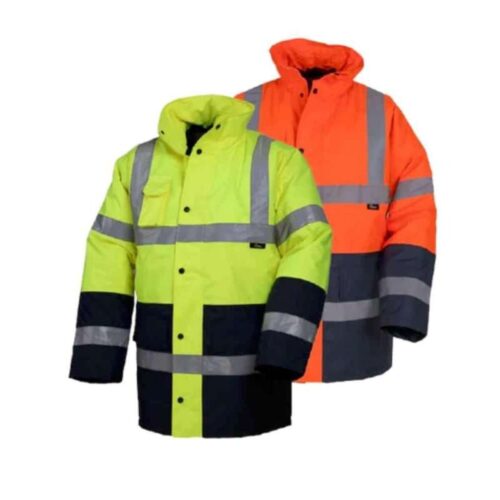
Pansula’s jacket range includes categories such as parkas, fleece jackets, soft shell jackets, windbreakers, bunny jackets and freezer wear. These styles serve different purposes. Buyers should check the current specification of the exact product rather than assume that every jacket offers the same protection.
Parka jackets for colder outdoor shifts
A parka-style work jacket is worth considering when workers need a substantial outer layer for standing, walking or working outdoors in cold conditions. Compare the shell, insulation, collar, hood, cuffs, closures and pocket arrangement. Ask whether the specified jacket is water-resistant or has documented waterproof performance; the two are not interchangeable.
When choosing a parka for a team, check sleeve length and shoulder movement with any planned mid-layer underneath. Bulky outerwear should not obstruct necessary visibility or interfere with other protective equipment. Pansula’s published parka jacket category is a useful place to compare current options.
Fleece jackets for flexible warmth
Fleece can be useful for offices, reception teams, dispatch staff and active workers who need a comfortable insulating layer. It may also form part of an outdoor layering system. However, a fleece alone should not be treated as a waterproof rain garment, and not every fleece is appropriate in every hazardous environment.
Consider whether it will be worn beneath a visible or weather-resistant outer layer, whether it is easy to remove as temperatures change and how it will be washed between shifts.
Soft shell jackets and windbreakers for lighter exposure
Some workers need freedom of movement and protection from breezy or mildly cold conditions rather than a heavy padded jacket. A soft shell or windbreaker may be more comfortable for those roles. Its actual resistance to water, wind and abrasion depends on the item, so confirm the product details before selecting it for exposed outdoor work.
Freezer jackets for specified cold environments
Cold rooms, refrigerated warehouses and freezer areas call for particular care. Temperature, exposure duration, handling tasks and any site rules should determine the clothing system. Pansula lists a Freezer Jacket with Reflective Tape, described on its product page as an insulated jacket with a water-resistant outer and reflective detailing.
That product description is not, by itself, proof of suitability for every freezer temperature, rain exposure or visibility classification. Ask for the exact temperature-use guidance and relevant product documents when those are required for your workplace.
Reflective bunny jackets for certain outdoor roles
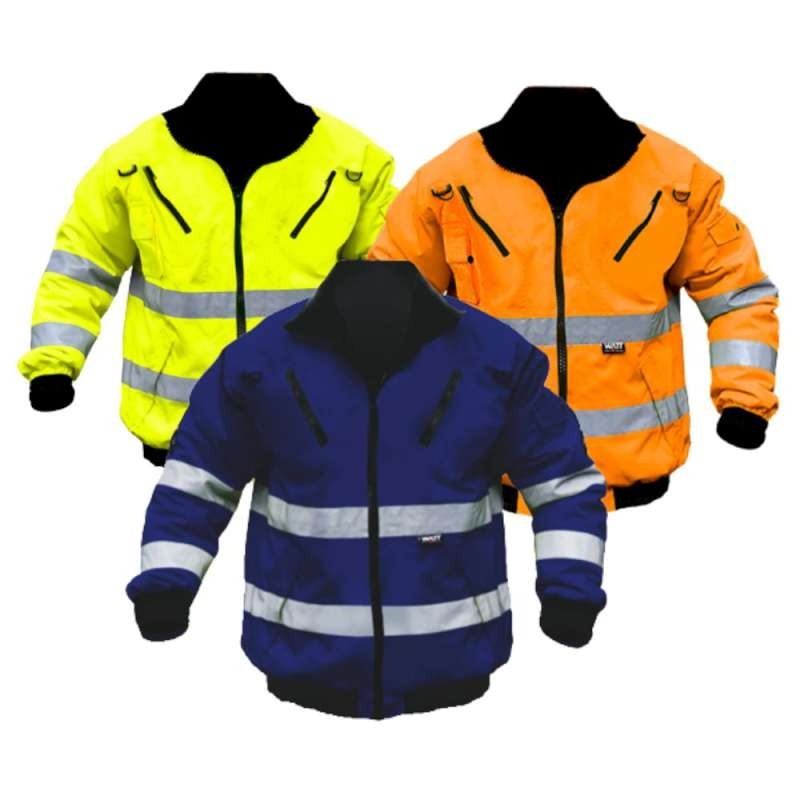
For teams that need warmth as well as conspicuity, a Bunny Jacket with Reflective Tape may be worth considering. Its published features include fleece lining and removable sleeves. Confirm the particular colour, size, visibility specifications and any certification needed for the task rather than assuming all versions are equivalent.
Rainwear for winter and year-round outdoor work
Wet-weather protection deserves its own line on a winter workwear buying list. Rain can be a major issue in some South African regions during winter, while other areas experience more rain in summer. The purchasing decision should reflect the location and exposure period, not just the calendar.
Pansula lists raincoats and rain suits in its range. Choose between them according to the tasks employees perform.
Raincoats: quick outer coverage
A raincoat can be practical for security teams, site visitors or employees who need an outer layer during wet shifts. Check that the coat covers the layers underneath, allows the worker to reach and move, and provides the appropriate protection for the expected rain.
Two-piece rain suits: jacket and trouser coverage
A two-piece rain suit provides a separate jacket and trousers, which may better suit workers who remain outside, handle deliveries or work where legs are also exposed to rain. Check waist adjustment, cuffs, the overlap between jacket and trousers, and whether water can enter through seams or openings during movement.
Water-resistant is not the same as waterproof
A water-resistant garment may manage some moisture, but prolonged or heavy rain can demand a different specification. For more demanding wet-weather roles, request information about the outer material, seam construction and any tested water-protection performance. A product described as weatherproof in marketing material should still be checked against the conditions on site.
If workers also need high visibility, check whether their rainwear has the required reflective features. A plain raincoat worn over a compliant visible garment can obscure the very details the employer intended to keep visible.
Reflective workwear for early starts and darker shifts
Winter can bring darker early mornings and evenings. Visibility may be especially important at loading areas, yards, gates, construction sites and any workplace where pedestrians share space with vehicles or mobile equipment.
Pansula’s reflective-wear range includes vests, jackets and other garment options. Reflective tape helps return directed light towards its source, but the presence of tape does not automatically establish an approved high-visibility garment classification.
Assess the finished winter outfit. Check the front, back and sides once the worker has put on a jacket, raincoat, vest or backpack. Make sure any required visible areas are not concealed and that the worker can move freely. Visibility clothing complements traffic management, lighting and safe operating procedures; it does not replace them.
For a more detailed explanation of vests, taped uniforms and night-shift requirements, read our reflective workwear buying guide.

Gloves, boots and headwear complete the winter uniform
Jackets receive most of the attention, but hands, feet and headwear can be just as important for employees exposed to the weather. Select these items according to the task rather than issuing the same accessories to everybody.
Gloves
Cold hands can make fine handling difficult. But a thick glove is not automatically suitable for handling tools, chemicals, sharp objects or heated materials. Select the glove type using the workplace hazards and product specifications. Check grip, dexterity, fit and whether the employee can safely use controls while wearing it.
Footwear and gumboots
Wet yards, muddy worksites and slippery surfaces may require different footwear from dry warehouse floors. Pansula publishes categories for safety boots, safety shoes and gumboots. Ask for the exact product features and any slip-resistance or safety specifications relevant to the job.
Water protection alone does not prove that a boot has the correct protective toe, sole or grip for a particular site. Boots should also fit properly with the socks workers will use during colder shifts.
Headwear and hoods
Beanies or suitable hats may add comfort where permitted. A jacket hood can help in wind and rain, but it must not obstruct the worker’s vision, hearing or required protective headwear. Where hard hats or other head protection are required, confirm that any winter accessory is compatible with the specified equipment.
Choose winter clothing by job role, not just department
Security and gate-control teams
Workers at entrances or outdoor posts may spend extended periods standing still. Prioritise adequate warmth, comfortable layering and reliable closures. If visibility is required near vehicle movements, ensure the chosen outer jacket or vest meets the site’s requirements. Consider how the uniform maintains staff identification.
Warehouses, loading bays and logistics yards
These employees may move frequently between warmer indoor spaces and colder outdoor yards. A layered system can support those changes. Keep movement, visibility and safe operation around loading equipment at the centre of the decision. Outerwear should not create loose fabric that could catch on machinery.
Construction and civil works
Outdoor crews may face wind, wet conditions, dust and changing levels of exertion. Rain suits, correctly specified visible clothing and practical layers may be needed, but the required PPE depends on each task and site risk assessment. See our construction workwear guide for broader site purchasing considerations.
Maintenance, facilities and municipal teams
Maintenance workers often switch between rooms, roofs, yards, roadside areas and service vehicles. A versatile clothing system should account for those changes and any tools or protective equipment being used. Separate weather protection from specialised task protection where appropriate.
Refrigerated and freezer facilities
These environments require attention to exposure duration, tasks, temperature and the employer’s controls. Specialist cold-environment garments may be appropriate. Request documented information about the exact jacket and complementary items rather than relying on a generic claim that a jacket is warm enough.
How to check sizing when jackets must fit over other clothes
Winter jackets can fit differently from ordinary shirts. Staff may need a mid-layer under the jacket, but simply ordering every jacket a size larger can create unnecessary bulk and introduce safety issues.
- Ask workers what they will actually wear underneath the outer layer.
- Use the product-specific size chart and, where practical, check a sample in the complete outfit.
- Test shoulder reach, bending, lifting and ordinary walking while all planned layers are worn.
- Confirm that cuffs, collars, zips and hoods fit without restricting vision or safe movement.
- Check the fit of any reflective vest, harness or other required equipment over the finished clothing system.
- Record sizes for jackets, trousers and footwear separately instead of assuming one size applies to every garment.
Use Pansula’s size charts as a starting point and confirm any product-specific fit differences when you request a quote.
Branding winter jackets without compromising their function
When employees cover their usual uniforms with coats, the outer layer becomes part of the company’s visible identity. Matching colours and selected branding can keep the team recognisable at gates, on site and during customer visits.
For eligible garments, ask Pansula about embroidery or printing options. Provide your logo artwork and preferred placement, then check whether the method is suitable for the fabric, lining, seams and care requirements. On protective or high-visibility garments, branding must not cover necessary reflective material or alter protective performance.
Never assume branding can be applied to every safety garment in the same way. Where a garment is supplied with a particular performance rating or certification, confirm that the proposed modification is compatible with the product requirements.
Care, inspection and replacement during winter
Even well-chosen winter workwear needs maintenance. Dirty reflective material, torn seams, damaged zips and worn coatings can undermine a garment’s usefulness. Employees should have a clear way to report defective clothing, and supervisors should check items in accordance with workplace procedures.
Follow the manufacturer’s washing and drying instructions. Avoid assuming that hot washing, strong chemicals or tumble drying are suitable for every jacket, taped garment or raincoat. Check garments after laundering and before reissue, particularly where continued protective performance is required.
Replace clothing when its condition means it no longer meets the role’s comfort, safety or appearance requirements. There is no universal number of washes or fixed replacement period for all winter garments.
Winter workwear bulk-buying checklist for South African businesses
A clear request for quotation makes it easier to compare suitable products and budget for all of the garments needed to equip a team.
- Work locations and roles: List outdoor, indoor, refrigerated, wet-weather and high-visibility duties separately.
- Exposure details: Specify expected temperature, rainfall, wind, shift times and length of exposure where known.
- Items required: State quantities for parka or fleece jackets, raincoats or rain suits, reflective garments, gloves, footwear and any other products.
- Fit and sizes: Provide size totals per product, noting which jackets must fit over other layers.
- Required standards: Share any specific safety, temperature, visibility or water-protection specifications and request the documentation for the exact items.
- Colours and branding: Supply colour preferences, logo artwork and proposed locations for embroidery or printing.
- Delivery and timing: Provide the site address, required date, number of delivery points and any planned phased orders.
- Repeat purchases: Ask about future size availability and whether replacement units can match the original selection.
Consider the entire issued outfit and expected replacement needs rather than compare jacket prices in isolation. The lowest individual garment price is not always the lowest-cost solution over the working season, especially if it does not meet the task requirements.
Frequently asked questions about winter workwear
What winter workwear should outdoor workers wear in South Africa?
That depends on climate, tasks, exposure and site requirements. A combination of suitable base clothing, insulation and weather protection may be useful. Some jobs also require documented high-visibility clothing, safety footwear or other PPE. The employer’s risk assessment should guide the final selection.
Is a parka jacket better than a fleece jacket?
They serve different purposes. A parka may provide a substantial outer layer for certain cold outdoor conditions, while a fleece is often useful as a lighter insulating garment. Compare the actual items for warmth, weather protection, fit and suitability instead of choosing by the name alone.
Can a fleece jacket be worn under a raincoat?
It may be a practical combination if the garments fit together correctly, allow safe movement and are suitable for the workplace. The rain layer should have the required weather performance, and the finished outfit must not hide necessary high-visibility details.
Are waterproof jackets and water-resistant jackets the same?
No. Water-resistant fabrics offer a level of resistance to moisture, while garments intended for sustained rain exposure need appropriate water-protection construction and specifications. Ask about seam design and any relevant tests before selecting outerwear for prolonged wet work.
Do all winter jackets count as PPE?
No. An ordinary coat or fleece may be work clothing without meeting a specific protective standard. Where PPE is required, confirm the exact garment’s performance against the risks and applicable requirements.
Should reflective clothing go over or under a winter jacket?
When a risk assessment requires a visible outer garment, the specified reflective or high-visibility features should not be concealed beneath a plain jacket. Select an appropriate outer layer or a suitable over-vest according to the site’s requirements and verify fit.
How do you size jackets for workers wearing several layers?
Use the product-specific size chart and test the intended layers together where possible. Check shoulder movement, sleeve length, closures and compatibility with other equipment. Automatically sizing up for every person is not a reliable approach.
Does Pansula supply jackets, rainwear and reflective clothing in bulk?
Pansula’s published range includes jackets, rainwear, reflective clothing, gloves, footwear and other workwear categories. Browse the current shop or request a product-specific quote with quantities, sizes, colours, safety requirements and delivery details. Confirm stock and lead times when ordering.
Request a winter workwear and PPE quotation from Pansula
Whether you are equipping security officers, warehouse staff, construction crews or multiple business sites, Pansula Workwear can discuss available winter garment options against your requirements. Send the team size, job roles, expected exposure, preferred items and delivery information so the quote can reflect what your employees actually need.
Prepare your workforce for the next cold season. Request a quote for winter jackets, rainwear, suitable reflective garments and complementary workwear in the sizes your team needs.
Request a Winter Workwear Quote
Safety note: This article provides general purchasing guidance, not a product certification or a substitute for the employer’s workplace risk assessment. Confirm protective performance, compatibility and applicable standards for each specified garment before use.
