Workwear
Construction Workwear in South Africa: A Site Buying Guide
Construction workwear in South Africa should be chosen for the job, the site and the people wearing it. A general labourer, machine operator and electrician might work on the same building project, but they may have very different clothing and protective equipment requirements. Ordering one generic overall for every worker can create problems with fit, durability, visibility and suitability.
Pansula Workwear manufactures selected workwear garments and supplies a wider range of workwear and related PPE. This guide helps South African contractors, builders, subcontractors and procurement teams plan site uniforms, compare garment options and prepare a clearer bulk quotation request.
Important distinction: everyday construction uniforms and specialised personal protective equipment (PPE) are not automatically the same thing. The protective requirements for each task must come from the site’s risk assessment and be supported by information about the exact products selected.
What should construction workwear include?
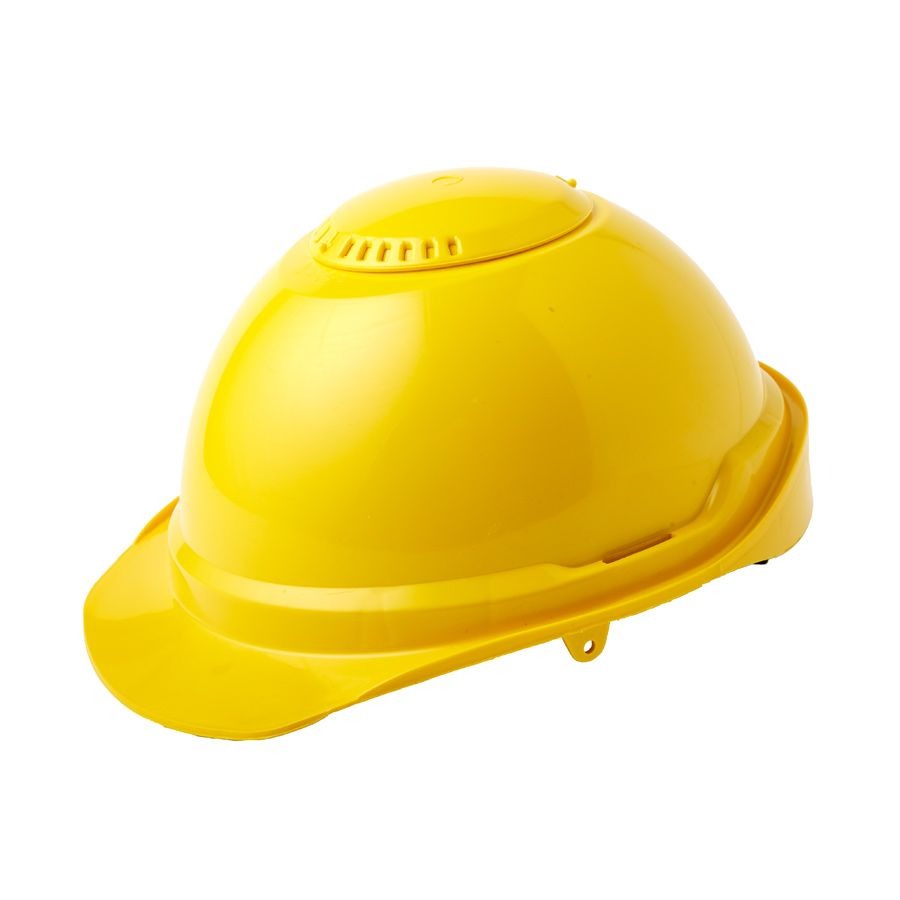
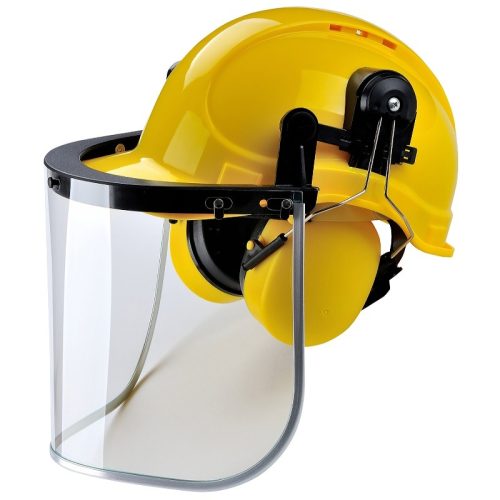
Construction workwear covers the clothing people use while building, renovating, maintaining or working around construction projects. It may include two-piece Conti suits, one-piece boiler suits, reflective garments, jackets, rainwear and suitable footwear. Depending on the hazard assessment, a worker may also need a helmet, gloves, eye or hearing protection, respiratory protection or other purpose-specific equipment.
The right combination depends on the work. Basic clothing can help keep personal clothes clean and provide a consistent uniform, but an ordinary overall is not automatically suitable for hot work, electrical hazards, chemical contact or other specialised exposure. The suitability and limitations of specialist equipment must be checked individually.
For an overview of general protective clothing selection, see our safety workwear buying guide. This article focuses specifically on putting together workwear requirements for construction sites.
Start with the construction-site risk assessment
Before choosing a product or comparing quotations, identify what each employee does and the conditions in which they work. South Africa’s Construction Regulations, 2014 include requirements for construction risk assessments and appropriate health and safety planning. Regulation 9 addresses risk assessments by a competent person, including identifying hazards, considering controls and reviewing the risks as work progresses.
Clothing and PPE decisions should follow those site requirements. Protective equipment is one part of a broader safety system; it does not replace suitable equipment, safe work procedures, training or other necessary controls.
Consider these practical questions before you order:
- Will workers spend most of the shift inside, outdoors, in excavations or around moving vehicles?
- Is high visibility required, and under what lighting or traffic conditions?
- Are workers exposed to sparks, heat, chemicals or other hazards that call for specialist garments?
- Will a jacket or rain suit cover reflective details on the regular uniform?
- Does the work require frequent bending, reaching, kneeling, climbing or movement near machinery?
- What protective standards and product documents are specified by the safety officer or client?
Match the workwear to the construction role
A role-based uniform list is often more useful than a single line reading “workwear for 100 staff”. The examples below are a starting point for procurement, not a substitute for the actual site risk assessment.
| Team or role | Useful buying considerations | What to verify |
|---|---|---|
| General labour and building crews | Practical Conti suits or other uniforms, comfortable movement, appropriate footwear and weather layers | Fabric and seam quality, fit, laundering and any task-specific PPE |
| Plant operators and vehicle marshals | Garments and outerwear that support the site’s visibility requirements | Required visibility performance, placement of reflective elements and visibility with outer layers |
| Supervisors, visitors and site managers | Identifiable, comfortable clothing suited to the areas they enter | Minimum site-entry PPE requirements and whether ordinary clothing is permitted |
| Maintenance and engineering trades | Workwear with secure closures, suitable coverage and movement for tools and tasks | Whether specialist flame, electrical, chemical or other protection is required |
| Outdoor, road and civil works teams | Visibility, weather protection, hard-wearing garments and suitable footwear | Traffic exposure, rainwear compatibility, temperature and ground conditions |
Where two teams require different technical specifications, keep their uniforms as separate items on the purchase order, even if the colours look the same.
Construction workwear styles to compare
Two-piece Conti suits for everyday site uniforms
A two-piece Conti suit normally consists of a matching jacket and trousers. This familiar South African workwear format can be a practical starting point for contractors who need standardised clothing for several employees. Pansula lists Conti suit options in Econo, 80/20 poly-cotton, 65/35 poly-cotton, denim and J54 cotton ranges, along with selected taped and specialist variants.
Compare the specific model rather than relying on a fabric label alone. The 65/35 poly-cotton Conti suit, for example, has published jacket and trouser descriptions covering closures, pockets, reinforced stitching and size options. These details can help purchasing teams decide whether the garment suits daily tasks.
Our separate industrial and construction Conti suit guide goes deeper into how to compare individual suits. Use that guide when your main purchasing decision is between Conti suit styles.
Boiler suits where a one-piece garment suits the task
One-piece boiler suits provide a different fit and coverage arrangement from a jacket-and-trouser set. Some site roles may prefer a single garment, while others need the flexibility of separate pieces. Review the actual design, closures, pocket positions and movement requirements before selecting a model.
Do not assume that a one-piece garment automatically provides better hazard protection. As with Conti suits, any specialist protective performance must be confirmed for the exact style and intended use. Pansula’s workwear and PPE catalogue includes boiler suit options for comparison.
Reflective workwear for visibility-related risks
Work around moving vehicles, plant equipment, traffic and reduced lighting may call for particular high-visibility clothing. Pansula lists selected Conti suits with reflective tape and other reflective garments. Its online shop also lists the Pansula Integrated Reflective Worksuit 80/20 among its workwear products.
Reflective strips are a product feature, but reflective tape alone is not evidence that the entire garment meets a required high-visibility standard. Ask which specification applies to your work environment and request supporting information for the actual product. Check whether the reflective areas remain visible when the worker bends, wears tools or puts on another garment.
If rainwear or a winter jacket will be worn over the normal uniform, consider the visibility of the outermost layer as well. Review the current options in the Pansula product catalogue and confirm the appropriate garment specification before ordering.
Safety footwear and gloves
Construction sites may require footwear suited to particular ground conditions, impacts, punctures, wet surfaces or other identified hazards. The appropriate choice depends on the safety specification and the worker’s task. A shoe that looks like a safety boot may not provide the same protection as another model.
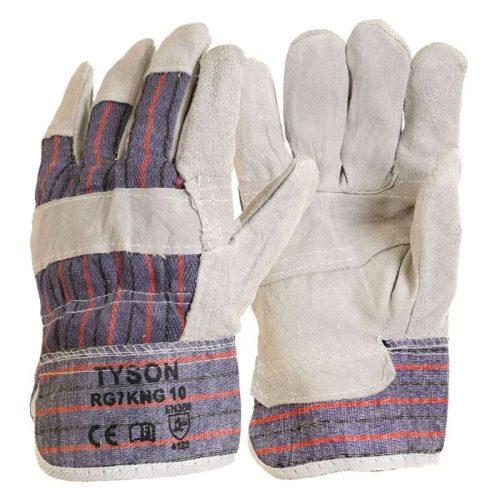
Similarly, gloves should be selected for the work being done. Handling rough materials, exposure to sharp edges and tasks involving specialist hazards can require different protection. Request the relevant protective specifications; do not treat all gloves or boots as interchangeable.
Pansula lists footwear, gloves and other PPE-related products. Provide the intended task and any required standard in your quote request so the correct product can be identified.
Rainwear, jackets and outdoor layers
Outdoor building projects can face rain, cold mornings, wind and changing temperatures. Construction workwear should be considered as a complete outfit rather than as a jacket or overall in isolation. Suitable rainwear and cold-weather layers can support comfort and help employees remain prepared for outdoor shifts.
When choosing layers, check that movement is not restricted, fasteners and pockets remain accessible, and protective features are not concealed. Confirm whether the proposed garments are designed for the anticipated wet-weather conditions rather than assuming every jacket is waterproof.
How to compare construction workwear fabrics
A product’s fabric blend is a useful starting point, but it does not explain everything about comfort, durability, washing performance or protective properties. Compare the actual garment rather than assuming the most expensive or heaviest option is necessarily the right one.
80/20 and 65/35 poly-cotton
Pansula lists multiple poly-cotton workwear products, including 80/20 and 65/35 variants. Ask for the specific material composition, fabric weight, washing instructions and product construction. Consider how often the workers will wear and wash the clothing, and whether the style allows the movements required on site.
Denim and J54 cotton
Denim and J54 100% cotton options are also listed within Pansula’s Conti suit range. These offer different fabric choices for buyers to assess against practical needs and purchasing preferences. However, cotton content, denim fabric or garment thickness does not automatically establish flame or chemical protection.
Specialist D59 and other protective clothing
Some projects include hot work or other tasks for which ordinary workwear is unsuitable. Pansula’s online range includes specific D59-labelled products, including a SABS D59-labelled flame-retardant Conti suit. Such products should be assessed using their exact documentation, intended protective performance and limitations.
Do not substitute a standard cotton or poly-cotton overall for specialist clothing because the two products look similar. Your safety representative should review the applicable specification and evidence for the item before approval.
A practical construction-workwear buying checklist
Before comparing suppliers, create a clear specification that everyone quoting can follow.
- List every role. Separate labourers, equipment operators, supervisors, maintenance trades and site visitors where their clothing requirements differ.
- Record the hazards. Identify visibility, weather and any specialist PPE requirements according to the site’s approved risk assessment.
- Choose the garment style. State whether you need two-piece Conti suits, boiler suits or another defined item.
- Compare construction. Check fabric, stitching, pockets, closures, fit and care instructions for the specific product.
- Confirm technical documents. Request standards, product information or test documents where protective performance is required.
- Prepare a size breakdown. Use Pansula’s size charts as a reference and confirm sizing for the exact garment ordered.
- Decide on colours and branding. Record any logo placement and check that additions will not affect the garment’s protective function.
- Confirm supply details. Request a written quotation covering quantities, availability, delivery location and lead time.
Getting construction workwear sizes right
Bulk orders become more complicated when everyone is assigned a generic size. Employees may need different jacket and trouser measurements, and size scales can vary between brands and garment styles. Prepare an accurate list for each selected product, with the required quantities by size.
For example, if a team needs Conti suits, separate the jacket and trouser sizes where the chosen product allows those options. Confirm colours and any special fit requirements at the same time. For larger projects, ask about obtaining suitable samples or an approval process before committing to the full order.
A reliable size record is also useful when new staff join a project or when uniforms need replacing. Keeping the approved garment name, fabric and colour on file makes repeat orders easier to specify.
Branding construction uniforms without compromising their purpose
Company logos can make contractors and subcontractors easier to identify on a busy site. Embroidery or printing may be possible on selected garments, but the branding method and placement should be assessed alongside the workwear’s intended use.
Protective garments should not be altered in a way that interferes with reflective elements, protective materials or other relevant features. If branding is required, provide your artwork, preferred location, colours and quantities, and request confirmation that the proposed method is suitable for the specific garment.
For more on branding methods and company presentation, read our custom-branded workwear guide.
Ordering construction workwear in bulk for one or several sites
Clear order information helps suppliers identify products accurately and reduces the risk of quoting a similar-looking item with a different specification. For construction companies with multiple projects, break the requirement down by site and team.
Include the following when requesting a quote:
- Company name, contact person, telephone number and email address.
- Project location or separate delivery destinations.
- Garment type and product links or names, including the required fabric and colour.
- Quantities by individual size and, where relevant, separate jacket and trouser sizes.
- Any required reflective, weather-related or specialist protective specifications.
- Branding artwork, preferred method and logo placement, if applicable.
- Required delivery date, along with any documentation requested by the project or tender.
Ask the supplier to confirm which items are available, which require production or personalisation, and what delivery arrangements apply. If workwear is going to neighbouring African countries, provide the destination so availability, transport and documentation can be considered for that specific enquiry.
When comparing quotations, examine the exact item, quantity, specification and inclusions rather than the total price alone. Check whether branding, delivery and applicable taxes are included, and keep a record of the approved products for future orders.
Care, inspections and replacement planning
Even suitable workwear needs regular inspection. Damaged seams, broken fasteners, worn fabric or deteriorated reflective details may mean a garment needs repair or replacement. Protective products can also have specific cleaning and service-life restrictions that must be followed.
Make it easy for workers to report damage and for supervisors to identify garments that should be taken out of service. Follow the product’s care instructions, especially where protective characteristics could be affected by laundering or alteration. A reserve of correctly sized replacement garments can help teams maintain their agreed uniform standard.
Frequently asked questions about construction workwear in South Africa
What construction workwear should a general labourer wear?
Start with the site’s risk assessment and uniform rules. Depending on the tasks, general labourers may use a suitable Conti suit or other workwear with additional footwear, gloves, visibility clothing or other PPE. There is no single outfit that can be assumed correct for every construction worker.
Are Conti suits the same as certified PPE?
Not necessarily. Many Conti suits are ordinary work uniforms. Some particular products may be designed for specified protective uses. If the site requires certified performance, obtain the documentation for the exact garment and have it assessed against the site requirements.
Do all construction workers need reflective uniforms?
Visibility requirements depend on exposure to traffic, moving equipment, lighting and other site risks. Some roles may require specifically documented high-visibility garments. Reflective tape on an ordinary overall should not be treated as proof that every relevant standard has been met.
Which is better for construction: an 80/20 or 65/35 Conti suit?
Neither blend is automatically better in all circumstances. Compare the selected garment’s specification, fit, laundering needs, durability and cost against how it will actually be used. For specialised hazards, confirm the required protective performance separately.
Can construction uniforms be embroidered with our logo?
Branding is available for suitable workwear styles, subject to the design and quantities required. Ask for confirmation of the method and placement, particularly on garments with reflective or specialist protective features.
How do we choose the correct sizes for a large construction crew?
Collect a size breakdown for every garment, use the appropriate product-specific size information and clarify any differences between jacket and trouser sizing. For high-volume orders, a sample or fit approval process can help reduce mistakes.
Does a supplier guarantee that every item complies with site regulations?
No blanket assumption should be made. Site requirements depend on the work and the identified hazards. Request product-specific information, including applicable standards and evidence where necessary, and have the responsible safety professional verify suitability.
What information does Pansula need for a bulk quote?
Send the items or product links, tasks and required protective specifications, colours, quantities by size, branding details, delivery locations and required date. Pansula can then advise on the requested styles and prepare a quotation based on those details.
Request a construction workwear quotation
Whether you are outfitting a small building crew, replacing uniforms for an established contractor or supplying teams across multiple projects, a well-prepared garment schedule makes it easier to compare the right products.
Explore Pansula’s workwear and PPE range, review available options in the online shop and include your site’s actual specifications when asking for a price.
Need construction workwear for a team? Send Pansula Workwear your product list, quantities, size breakdown and delivery details to request a product-specific bulk quotation.
Request a Construction Workwear Quote
Safety note: This article provides general product-selection guidance. It does not replace a construction risk assessment or certify any item of PPE. Protective suitability must be checked against the site’s requirements and documentation for the exact product.
