
Workwear
Industrial Workwear in South Africa: A Bulk Buying Guide
Buying industrial workwear in South Africa is easier when you start with the work your team does, not a generic uniform. A fitter in a workshop, a production employee in a factory and a warehouse worker on a loading bay may all need durable clothing, but their movement, conditions and protective requirements can differ considerably.
Pansula Workwear manufactures selected workwear garments and supplies a wider range of uniforms and related PPE. This guide is designed for procurement managers, business owners and operations teams comparing industrial clothing for everyday use, planning a bulk order or standardising uniforms across multiple departments.
What is industrial workwear?
Industrial workwear is clothing intended for jobs in factories, workshops, maintenance operations, warehouses, engineering facilities and other demanding working environments. It may include two-piece Conti suits, one-piece boiler suits, dust coats, reflective garments, jackets and suitable footwear.
The common requirements are practical fit, reasonable durability, ease of care and features suited to daily tasks. However, there is an important distinction between industrial uniforms and certified personal protective equipment (PPE). A standard overall is not automatically flame-resistant, chemical-resistant or suitable for electrical hazards. Those applications require a product with an appropriate specification and evidence for the particular risk.
For workplaces with identified hazards, South Africa’s Occupational Health and Safety Act provides a wider framework for preventing and controlling risks. Protective clothing is one part of the employer’s safety system, not a substitute for eliminating hazards or introducing safer working methods.
How different industrial teams use workwear
A useful uniform specification separates staff by role. Rather than buying one outfit for every employee, consider what each team encounters during a normal shift.
| Team or environment | Common clothing considerations | Questions for the buyer |
|---|---|---|
| Manufacturing and assembly | Comfortable workwear for repetitive tasks, secure closures and practical pockets | Could loose sleeves, pockets or other details interfere with machinery? |
| Maintenance and engineering | Conti suits or boiler suits, movement around tools, inspection-friendly garments | Does the work involve heat, sparks, chemicals or another hazard requiring specialist protection? |
| Warehousing and logistics | Easy movement, clear team identification and additional visibility where needed | Are employees working near forklifts or vehicles, and what visibility specification applies? |
| Field service and outdoor operations | Durable uniforms with appropriate rainwear or cold-weather layers | Will additional jackets or rainwear hide required reflective features? |
| Food-production support areas | Garments suited to workplace hygiene and laundering requirements | What garment policy and documented hygiene requirements apply in the facility? |
This is a starting point for uniform planning. Final protective requirements must be determined through the actual workplace risk assessment.
Industrial workwear styles: what should you compare?
Two-piece Conti suits for everyday industrial teams
A two-piece Conti suit normally consists of a jacket and trousers. It is a familiar uniform choice across South African workshops, production areas and maintenance operations. Depending on the model, features may include a concealed zip, chest and hip pockets, an elasticated trouser waistband, belt loops and reinforcing stitches at stress points.
Pansula lists several Conti suit styles, including Econo, 80/20 and 65/35 poly-cotton variants, denim and J54 cotton options. Some have reflective tape, while selected D59 products are listed separately for specialist applications. These are different products: check the exact model instead of assuming one specification applies to the entire category.
For example, Pansula’s 65/35 Conti suit product page describes separate jacket and trouser features, including pockets, closures and reinforced construction. That kind of product-specific detail is more useful for comparing quotes than a generic description such as “heavy-duty overall”.
One-piece boiler suits for suitable work environments
A boiler suit is a one-piece garment that can provide a continuous work-uniform layer across the upper and lower body. Some teams prefer this format for certain workshop or maintenance activities, while others find two-piece suits more convenient for their work routines.
Pansula’s boiler suit range lists 80/20 poly-cotton and Econo products, J54 cotton options and selected taped or D59 variants. Check the actual closures, pocket arrangements, fabric, sizing, access requirements and protective specifications for the style you choose.
Practical tip: ask employees to test movements such as bending, reaching, kneeling and climbing where those activities form part of the job. A one-piece garment needs enough room to move without leaving excessive loose fabric around equipment.
Dust coats and lighter-duty factory garments
Not every industrial role requires the same garment weight or full-body coverage. Supervisors, stores teams, light assembly staff and certain indoor roles may use dust coats or other workplace uniforms where appropriate. These can support a consistent appearance and help separate work clothing from personal clothing.
The garment still needs to suit the actual work. If an employee works near moving machinery or other hazards, a general-purpose dust coat should not be assumed safe without checking the site requirements. Browse Pansula’s workwear range to compare available styles.
Reflective workwear and visibility layers
Warehouses, dispatch yards, transport facilities and night operations may have specific visibility needs. Pansula lists Conti suits with reflective tape, reflective garments and the Pansula Integrated Reflective Worksuit 80/20 in its online shop.
When evaluating these products, ask where the reflective material is positioned and what performance the exact garment is documented to provide. Reflective tape alone does not prove that a work uniform meets every high-visibility PPE standard. A jacket worn over a reflective uniform can also change the worker’s visibility, so consider the full outfit.
Browse the Pansula online catalogue for available reflective workwear and obtain a quotation for the selected product.
Footwear, gloves and weather protection
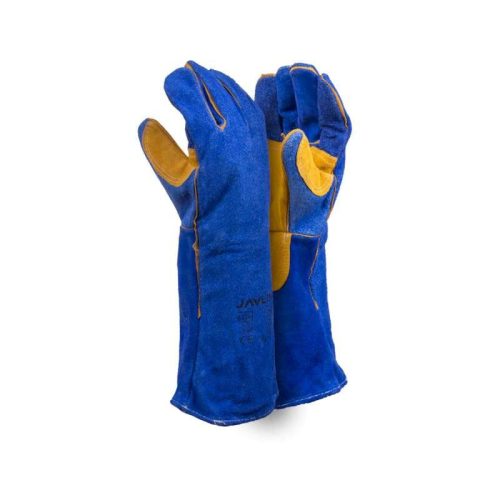
Industrial uniform purchasing often extends beyond jackets and trousers. Depending on their tasks, teams may also need safety boots or shoes, suitable gloves, rainwear and jackets. Different footwear and gloves have different performance characteristics; a general item should not be used in place of hazard-specific equipment without verifying its suitability.
For outdoor employees, check how rainwear and winter layers work with the base uniform. If high visibility is necessary, make sure the outermost layer is suitable for the working conditions and relevant site rules.
How to compare industrial workwear fabrics
Fabric choice influences feel, garment care and how a uniform performs in day-to-day use. There is no one blend that is automatically best for every department. Ask for the actual composition and weight of each product before making a decision.
80/20 and 65/35 poly-cotton
Pansula lists different poly-cotton Conti suit and boiler suit options, including 80/20 and 65/35 products. Those names are useful when identifying a range, but procurement teams should still confirm the exact material, weight, construction and care instructions of the selected garment.
Compare the balance of comfort, laundering requirements, colour consistency and anticipated wear. A lower initial cost is not always the lowest cost per use, particularly if the garment needs frequent replacement.
J54 100% cotton and denim
Pansula also lists J54 100% cotton and denim Conti suit variants. These offer additional options where buyers have a particular fabric preference or operating requirement. Review shrinkage allowances, care instructions, garment weight, cut and any relevant site restrictions.
Do not assume that a cotton garment is inherently flame-resistant or that a heavy fabric provides chemical protection. Suitability for specialist hazards depends on the finished garment and its documented performance.
Specialist D59 and protective garments
Some industrial sites require clothing for identified flame, heat or chemical risks. Pansula’s catalogue includes specialist D59-labelled products, but the buyer should obtain documentation for the exact garment, version and intended use. Confirm the applicable standard, what the product has been tested for, the limitations of protection and the prescribed maintenance instructions.
If a tender specifies certification, do not rely on the product name, a photograph or a broad company statement as proof. Ask the supplier for the supporting product documents and have your responsible safety team verify them before placing an order.
The seven checks that matter before a bulk order
1. Write a specification by job role
List each department, its everyday activities, working environment and required garments. Separate ordinary uniform needs from protective performance requirements. This prevents over-ordering one style while leaving more specialised teams without suitable clothing.
2. Compare features, not only the product name
Look at zips and fastenings, pocket placement, seam construction, reinforced areas, sleeve and trouser lengths, garment coverage and compatibility with other equipment. A good specification should describe the items your workers actually need, not just “blue overalls”.
3. Prepare an accurate size schedule
Collect the number of units needed in each size, and confirm whether jackets and trousers can be selected separately for the product concerned. Pansula publishes size charts, but garment styles can differ. Ask for clarification or arrange an appropriate fitting process for orders where sizing errors would be costly.
4. Confirm colours and identification
Consistent colours can help employees and supervisors identify teams. For businesses with multiple departments, a shared visual identity can be maintained while allowing different garment designs where the work demands it. Agree on the product code, colour and any branding positions before approval.
5. Review branding requirements
Embroidery or printing may be suitable for selected uniforms. Send your logo artwork, preferred placement and the quantity to be branded. If the garment has a protective function, any alteration must first be checked for its effect on that performance. For broader uniform-branding considerations, see our custom-branded workwear guide.
6. Confirm price, availability and delivery
Request a quote for the precise styles, sizes and quantities required. Check whether delivery, branding and any relevant additional charges are included. Ask the sales team to confirm availability, production requirements and realistic timing for your destination rather than relying on an assumed lead time.
7. Plan replacements and repeat orders
Uniform programmes run better when the first order creates a reliable reference for future purchases. Keep the approved product name or code, fabric, colour, size breakdown and branding details on record. Agree on how damaged or incorrectly sized items will be handled and review employee feedback after the first issue.
Workwear for one site or multiple South African locations
A single factory may be able to manage a simple uniform list. Businesses operating across plants, warehouses, depots or service teams need a more structured approach. Standardise the details that matter, but allow differences where employees perform different tasks.
For example, your production team may use one Conti suit style, warehouse staff may require an additional visibility layer, and maintenance employees may need a separately approved garment specification. Keeping these groups distinct helps prevent substitutions that look similar but may not meet the actual requirement.
If your business operates outside Gauteng or has teams in neighbouring African countries, provide the required delivery towns or destination countries at quotation stage. Pansula can then confirm which ordering, transport and documentation options are available for your specific enquiry.
Frequently asked questions about industrial workwear in South Africa
What is the difference between a Conti suit and a boiler suit?
A Conti suit is typically a two-piece jacket-and-trouser uniform, while a boiler suit is a one-piece garment. Both are available in several materials and configurations. The better option depends on the worker’s tasks, fit, coverage and site requirements.
Is industrial workwear always classified as PPE?
No. Some industrial garments are everyday uniforms. Others are designed and documented to provide protection against particular hazards. If your workplace requires specific protective performance, check the exact garment’s documentation before selecting it.
Which is better: 80/20 or 65/35 poly-cotton?
Neither is automatically better for every workplace. Compare the specific product’s material, construction, washing instructions, comfort, budget and expected use. Ask for the current specification if a particular blend is required by your business.
Can we order different industrial uniforms for different departments?
Yes. A role-based approach often makes more sense than using the same garment throughout a mixed operation. Include a separate list of products, quantities and sizes for each department in your quotation request.
Does reflective tape mean an overall meets a high-visibility standard?
No. Reflective detail is a feature, but a compliant high-visibility garment depends on its full design and documented performance. State the required visibility standard and ask for evidence covering the item you intend to purchase.
Can we have company logos added to industrial uniforms?
Branding may be available on suitable styles. Send the logo artwork, position and required quantities, and ask for confirmation of the proposed method. Specialist protective garments need additional checks before alteration.
Does Pansula Workwear manufacture and supply industrial clothing?
Pansula manufactures selected workwear garments and supplies a broader workwear and PPE range. If your order requires South African manufacture, a particular fabric, or certification for the exact style, include that requirement so it can be confirmed during quotation.
What should we include in a request for a bulk quote?
Send your company name, contact details, item names or links, intended use, quantities by size, colours, branding requirements, applicable technical specifications, delivery destination and requested date. A detailed enquiry helps suppliers quote the same requirements consistently.
Request industrial workwear for your team
Whether you need standard Conti suits for a workshop, boiler suits for maintenance staff or a coordinated mix of garments for a larger operation, start by identifying the workwear your employees need and the product specifications that matter.
Browse the Pansula Workwear PPE range or the full online catalogue, then request a quotation showing your sizes, quantities, colours, branding and delivery details.
Outfitting an industrial workforce? Send your team requirements to Pansula Workwear and ask for a product-specific bulk quotation.
Request an Industrial Workwear Quote
Safety note: The appropriate PPE for a task must be chosen using the workplace risk assessment and evidence for the specific product. This article provides general buying guidance and does not certify or approve individual garments.
