
Workwear
Pansula Workwear Workwear Layering That Stays Warm
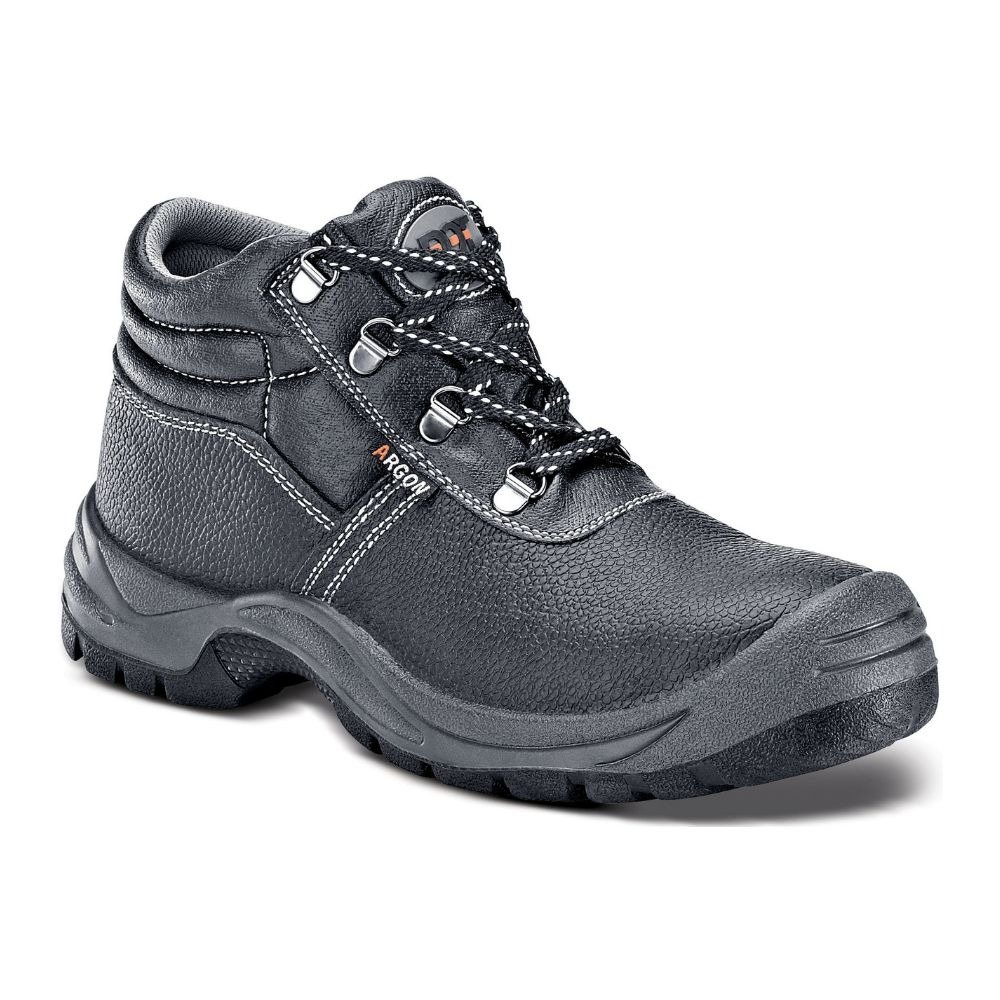
Working in cold conditions isn’t just about putting on a thick jacket. The way you layer your clothing has a direct impact on warmth, comfort, and how well you can move throughout the day. Workwear layering is what keeps your body temperature steady without slowing you down.
Whether you’re on a construction site, in a yard, or handling early morning shifts, using the right combination of layers helps manage cold, moisture, and long working hours. With the right setup, you stay warm without feeling restricted or overheated.
The 3-Layer Method for Workwear Layering
The most effective approach to workwear layering is the three-layer method. Each layer has a specific job that supports comfort and performance.
The first layer sits against your skin. Thermal base layers are designed to manage moisture by pulling sweat away from your body. This keeps you dry, which is essential in cold conditions.
The second layer provides insulation. This layer traps body heat and helps maintain warmth. It can be a fleece or another insulating garment depending on how cold your working environment is.
The outer layer protects you from the elements. This includes wind, rain, and general exposure. A good outer layer should be durable and suited to your job conditions.
When these three layers work together, you get a system that keeps you warm, dry, and comfortable throughout your shift.
Avoid Bulky Layers That Restrict Movement
One of the biggest mistakes with workwear layering is adding too many thick layers. While it might seem like more layers mean more warmth, bulky clothing can limit movement and reduce efficiency.
Heavy layering can make it harder to bend, lift, or handle tools. It can also lead to overheating once you start moving, which then creates sweat and discomfort.
Instead, focus on using lighter, purpose-built layers that work together. Thermal base layers and properly fitted outerwear provide warmth without adding unnecessary bulk.
The goal is to stay warm while still being able to move freely. This balance is especially important in jobs that require constant physical activity.
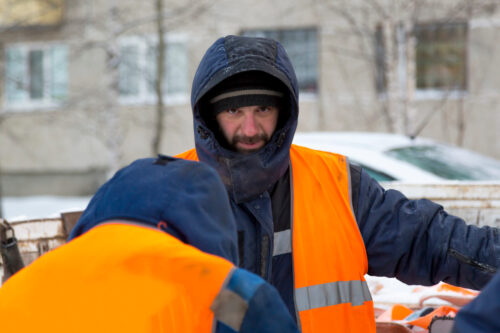
Sweat Management in Winter PPE Layering
Sweat is one of the biggest challenges when working in cold conditions. Even in winter, physical work generates heat, and without proper layering, that heat turns into moisture.
When sweat stays on your skin, it cools down quickly and can make you feel colder than before. This is why thermal base layers are essential. They help move moisture away from your body, keeping you dry.
Breathable outer layers also play a role. They allow heat and moisture to escape while still protecting you from wind and rain.
Managing sweat properly is key to staying comfortable during long shifts. It helps prevent sudden drops in body temperature and keeps you focused on your work.
Workwear Layering for Different Job Types
Different jobs require different approaches to workwear layering. The level of activity and exposure to the elements will affect what you need.
For high-movement jobs like construction or warehouse work, lighter layers are often better. These allow for flexibility and help prevent overheating during physical tasks.
For low-movement roles, such as security or night shift monitoring, more insulation may be needed. In these cases, thicker mid-layers help maintain warmth during long periods of standing still.
Outdoor jobs exposed to wind and rain require a strong outer layer. Waterproof or water-resistant jackets help protect against changing weather conditions.
By adjusting your layers based on the job, you can maintain both comfort and performance throughout the day.
If you want to explore suitable options, browsing the Catalogue and relevant winter categories can help you find the right combination of gear.
Team Buying Checklist for Workwear Layering
When buying workwear layering for a team, it’s important to think beyond individual preferences. The goal is to ensure everyone is properly equipped for the conditions they face.
Start by assessing the work environment. Consider temperature, exposure to weather, and the level of physical activity required.
Choose thermal base layers that suit all-day wear. Comfort and moisture control should be a priority.
Select outer layers that provide the right level of protection. This includes resistance to wind and rain, as well as durability for daily use.
Make sure sizing allows for proper layering. Workers should be able to wear multiple layers without feeling restricted.
Review the full Catalogue to compare options and ensure consistency across your team’s workwear.

Frequently Asked Questions About Workwear Layering
What is the purpose of workwear layering in winter?
Workwear layering helps regulate body temperature by combining different types of clothing that each serve a specific function. It keeps you warm while also managing moisture and allowing movement. This approach is more effective than wearing a single heavy garment, especially in changing weather conditions.
Are thermal base layers necessary for cold outdoor work?
Thermal base layers play a key role in keeping you dry and comfortable. They help move sweat away from your skin, which prevents the body from cooling down too quickly. Without them, moisture can build up and make cold conditions feel even harsher during long shifts.
How do I avoid overheating while wearing multiple layers?
Choosing breathable materials and avoiding overly thick layers can help prevent overheating. The three-layer method allows you to adjust your clothing based on your activity level. Removing or adjusting a layer when needed helps maintain a comfortable temperature throughout the day.
Can workwear layering improve movement on site?
Yes, when done correctly. Using lightweight, well-fitted layers allows for better flexibility compared to wearing one bulky jacket. This makes it easier to perform tasks that require bending, lifting, or constant movement.
How do I choose the right workwear layering system for my team?
Start by understanding the working conditions your team faces. Consider temperature, weather exposure, and job type. Then choose layers that balance warmth, durability, and comfort. Ensuring proper fit and consistency across the team also helps improve overall performance and safety.
Get Pansula Workwear Workwear Layering That Stays Warm
The right approach to workwear layering makes a clear difference in cold conditions. From thermal base layers to protective outerwear, each layer plays a role in keeping you comfortable and ready for the job.
Explore the available winter options and build a layering system that suits your work environment. Visit the Contact page to learn more or take the next step in improving your team’s cold weather gear.
