
Industrial Workwear Uniforms in Gauteng and PTA: Reflective Wear, Rain Wear, Jackets, and Workwear Uniforms That Hold Up
If you’re sourcing industrial workwear uniforms in Gauteng or PTA, you’re not just buying clothing. You’re setting your team up for safer workdays, fewer interruptions, and a more consistent standard on site. Industrial environments put pressure on workwear fast, from abrasion and heavy movement to weather exposure and long shifts. The right workwear uniforms reduce replacements, support compliance, and help crews stay comfortable while they work.
Pansula Workwear supports businesses that need durable workwear uniforms built for real industrial conditions. From Reflective Wear and Rain Wear to practical Jackets for colder starts and outdoor work, the goal is simple: supply consistent workwear ranges that perform daily, look professional, and are easy to reorder for growing teams.
Why industrial workwear uniforms matter in Gauteng and PTA industries
Gauteng and Pretoria-based operations often include logistics hubs, warehouses, manufacturing floors, construction sites, and service teams moving between locations. These environments demand workwear that can handle repeated use without losing fit, shape, or protection.
Industrial workwear uniforms support safer routines by keeping teams properly equipped and easier to identify. They also help supervisors enforce standards, because the correct gear is available and consistent across roles. When staff have workwear that fits properly and matches the job environment, they’re more likely to wear it correctly throughout the shift.
Industrial workwear also protects productivity. If crews are constantly dealing with torn seams, worn jackets, or rain gear that leaks, work slows down. Strong uniforms reduce those distractions and keep teams focused on the job.
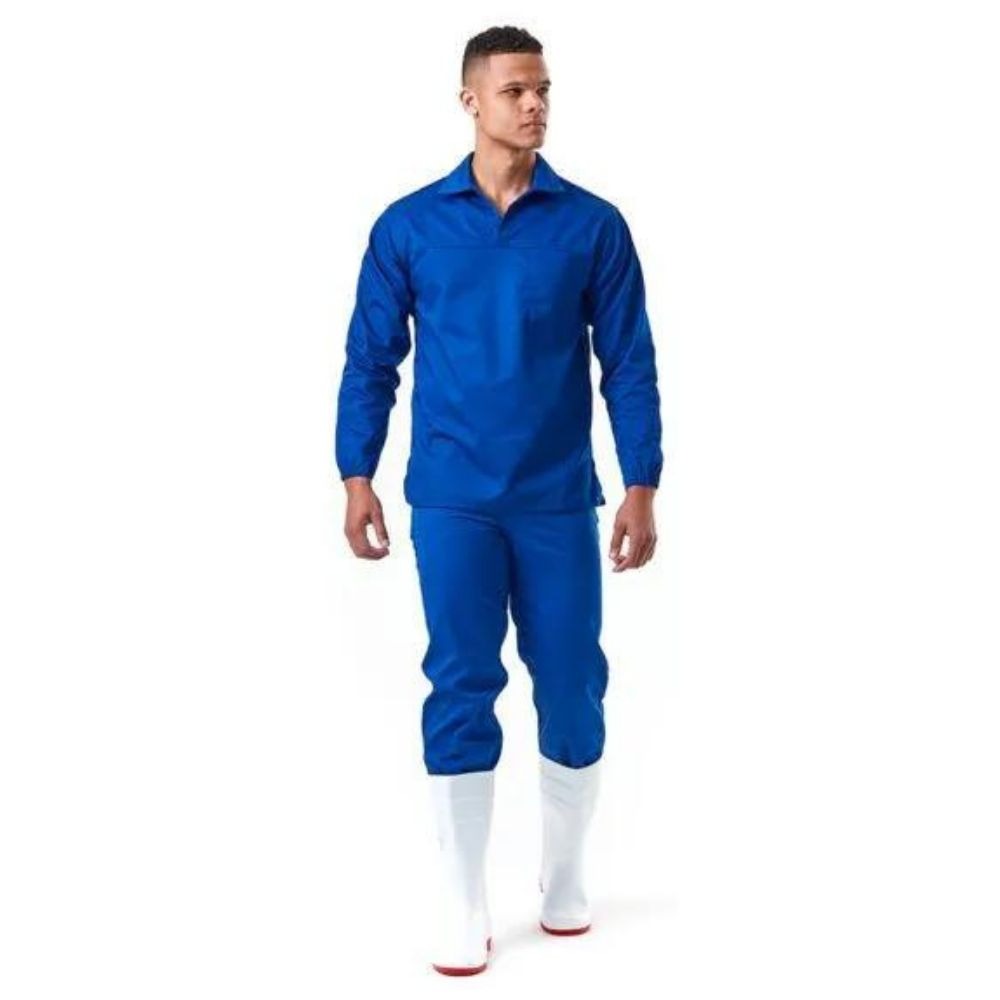
What to look for when choosing workwear uniforms for industrial teams
Workwear needs to match the reality of the tasks being done. That starts with comfort and mobility, because industrial workers move all day. It also includes durability at stress points like knees, elbows, pockets, and seams where wear shows up first.
Good workwear uniforms should also be easy to manage in bulk. Consistent sizing, repeatable styles, and dependable availability make it easier to kit teams and handle replacements without creating a mismatched look.
If your teams work across multiple sites in Gauteng or PTA, standardising uniforms also makes site compliance easier. A clear workwear standard reduces confusion, speeds up onboarding, and keeps crews aligned across shifts.
Reflective Wear that improves visibility without restricting movement
Reflective wear is a key part of industrial safety for teams working near traffic, machinery, forklifts, or low-light conditions. The goal is to make staff visible from a distance and from multiple angles, without adding bulk or discomfort.
Reflective wear should be chosen based on where teams work and how they move. Some roles need high visibility all day, while others need reflective elements only for certain shifts or areas. The best reflective wear allows full movement, stays comfortable in heat, and holds up through frequent washing.
When reflective wear is consistent across teams, it also improves site management. Supervisors can identify staff quickly and ensure correct gear is being worn without constant checking.
Rain Wear for wet weather, outdoor work, and seasonal shifts
Rain wear is one of the most important items for industrial teams that work outdoors, move between buildings, or operate in weather-exposed environments. When rain gear fails, workers get cold, uncomfortable, and distracted, which increases risk and slows productivity.
Rain wear should protect without limiting movement. It should also support layering, because many workers start early or work in changing temperatures. The right rain wear keeps teams dry while still allowing them to lift, carry, bend, and work at pace.
Consistent rain wear also helps with planning. When rain hits, you do not want to scramble to find gear. Having rain wear as part of your standard uniform setup helps teams stay ready without delays.
Jackets that support comfort in early mornings and colder conditions
Industrial work does not stop because temperatures drop. Jackets are often the difference between crews starting the day comfortably or starting cold and stiff. In Gauteng and PTA, early mornings, winter months, and outdoor roles can require dependable outerwear that supports movement and durability.
Industrial jackets should be practical. They need to handle abrasion, support repeated wear, and maintain a neat appearance. They should also be easy to layer over work shirts and reflective items without becoming bulky or restrictive.
A consistent jacket standard keeps teams looking professional and helps reduce the mix of personal outerwear that often appears when workplaces do not supply suitable options.
How industrial workwear uniforms support compliance on site
Compliance is easier when workwear is fit for purpose. When uniforms are uncomfortable, poorly fitted, or not suited to the environment, workers are more likely to wear incorrect items or mix in personal clothing. That creates inconsistency and increases risk.
Industrial workwear uniforms support compliance by making the correct choice the easiest choice. When staff have reflective wear when they need it, rain wear when conditions change, and jackets when temperatures drop, they can stay compliant without making adjustments that reduce safety.
Compliance also includes presentation and identification. Consistent uniforms help sites maintain standards, improve accountability, and create a clear professional image for both internal teams and external visitors.
Building a workwear uniform system for multiple departments
Many industrial businesses have multiple roles under one operation. Warehouse staff may need reflective wear. Delivery teams may need rain wear. Maintenance teams may need durable jackets and reinforced workwear. Trying to force one uniform item across every role often leads to discomfort and early wear.
A better approach is a role-based workwear system. This means keeping core items consistent while adding the right protective layers and accessories for specific tasks. A role-based system keeps your brand consistent while ensuring each team has what it needs to work safely and comfortably.
This approach also supports procurement. You can order by role, manage stock more predictably, and replace items without changing the entire uniform range.
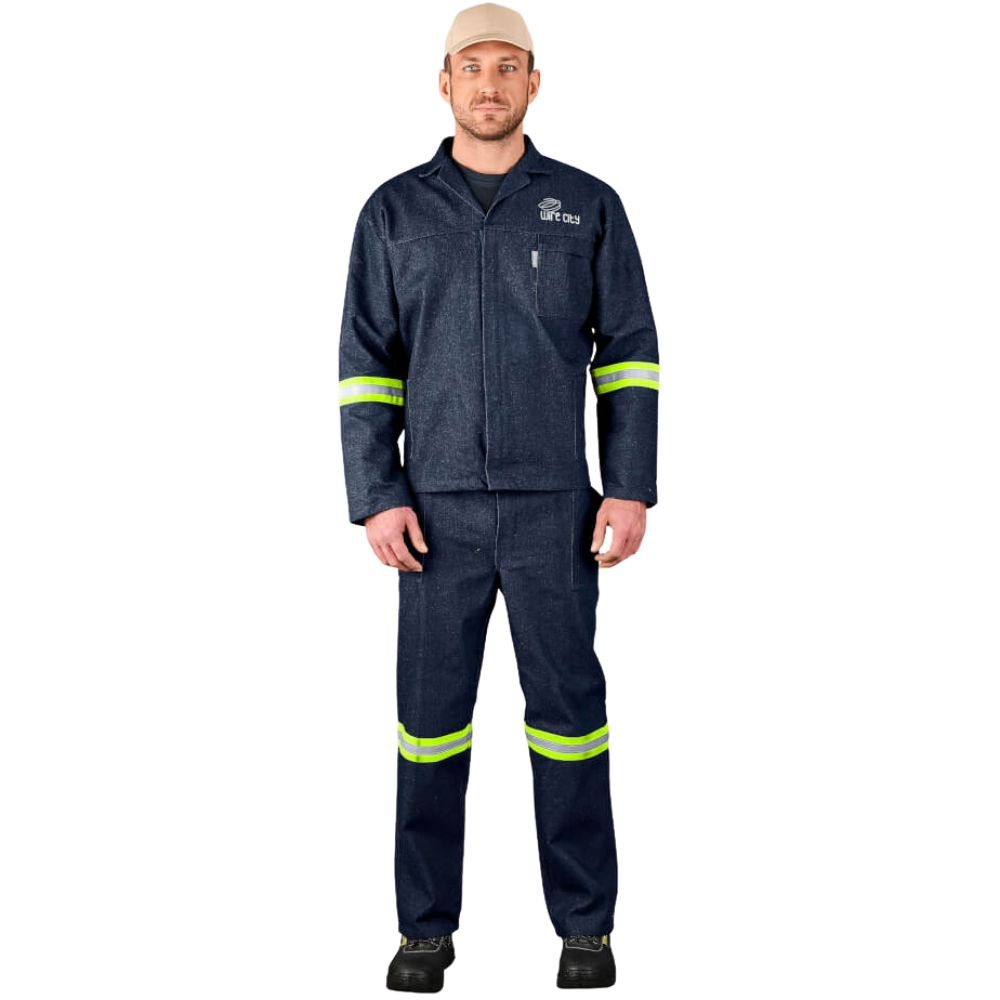
Sizing and fit for industrial workwear uniforms
Fit affects comfort, safety, and durability. Workwear that is too tight pulls at seams and wears out faster. Workwear that is too loose can snag, shift, and become unsafe in industrial environments.
A strong sizing process helps keep uniforms consistent across teams. It also makes onboarding easier because new staff can be kitted quickly with the correct items. When your workwear uniforms fit properly, teams look more professional and experience fewer issues during daily movement.
Sizing consistency also reduces replacement errors. When you reorder the same range in the same sizes, uniform management becomes far simpler across Gauteng and PTA sites.
Keeping workwear uniforms consistent over time
Uniform programmes often start strong and then lose consistency as replacements happen. A few emergency purchases here and there, a few staff wearing personal jackets, and suddenly the team looks mismatched.
Consistency comes from choosing defined ranges and reordering from them. When reflective wear, rain wear, and jackets are part of the standard system, the workplace looks organised and the uniform standard stays stable even as teams grow.
This also improves budgeting. Replacements become predictable rather than reactive, and you reduce the cost of last-minute purchasing.
Industrial Workwear Uniforms FAQ
What are industrial workwear uniforms typically used for?
Industrial workwear uniforms are designed for environments like warehouses, manufacturing, construction, logistics, and maintenance teams. They support durability, comfort, and safety by matching clothing to physical tasks, movement, and site requirements.
Why is reflective wear important in industrial workwear?
Reflective wear improves visibility in low-light areas, around machinery, and near moving vehicles like forklifts and trucks. It helps reduce risk by making staff easier to see, which is important for safety compliance and site management.
When should a business include rain wear in its uniform setup?
Rain wear is important for teams working outdoors, moving between sites, or operating in weather-exposed environments. Including rain wear in the standard uniform system helps prevent delays and discomfort when conditions change unexpectedly.
What should businesses look for in industrial jackets?
Industrial jackets should support movement, handle abrasion, and layer comfortably over standard workwear. A good jacket also helps maintain consistent presentation and reduces the need for staff to wear personal outerwear on site.
How can businesses keep workwear uniforms consistent across Gauteng and PTA teams?
Standardise core items, keep defined ranges for reflective wear, rain wear, and jackets, and use a consistent sizing process. This makes it easier to kit new staff, manage replacements, and maintain a professional uniform standard across multiple sites.
Industrial workwear uniforms in Gauteng and PTA: Get a system that works year-round
If you’re sourcing industrial workwear uniforms in Gauteng and PTA, the best results come from building a consistent uniform system that supports daily conditions. When your workwear uniforms include practical Reflective Wear, dependable Rain Wear, and durable Jackets, teams stay safer, more comfortable, and more consistent across every shift.
To keep uniform standards strong as your workforce grows, start with role requirements, standardise your key ranges, and make replacements easy by sticking to the same core workwear system over time.