
Workwear Uniforms and Safety Footwear in KwaZulu Natal and Durban: Reliable Supply From Industrial Safety Wear Suppliers
If you’re sourcing workwear uniforms and safety footwear in KwaZulu Natal or Durban, you need more than a once-off purchase. You need a supplier that can keep teams consistent across seasons, shift patterns, and site requirements. The right uniform setup improves safety, supports compliance, and keeps staff comfortable enough to do their job without distractions.
Businesses across KZN often operate in mixed environments, from warehouses and industrial sites to public-facing roles in hospitality, security, and healthcare. That makes reliable industrial safety wear suppliers essential, especially when you need core workwear plus specialised ranges like Chef Wear,Security Wear,Medical PPE for different departments under one brand.
Why workwear uniforms and safety footwear matter in Durban workplaces
Durban’s working conditions can be demanding. Heat, humidity, rain, and high daily movement all put pressure on workwear and footwear. When shoes are uncomfortable or clothing is not fit for the job, teams slow down, standards slip, and replacement costs increase.
Workwear uniforms create consistency and reduce guesswork, especially when teams include new starters, contract staff, or rotating crews. Safety footwear is just as important. Foot fatigue, poor grip, and incorrect shoe types can create safety risks and reduce productivity over time.
A strong uniform and footwear setup is one of the simplest ways to support performance while maintaining a professional standard across your workforce.
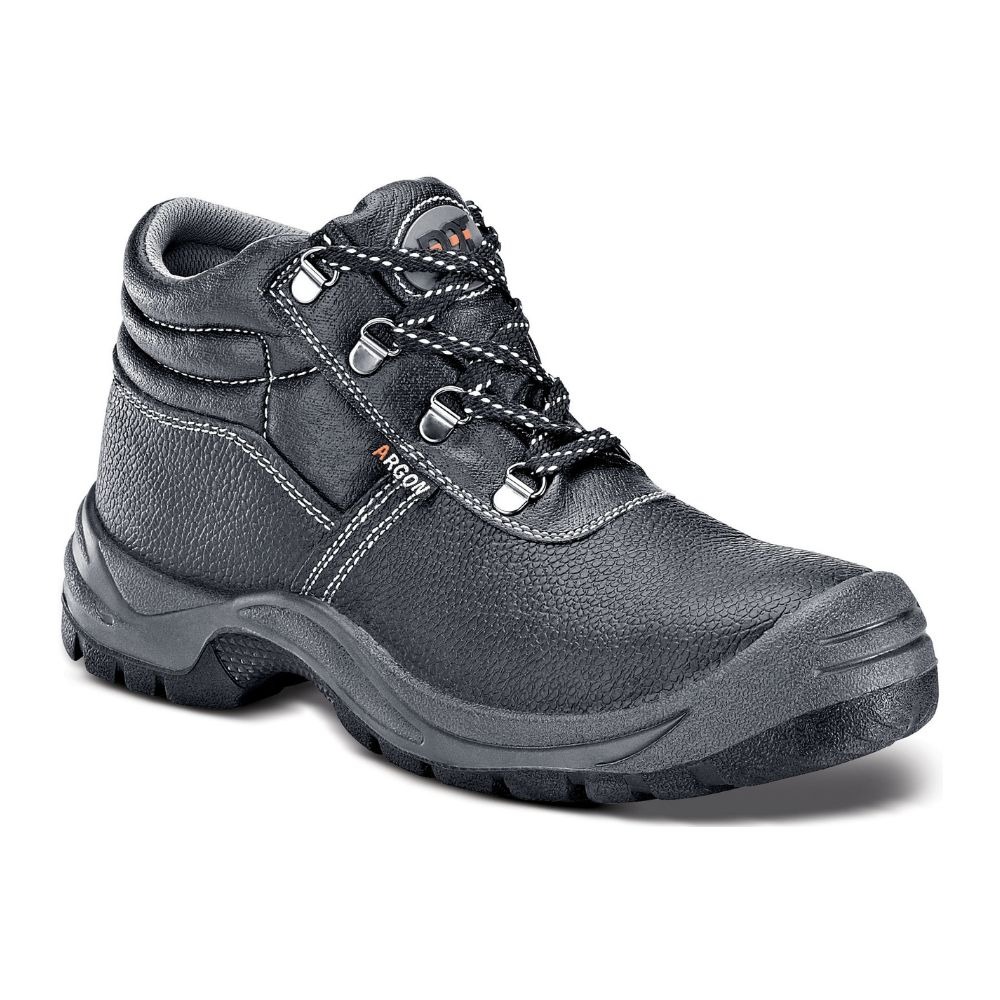
What to expect from industrial safety wear suppliers in KwaZulu Natal
The best industrial safety wear suppliers do more than sell products. They help businesses standardise ranges, manage repeat ordering, and maintain consistent fit and presentation across teams.
That includes supplying workwear uniforms that hold up under daily wear, plus safety footwear options that match the job role and site requirements. It also includes helping businesses avoid common problems like inconsistent sizing, mixed styles, or last-minute replacement purchasing that breaks uniform standards.
When a supplier can support both bulk purchasing and ongoing replenishment, uniform management becomes far easier.
Workwear uniforms built for durability, comfort, and daily movement
Workwear uniforms need to handle repetitive physical tasks. In industrial roles, clothing is exposed to friction, lifting, bending, kneeling, and frequent washing. Weak construction tends to fail at stress points like knees, seams, pockets, and cuffs.
Durable workwear helps teams stay consistent because garments remain wearable and presentable longer. This is especially important for businesses with customer visibility, site access control, or internal standards that require teams to look organised.
Comfort matters too. Workwear that restricts movement creates frustration and leads to staff adjusting clothing or mixing in personal items. Uniforms should support the work, not become another problem to manage.
Safety footwear that supports comfort and site safety
Safety footwear is a foundational part of compliance for many workplaces. The right footwear supports grip, reduces fatigue, and helps protect workers in environments where heavy objects, slippery floors, sharp materials, or long standing hours are part of the job.
In Durban and across KwaZulu Natal, footwear choices also need to account for heat and long shifts. When footwear is too heavy, too stiff, or poorly fitted, it affects how people move, how long they can stay comfortable, and how likely they are to wear the correct shoes every day.
A consistent safety footwear standard helps keep teams aligned and reduces the mix of incorrect shoes that often appears when footwear is not managed as part of the uniform plan.
How to build a consistent workwear and safety footwear system
A uniform system works best when it’s planned by role. Start by identifying the types of work being done and the conditions teams face daily. Then standardise core uniform items and select safety footwear that matches each role.
Consistency does not mean everyone wears the exact same kit. It means the business has a defined standard for each department and can maintain that standard over time. This approach helps with onboarding, replacements, and compliance checks because expectations are clear and items are easy to reorder.
A role-based system is especially useful when you have both industrial teams and customer-facing teams operating within the same business.
Chef wear as part of a complete workwear supply setup
Many Durban businesses include hospitality roles even when their core operation is not hospitality. Sites may have kitchens, catering teams, or staff canteens that require proper chef wear.
Chef wear needs to support hygiene, frequent washing, and the physical pace of kitchen work. A defined chef wear range helps maintain cleanliness and consistency while ensuring staff have comfortable, practical uniforms for long shifts near heat and equipment.
Including chef wear within a broader workwear supply plan also simplifies procurement because you can standardise multiple ranges through one supplier process.
Security wear that supports professional presentation and durability
Security teams are often visible to staff, customers, and the public. Their uniforms need to look sharp while handling long shifts, outdoor movement, and active patrol work.
Security wear should maintain structure and consistency across teams. It should also support comfort, because discomfort leads to mixed uniform items and an inconsistent appearance. When security wear is standardised, identification becomes clearer and the team looks more organised across all shifts.
For businesses that manage security in-house, having security wear included in the wider uniform system helps maintain brand consistency across departments.
Medical PPE for hygiene-focused environments and mixed workplaces
Medical PPE is essential for healthcare settings and also relevant for workplaces that include first aid teams, on-site clinics, cleaning operations, or hygiene-sensitive environments.
Medical PPE and uniforms should support comfort, daily wear, and clean presentation. They also need to be easy to replace in bulk, because PPE items often move quickly in active environments.
For Durban businesses that include multiple functions under one roof, sourcing medical PPE as part of a wider workwear plan helps maintain consistent standards and reduces last-minute shortages.
Stock planning and repeat ordering for Durban teams
Uniform programmes often lose consistency when replacements are handled only when items fail. That leads to reactive buying, mismatched kit, and higher overall cost.
A better approach is to standardise ranges, keep predictable replacement cycles, and make sure sizing and styles remain consistent over time. This is where working with reliable industrial safety wear suppliers helps, because the goal is not just the first purchase. It is consistent supply and consistent standards.
For businesses with multiple sites across KwaZulu Natal, standardised ordering also supports faster onboarding and cleaner site compliance.
Workwear uniforms and safety footwear FAQ
What should businesses prioritise when choosing workwear uniforms and safety footwear?
Start with role requirements and site conditions. Workwear uniforms should support movement and durability, while safety footwear should support grip, comfort, and protection based on job risk. Consistency across teams is also important so uniforms stay aligned over time.
Why work with industrial safety wear suppliers instead of buying items separately?
Industrial safety wear suppliers help businesses standardise ranges, manage bulk orders, and maintain consistent replacement supply. Buying items separately often leads to mismatched sizing, inconsistent styles, and difficulty keeping teams aligned as staff changes happen.
Can one supplier support multiple uniform categories like chef wear and medical PPE?
Yes. Many businesses need multiple uniform types across departments. Sourcing Chef Wear,Security Wear,Medical PPE through a consistent supplier plan makes procurement simpler and helps maintain standards across different roles.
How do businesses keep uniform standards consistent across multiple KZN locations?
Standardise core uniform ranges, use a consistent sizing process, and reorder the same items for replacements and new starters. This prevents the patchwork look that happens when teams are supplied through mixed sources over time.
How often should safety footwear be replaced in active workplaces?
Replacement timing depends on job conditions and daily wear. In high-use environments, footwear may wear down faster due to constant movement and surface exposure. A clear inspection and replacement routine helps maintain safety and keeps staff comfortable across long shifts.
Workwear uniforms and safety footwear in KwaZulu Natal and Durban: Build a dependable supply plan
If your business needs workwear uniforms and safety footwear in KwaZulu Natal and Durban, the best results come from building a consistent system and partnering with reliable industrial safety wear suppliers. When uniforms are standardised and footwear is matched to the job, teams stay safer, more comfortable, and more consistent across every shift.
If you also need Chef Wear,Security Wear,Medical PPE for additional departments, setting up a role-based uniform plan helps you manage everything under one clear standard while making repeat ordering easier as your workforce grows.