
Workwear
Workplace Uniforms: Business Workwear Solutions That Keep Teams Professional and Comfortable

Workwear does more than cover the basics. The right Workplace Uniforms help your team look consistent, feel comfortable through long shifts, and represent your business in a way customers immediately recognise. Whether you run a corporate office, a retail team, a service business, or a mixed workplace with different roles, uniforms create clarity. They make teams easier to identify, improve presentation, and help staff feel ready for the day.
When businesses think about uniforms, they often start with shirts and stop there. But workplace uniform programmes work best when they’re built as complete business workwear solutions. That means choosing the right Corporate Wear,Casual Wear,Footwear and making sure those choices match the reality of the job.
Why Workplace Uniforms matter for business consistency
Customers notice uniform standards, even when they don’t comment on them. A consistent uniform creates an instant signal that your business is organised and professional. It also reduces confusion for customers because staff are easy to spot and easy to approach.
For staff, workplace uniforms reduce decision fatigue. Instead of worrying about what to wear, employees can focus on work. This can be especially helpful in fast-paced environments where teams start early, work long hours, or switch between tasks throughout the day.
Consistency matters internally too. When a team is kitted in the same uniform range, it helps create a shared identity. That can improve morale and help new starters integrate more quickly.
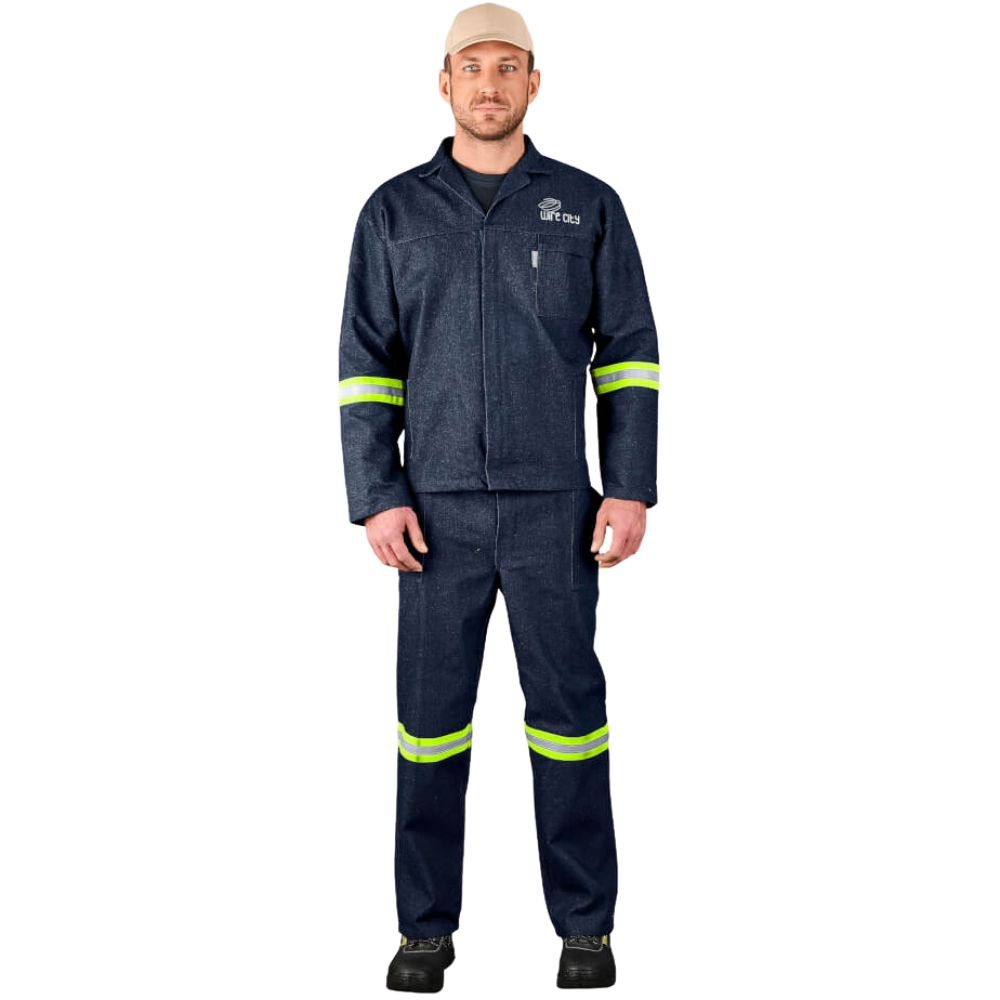
Workplace uniforms as a practical business workwear solution
A uniform programme is not just about appearance. It is a practical system that supports day-to-day operations. The right business workwear solution improves comfort, safety, and performance by matching the clothing to the job.
If the uniform is uncomfortable, too hot, too restrictive, or poorly fitted, staff will adjust it constantly or replace pieces with non-uniform items. That leads to inconsistency and frustration. When the uniform fits well and suits the role, staff wear it properly and the business maintains standards with less effort.
Workplace uniforms also simplify procurement. Standardised items are easier to reorder, easier to size, and easier to manage across teams, shifts, and departments.
Corporate Wear that supports a polished brand image
Corporate wear is often the first impression for businesses that deal directly with clients, customers, or partners. It needs to look professional, feel comfortable for full-day wear, and stay neat throughout the day.
What good corporate wear should do for your team
Corporate wear should support movement without looking casual or sloppy. Shirts, blouses, trousers, skirts, and outerwear should hold shape and remain presentable even after repeat use. A uniform that creases heavily, loses structure, or feels stiff creates discomfort and undermines the professional look you’re trying to achieve.
Good corporate wear should also be consistent across the team. When pieces match in style and tone, the brand looks unified. This matters in offices, reception areas, showrooms, and any role where staff represent the business face-to-face.
Building a corporate wear uniform that stays consistent
Consistency becomes easier when you choose a defined range and stick with it. That includes selecting a standard colour palette, a small set of garment styles, and a consistent approach to fit. A stable corporate wear range also helps when replacing items or onboarding new staff, because the same look can be maintained over time.
Casual Wear uniforms for modern teams and active roles
Not every role needs formal corporate wear. Many businesses need uniforms that look neat but support more movement and physical work. Casual wear uniforms are common in retail, hospitality, warehousing, field service, and operations teams that still need to look branded and professional.
When casual wear makes more sense than corporate wear
Casual wear works well when staff are moving frequently, lifting, driving, or working outdoors. It also suits businesses that want a modern, approachable look while still keeping teams consistent.
The key is choosing casual wear that still looks intentional. That means avoiding random clothing combinations and instead choosing a defined uniform range that fits the brand and the role.
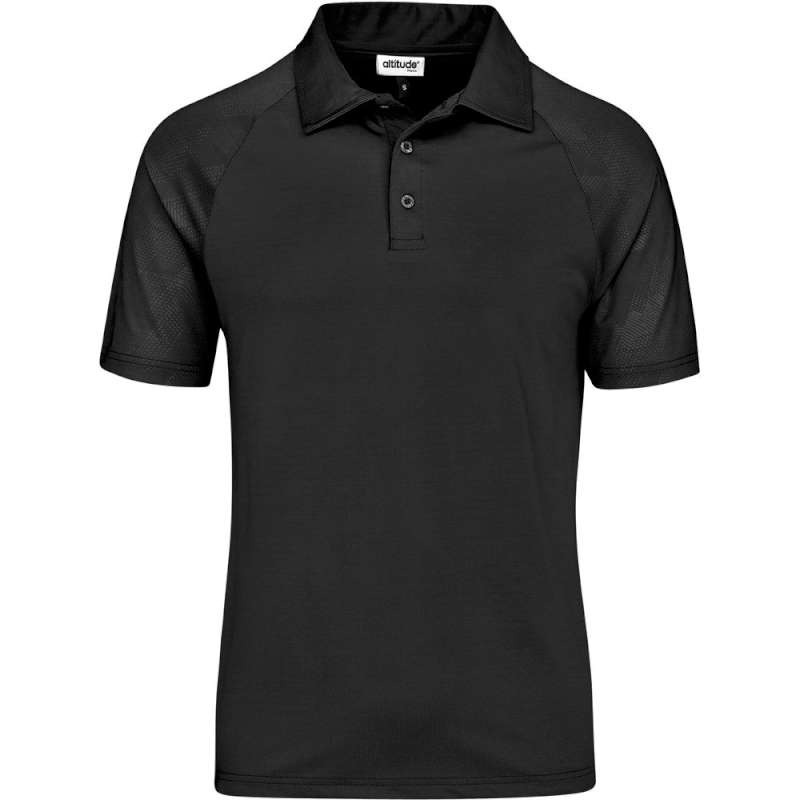
What to look for in casual wear uniforms
Casual wear should be durable enough for daily use and comfortable enough for long shifts. Fabric breathability, ease of movement, and reliable construction all matter. A good casual uniform still needs to stay neat, fit properly, and look consistent across staff.
Footwear as a core part of workplace uniform standards
Footwear is often treated as an afterthought, but it is one of the most important parts of workplace uniforms. Shoes affect comfort, safety, and how staff feel during a shift. They also affect presentation. A uniform can look sharp, but if footwear is inconsistent or unsuitable, the overall look becomes uneven.
Why footwear matters for comfort and productivity
Staff who are on their feet all day need footwear that supports them properly. Poor shoes cause fatigue, discomfort, and sometimes injury. That affects performance and can lead to higher absenteeism over time.
Footwear should match the role. Office teams may prioritise comfort and presentation. Retail and hospitality teams may need supportive shoes for long standing hours. Warehouse or operational roles may require footwear that can handle heavier conditions.
Setting a clear footwear standard for workplace uniforms
A footwear standard prevents inconsistency. Even if you don’t supply footwear directly, defining acceptable footwear styles and colours helps maintain a uniform look. If your workplace requires specific protective footwear, the standard needs to be clear so staff are compliant from day one.
How to build workplace uniforms that work across departments
Many businesses include multiple roles under one roof. Office staff may require corporate wear, while operations staff require casual wear and specific footwear. The best business workwear solutions account for this by creating a uniform system, not a single uniform item.
A strong system keeps each role appropriate while still keeping the brand consistent. Colour alignment, logo placement, and consistent quality standards help create a unified look across the business even when uniforms differ by role.
This approach also improves procurement. You can manage uniforms by department, reorder predictable items, and maintain standards without constant redesign.
Sizing and fit as part of uniform success
Sizing issues are one of the fastest ways to break a uniform programme. When staff do not have access to the right fit, they stop wearing the uniform properly or replace items with their own clothing.
A good uniform plan includes a reliable sizing process and consistent sizing across replacement orders. Fit also affects durability. Clothing that is too tight pulls at seams. Clothing that is too loose becomes uncomfortable and can look unprofessional.
When sizing is handled properly, workplace uniforms look sharper, last longer, and feel better for staff.
Maintenance and replacement planning for business workwear solutions
Uniforms last longer when maintenance is consistent. It helps to set clear expectations about washing, drying, and general care. This keeps corporate wear looking neat and keeps casual wear in usable condition for longer.
Replacement planning also matters. Businesses that wait until uniforms fail completely often end up with mismatched teams. A better approach is replacing items on a schedule or when they start to look tired, before they affect presentation.
This is especially important for customer-facing roles. A uniform that looks worn impacts perception even if the service is excellent.
Workplace Uniforms FAQ
What are workplace uniforms meant to achieve for a business?
Workplace uniforms create consistency, improve brand presentation, and make staff easy to identify. They also support smoother daily routines for employees by reducing the need to decide what to wear. When uniforms fit the role, they become part of a practical business workwear solution.
How do I choose between corporate wear and casual wear for my team?
It depends on the role and the environment. Corporate wear suits client-facing office roles and formal environments. Casual wear is better for active roles, retail, or operational teams that need more movement. Many businesses use both across different departments while keeping brand consistency through colour and style standards.
Why should footwear be included in uniform planning?
Footwear affects comfort, safety, and presentation. Staff who stand or move all day need supportive shoes, and inconsistent footwear can make a uniform look incomplete. A clear footwear standard helps maintain consistency and supports staff comfort during long shifts.
How can businesses keep uniform standards consistent over time?
Consistency comes from choosing defined ranges and sticking with them. Standardise colours, styles, and fit, and keep a predictable process for replacements and new starters. This prevents the mismatched look that happens when uniforms are bought in small batches without a plan.
What makes workplace uniforms a better long-term solution than allowing staff to choose their own clothing?
Uniforms reduce inconsistency and create a professional appearance across the business. They also make onboarding easier, reduce daily stress for staff, and support brand identity. Over time, a uniform programme can be more cost-effective than constant clothing exceptions and inconsistent presentation.
Workplace Uniforms: Build a uniform system that fits your business
The best Workplace Uniforms are built as business workwear solutions, not one-off purchases. When you choose the right Corporate Wear,Casual Wear,Footwear for each role, you create a consistent look that supports comfort, performance, and professionalism across the whole team.
If you want uniforms that staff actually wear properly, focus on fit, durability, and role-based design from the start. A clear uniform system keeps teams consistent, reduces replacement headaches, and helps your brand look organised every day.
