
Safety Wear and Protective Equipment in the Western Cape and Cape Town: Workwear Clothing and Safety Equipment That Fits the Job
If you’re sourcing safety wear and protective equipment in the Western Cape or Cape Town, you’re making decisions that affect day-to-day safety, comfort, and professionalism on the job. The right gear supports compliance, reduces avoidable injuries, and helps teams stay productive through long shifts. It also helps businesses maintain a consistent standard, especially when teams include both site-based roles and customer-facing staff.
Pansula Workwear supports businesses that need dependable workwear clothing and safety equipment for real working conditions. From jobsite essentials through to workplace presentation items like Corporate Wear,Casual Wear,Footwear, the goal is to provide practical ranges that are consistent, comfortable, and easy to reorder as teams grow.
Why safety wear and protective equipment matters in Cape Town workplaces
Cape Town and the wider Western Cape include a wide mix of industries, from construction and logistics to hospitality, corporate offices, and service businesses. Many workplaces also include mixed environments where some staff work on-site and others interact with customers.
In these settings, safety wear and protective equipment is not just a box to tick. It’s a daily requirement that needs to suit the realities of how people move, what conditions they work in, and what site standards demand. When gear is uncomfortable or not fit for purpose, workers adjust it, remove it, or substitute it, which is where risk increases and standards start slipping.
The right safety wear makes compliance easier because it supports the job instead of getting in the way of it.
Workwear clothing and safety equipment that supports compliance without slowing teams down
Compliance works best when the correct gear is simple to wear and simple to manage. That means selecting ranges that match the environment, the movement demands of the role, and the level of protection required.
Workwear clothing and safety equipment should support mobility for active roles and remain comfortable through long shifts. It should also hold up to repeat use. When garments wear out too quickly, teams end up with mismatched items, and replacements become reactive instead of planned.
A consistent workwear system makes compliance easier to enforce because it keeps teams aligned and makes the correct uniform the default.
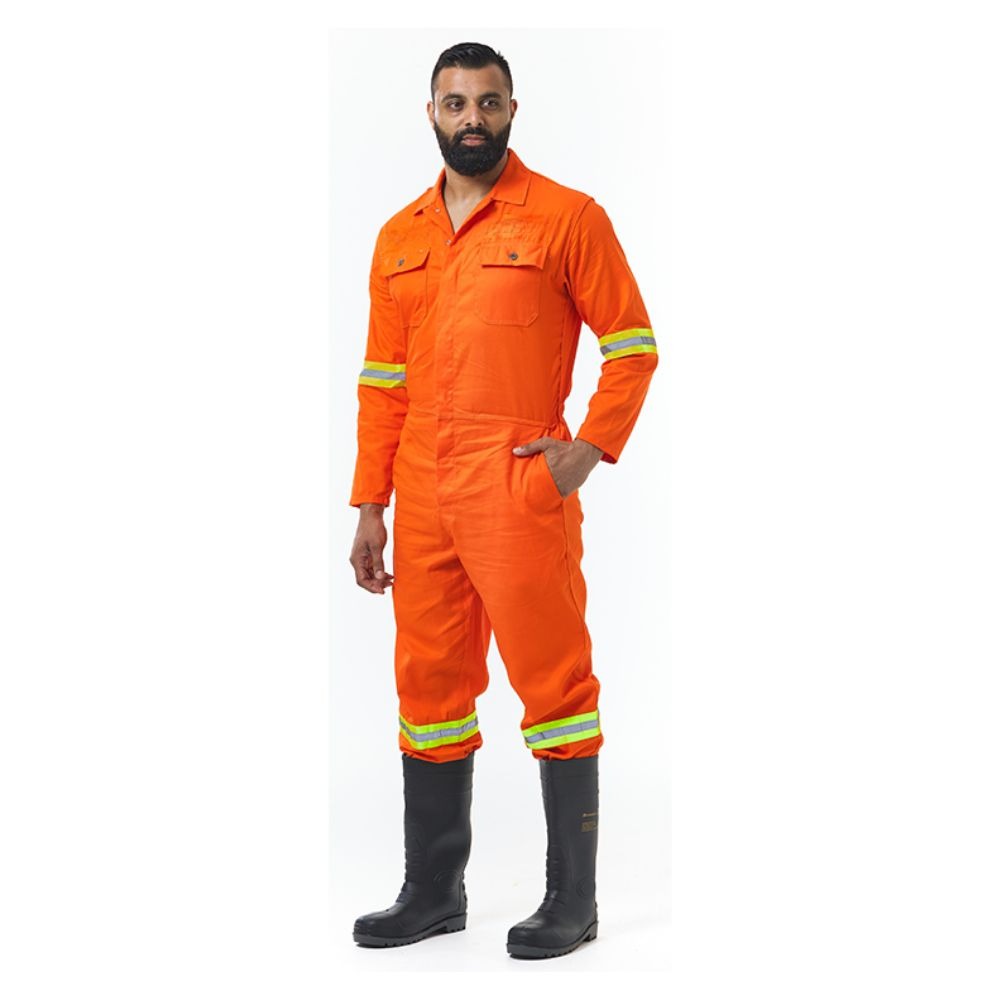
How to choose safety wear for different job environments in the Western Cape
The Western Cape has varied working conditions, including coastal weather shifts, outdoor job sites, and high customer visibility in many businesses. Choosing the right safety wear begins with understanding where your team works and what risks are present.
Some environments require stronger protective equipment due to machinery, heavy handling, or site hazards. Others require workwear that prioritises comfort, clean presentation, and durability through daily movement. Many businesses need both, especially when staff move between a workshop, a warehouse, and customer-facing areas.
The most reliable approach is to choose workwear and safety equipment by role, then keep a consistent appearance standard across the wider organisation.
Corporate wear that works alongside safety standards
Not every staff member needs full PPE, but many businesses still require a consistent professional look. Corporate wear supports workplaces where staff are client-facing, office-based, or operating in roles where presentation is part of trust.
Corporate wear should be comfortable enough for full-day use and structured enough to stay neat. It should also align with workplace expectations around safety and identification, especially in environments where office staff may still access operational areas.
When corporate wear is part of the overall workwear plan, the business maintains consistency across departments instead of splitting into mismatched clothing standards.
Casual wear for practical, modern workplace uniforms
Casual wear uniforms suit teams who need mobility while still presenting a neat, branded appearance. This is common in retail, hospitality, onsite service teams, and operational roles where corporate wear would be restrictive or impractical.
Casual wear needs to be durable, comfortable, and consistent in style. It should still look intentional and professional, especially in customer-facing environments. The goal is to create a uniform standard that supports work, not one that feels like a compromise between comfort and appearance.
When casual wear is chosen as part of a defined range, it becomes easier to reorder and maintain consistency across staff and new starters.
Footwear as part of safety wear and protective equipment planning
Footwear is often the difference between a comfortable shift and a painful one. It also affects safety. Slips, trips, and foot fatigue can be reduced significantly when footwear standards are clear and matched to job conditions.
For some roles, protective footwear is required. For others, supportive and consistent footwear standards improve professionalism and comfort. Footwear also has a strong impact on how uniforms look overall. When shoes are inconsistent, even a clean uniform can look unfinished.
A clear footwear plan helps maintain a consistent standard while supporting comfort and safety across different roles.
Building a consistent workwear system across multiple departments
Many Western Cape businesses include mixed roles under one brand. You may have office staff, field teams, warehouse teams, and customer-facing staff all operating within the same company. A single uniform item rarely suits everyone.
A better approach is a system. Define corporate wear for office and client-facing roles, casual wear for active customer-facing roles, and role-specific protective equipment for operational environments. This keeps everyone aligned while making sure each role is properly equipped.
A system also makes procurement easier. You order by role, maintain consistent ranges, and handle replacements without breaking the look across the organisation.
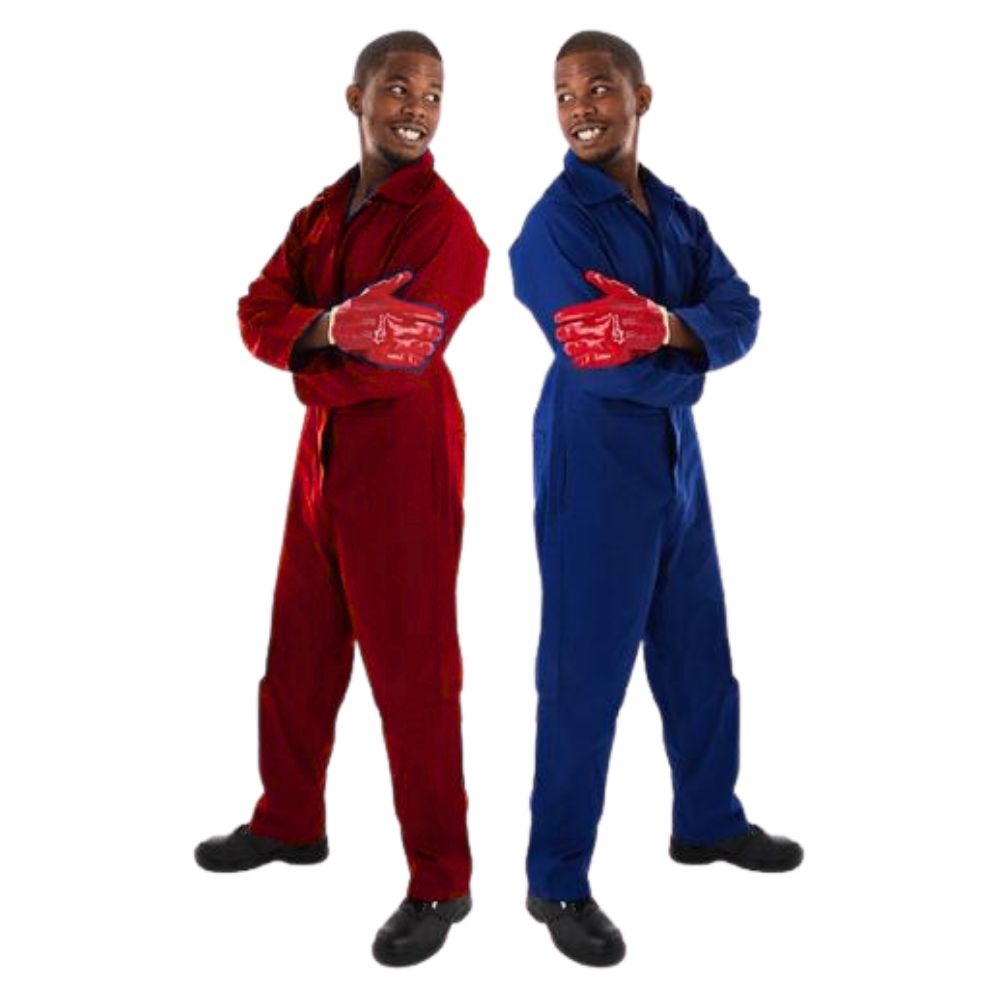
Stock planning and repeat ordering for Cape Town teams
Uniform management becomes harder when replacements are handled only when something fails. That leads to last-minute orders, inconsistent items, and teams wearing mixed alternatives.
A more reliable approach is to standardise your core items and plan replacements. When your workwear clothing and safety equipment is consistent and reorder-friendly, teams stay aligned and compliance becomes easier to maintain.
This matters even more when you have multiple sites or multiple teams operating across Cape Town and surrounding areas, where consistent presentation can affect professionalism and site access.
Safety Wear and Protective Equipment FAQ
What is included in safety wear and protective equipment for workplaces?
Safety wear and protective equipment can include role-appropriate workwear, protective items, and footwear standards that support safety and compliance. The exact needs depend on the job environment, but the goal is always to protect workers and maintain a consistent standard across the workplace.
How do businesses choose the right workwear clothing and safety equipment?
Start with the role and the environment. Identify the movement demands, hazards, and site standards, then choose ranges designed for those needs. Selecting role-specific options while keeping a consistent look across teams helps maintain both safety and professionalism.
Why should corporate wear be included in a workwear plan?
Corporate wear supports teams who are client-facing or office-based, ensuring a professional appearance that matches the brand. Including it in the workwear plan keeps the whole organisation consistent, especially when staff interact across departments.
When is casual wear a better uniform choice than corporate wear?
Casual wear works well when roles require more movement or practical comfort, such as retail, hospitality, onsite service, or operations-adjacent roles. It still needs to look professional and consistent, but it offers flexibility that corporate wear may not.
Why is footwear important in safety wear planning?
Footwear affects comfort, safety, and uniform consistency. For some roles, protective footwear is required, while other roles still benefit from supportive, consistent footwear standards. Clear footwear guidelines reduce risk and help the overall uniform look more complete.
Safety wear and protective equipment in the Western Cape and Cape Town: Build a workwear standard that works
If your business needs safety wear and protective equipment in the Western Cape and Cape Town, the best results come from building a consistent system that matches real job roles. When your workwear clothing and safety equipment includes the right balance of protection, comfort, and professional presentation, teams stay safer and businesses maintain standards with less effort.
By aligning Corporate Wear,Casual Wear,Footwear with the practical needs of your work environment, you create a uniform programme that supports compliance, improves consistency, and keeps teams ready for the workday ahead.