
Workwear
Reflective Wear, Rain Wear and Jackets: What They’re For, Who Uses Them, and Why Quality Matters
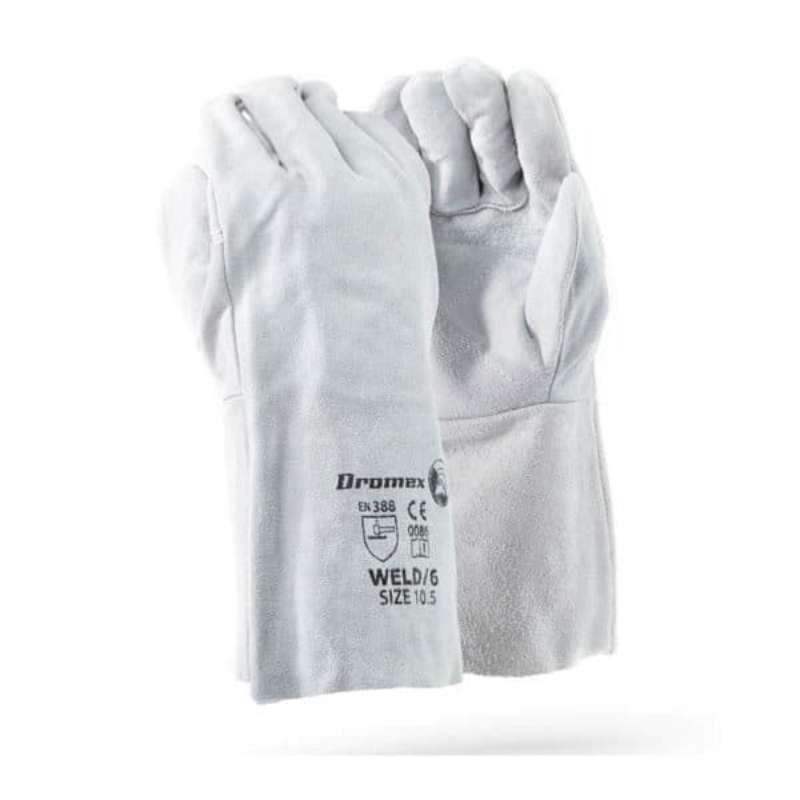
Reflective Wear, Rain Wear and Jackets are some of the most relied-on pieces of protective clothing for workers because they deal with two everyday job-site realities: low visibility and rough weather. When a team is working near vehicles, machinery, loading bays, road edges, or outdoor sites, being seen clearly and staying dry and warm is not a comfort issue. It’s part of staying safe, staying focused, and getting the job done without avoidable delays.
Pansula Workwear supplies workwear and PPE designed for South African conditions, where protective clothing needs to last through long shifts, frequent washing, and constant movement. In this guide, we break down what these products are for, which industries use them most, and what separates gear that performs from gear that becomes a problem halfway through a season.
When Protective Clothing Becomes a Safety Control
Many workplaces treat protective clothing as part of compliance, but in practice it acts like a safety control. It reduces risk when the environment can’t be fully controlled. You can’t stop rain. You can’t always change shift times to avoid low light. You can’t remove every moving vehicle from a site. What you can do is make sure workers are visible, protected from the elements, and equipped with clothing that supports safe behaviour.
That’s why Reflective Wear, Rain Wear and Jackets matter across so many industries. They help reduce slips and cold-related fatigue, improve visibility, and keep teams productive when the weather turns. When the clothing is uncomfortable, heavy, or poorly fitted, workers often adjust it, remove it, or wear it incorrectly. That’s where quality becomes directly linked to compliance and safety outcomes.
What Reflective Wear Is Designed to Do
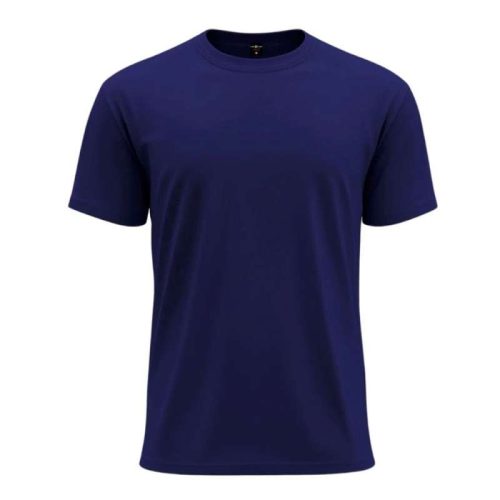
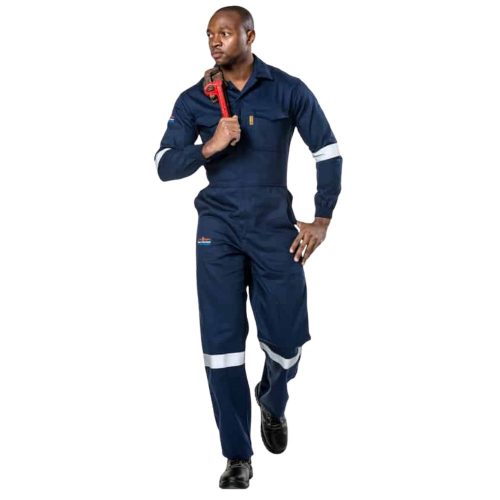
Reflective wear is built to make workers visible in low light and high-risk areas. This includes early mornings, evenings, shaded loading zones, warehouses, and roadside environments where headlights or work lights are the main source of visibility.
The most practical role of reflective wear is to create fast recognition. It helps vehicle operators and site teams spot a person quickly and judge distance and movement sooner. That extra second of visibility can prevent incidents that happen during reversing, turning, unloading, or moving between work zones.
Reflective wear isn’t only for “big sites”. It’s used by any team that works around traffic flow, plant equipment, forklifts, delivery vehicles, or busy access points. It’s also common in security and facilities roles where patrols and external checks happen after hours or in low-light conditions.
What Rain Wear Is Designed to Do
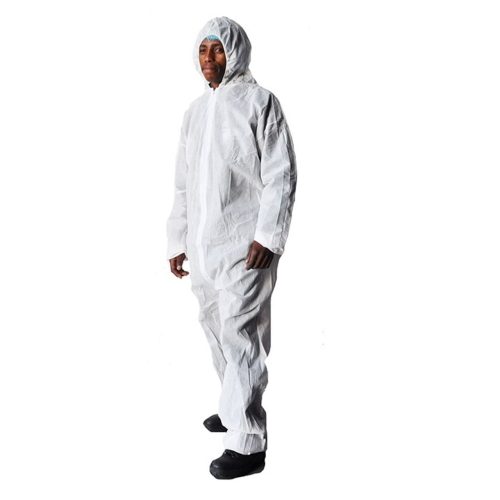
Rain wear is meant to keep workers dry, reduce cold exposure, and protect body temperature over long shifts. When clothing gets soaked, productivity drops quickly. Hands become less effective, movement becomes heavier, and concentration suffers. Over time, wet clothing also increases the chance of illness and creates discomfort that leads to shortcuts.
Rain wear matters most for outdoor teams, but it’s also relevant for indoor environments with wet exposure such as wash bays, cleaning operations, food supply environments, and logistics areas where staff move between indoor and outdoor zones repeatedly.
Good rain wear supports movement without feeling like a plastic layer that traps heat and restricts work. It should allow a worker to bend, lift, and walk without tearing or pulling at seams, and it should hold up under repeated use rather than failing after a few heavy storms.
What Jackets Are Designed to Do on Site
Jackets are often the piece that ties everything together, especially during early mornings, winter months, or windy environments. A jacket can provide warmth, block wind, and support visibility when reflective detail is built into the design.
In many workplaces, jackets are the most frequently worn outer layer. That makes them important for brand consistency too, especially for teams that represent a company on customer sites, delivery points, or public-facing environments. A jacket that looks professional and performs well becomes part of a uniform standard, while a jacket that fails quickly becomes a recurring replacement cost.
For many teams, jackets also act as a daily storage and utility item. Pocket strength, zip reliability, and durability around cuffs and elbows become the difference between a jacket that supports the job and one that becomes frustrating to wear.
Who Uses Reflective Wear, Rain Wear and Jackets Most Often
Reflective wear is common anywhere people and vehicles share space. This includes logistics yards, warehousing and distribution, construction sites, municipal work, road maintenance, mining support services, and security teams working in low-light areas.
Rain wear is common in civil work, construction, landscaping, waste management, delivery operations, and facilities teams who work outdoors regardless of the forecast. It’s also used in environments where water exposure is part of the job, such as cleaning teams, wash bays, or areas where staff move between outdoor and wet zones.
Jackets are widely used across all of the above, plus manufacturing, maintenance teams, and technical service crews who travel between locations. When teams need a consistent uniform layer that can handle daily wear, jackets become one of the most valuable pieces of protective clothing for workers.
Industries That Rely on These Products Every Day
Construction and civil teams need visibility and weather protection because work continues across changing light and weather conditions. Logistics and warehousing teams need visibility around forklifts, trucks, and loading activity, and rain wear matters when operations extend outdoors.
Security teams rely on visibility and comfort because shifts often happen at night and movement is constant. Municipal services, utilities, and maintenance crews often work near roads and public access points, where visibility is critical and weather exposure is unavoidable.
Manufacturing and industrial sites use jackets and reflective wear where staff move between internal and external zones or work near vehicle paths. Across these industries, quality matters because the clothing isn’t worn occasionally. It’s worn repeatedly, washed repeatedly, and expected to perform without becoming a distraction.
Why Quality Matters More Than People Expect
Low-quality protective clothing often looks fine on day one. The issues appear after repeated use. Reflective elements can fade or peel. Seams can split at stress points. Zips can fail. Fabric can lose shape or become uncomfortable. Rain wear can begin to leak at joins or fail where movement is constant.
When that happens, the impact is more than inconvenience. Workers lose trust in the gear. They stop wearing it consistently. Teams fall out of uniform standard. Procurement becomes reactive. Supervisors spend time dealing with replacements rather than operations.
Quality also affects comfort and heat management. If rain wear traps heat and causes discomfort, workers may remove it when they still need protection. If a jacket is too stiff or heavy, it can restrict movement and create fatigue. The best protective clothing for workers supports the reality of the shift, not just the start of the day.
What to Look for When Buying Reflective Wear
A good reflective garment should stay reflective over time and remain comfortable enough for full-shift use. The fit should allow movement and layering without forcing workers to size up excessively. Stitching should feel secure around high-stress areas, and reflective detail should be positioned in a way that supports visibility from multiple angles.
Reflective wear should also match the environment. A warehouse team may need reflective detail without heavy bulk. A roadside crew may need higher visibility and stronger durability. The right choice is the one that matches the daily exposure, not the cheapest option that meets the brief on paper.
If a team is frequently bending, lifting, or climbing, reflective wear should not pull tight or tear. If it does, workers will avoid wearing it properly, which defeats the point.
What to Look for When Buying Rain Wear
Rain wear should keep water out and remain wearable during movement. If a rain suit is too stiff, workers often fight it throughout the shift. If it’s too light and weak, it may tear or leak quickly, creating the worst possible outcome: the worker is wet and now carrying an extra layer that doesn’t help.
Look for designs that support mobility and durability in areas that take strain. Rain wear also needs sensible closures and coverage, because small gaps around the neck, cuffs, or front closure can lead to water getting in during real work conditions.
Rain wear is also about keeping teams operational. When staff are dry and warm enough, they keep working safely. When they’re soaked and cold, the job slows down, morale drops, and risk increases.
What to Look for When Buying Jackets
Jackets should be built for daily use, not occasional wear. That means strong zips, durable cuffs, and pockets that can handle tools, phones, and daily carry. The jacket should fit properly over base layers without feeling tight in the shoulders or restricting movement.
If the jacket includes reflective detail, it needs to remain effective over time. If the jacket is used in windy or cold conditions, it should block wind without turning the wearer into a sweat box once the work becomes physical.
Jackets are often the most visible part of a uniform, so quality also shows in appearance. A jacket that keeps its shape and colour after washing helps maintain a professional look across a team.
How the Right Gear Supports Compliance and Productivity
Protective clothing for workers is only effective when it’s worn correctly. That’s where fit, comfort, and durability matter. When a team has gear that fits, stays comfortable, and holds up under real work conditions, compliance becomes easier to maintain because workers don’t feel the need to adjust or avoid the equipment.
Quality gear also reduces downtime. Fewer replacements mean fewer disruptions. Consistent uniform standards make supervisors’ jobs easier. Reliable rain wear keeps work going even when the weather turns. Reflective wear improves visibility in areas where timing and movement create risk.
For procurement teams, the right selection reduces hidden costs. Instead of buying the same item repeatedly, you build a stable uniform system that performs over time.
FAQ: Reflective Wear, Rain Wear and Jackets
What is reflective wear used for in the workplace?
Reflective wear is used to improve visibility in low-light environments and in areas where workers operate near vehicles or machinery. It helps drivers and equipment operators spot people more quickly and judge movement and distance sooner. This is important in logistics yards, warehouses, roadside work, construction sites, and security environments where shifts can start early, end late, or involve shaded work zones. The best reflective wear is the gear workers keep on all shift because it stays comfortable and performs consistently.
Which industries need rain wear most often?
Rain wear is most common in industries that continue operating outdoors regardless of weather, such as construction, civil work, landscaping, utilities, deliveries, and municipal services. It’s also relevant for teams working in wet environments like wash bays and cleaning operations. Rain wear helps keep workers dry, reduces cold exposure, and supports productivity when conditions are uncomfortable. The right rain wear is built for movement and durability so workers don’t feel restricted or tempted to remove it when they still need protection.
Are jackets part of PPE or just uniform clothing?
Jackets can be either, depending on the job environment and what the jacket is designed to do. In many workplaces, jackets provide warmth, wind protection, and sometimes reflective visibility detail, which supports safer working conditions. Jackets also act as a uniform layer, helping teams look consistent and professional on site and in public-facing roles. A jacket that fails quickly becomes a safety and cost issue, so quality matters when the jacket is worn daily and exposed to rough conditions and repeated washing.
How do you choose protective clothing for workers without overspending?
The best approach is to choose gear that matches the real job conditions and lasts through repeated use. Overpaying often happens when buyers choose the wrong type of garment for the task, while overspending on replacements happens when quality is too low. Look at durability where garments fail first, comfort for full-shift wear, and fit across the team so people wear the gear properly. When the clothing lasts longer and workers keep it on, the total cost over time usually improves even if the upfront cost is slightly higher.
What are the warning signs that reflective wear or rain wear is too low quality?
Common warning signs include reflective strips fading, peeling, or losing effectiveness after washing, seams splitting at stress points, and zips or closures failing early. For rain wear, leaks often show up at joins or closures, and discomfort often shows up when the garment restricts movement or traps heat. If workers start removing the gear, rolling sleeves up, or avoiding the item entirely, it’s a strong sign the product isn’t supporting real use. Quality gear should make safe behaviour easier, not harder.
Reflective Wear, Rain Wear and Jackets: Choose Gear That Performs on Real Shifts
Reflective Wear, Rain Wear and Jackets are everyday essentials for teams working in low visibility, wet weather, and high-movement environments. When you choose protective clothing for workers that fits properly, stays comfortable, and holds up over time, you reduce replacements, improve compliance, and keep teams working safely through changing conditions.
If you’re building or updating your workwear range, Pansula Workwear can help you match reflective wear, rain wear and jackets to the needs of your industry and daily job conditions. Use the Pansula Workwear product categories to review options, then reach out via the Contact page to request guidance for bulk supply and uniform consistency.
