
Workwear
Industry-Specific Uniform Ranges: Compliance-Ready Workwear That Fits the Job
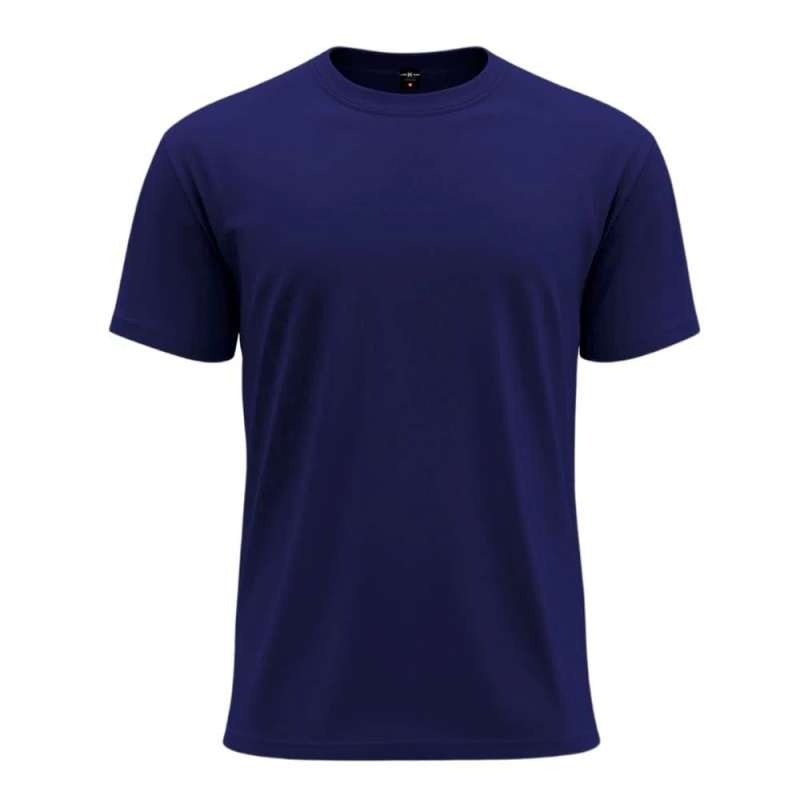
Choosing Industry-Specific Uniform Ranges is one of the simplest ways to improve consistency, safety, and professionalism across a workforce. When uniforms are matched to the demands of a specific role, staff move more comfortably, teams look more organised, and employers find it easier to meet workplace expectations around hygiene, protection, and presentation.
For many businesses, uniforms are not only about branding. They’re part of the operating standard. Whether you’re sourcing Chef Wear,Security Wear,Medical PPE or outfitting multiple departments under one roof, the right ranges reduce guesswork and support compliance by design, not by accident.
Why Industry-Specific Uniform Ranges matter for compliance
Compliance looks different across industries, but the goal is always the same. You want the right people wearing the right protective and professional gear for the environment they work in. When businesses buy generic uniforms for specialised roles, problems usually show up quickly. Garments fail early, staff are uncomfortable, and the uniform does not align with the standards expected on site.
Industry-specific uniform ranges help because they’re built around real job demands. That includes fabric type, fit, durability, and practical features like pocket placement, closure styles, and ease of cleaning. These details support compliance because they make correct wear more likely. If a garment is uncomfortable, restrictive, or not fit for the environment, staff are less likely to wear it properly throughout a shift.
Compliance also includes consistency. When teams are kitted in a defined range, it becomes easier to enforce uniform policies and maintain standards across new starters, replacements, and seasonal staff.
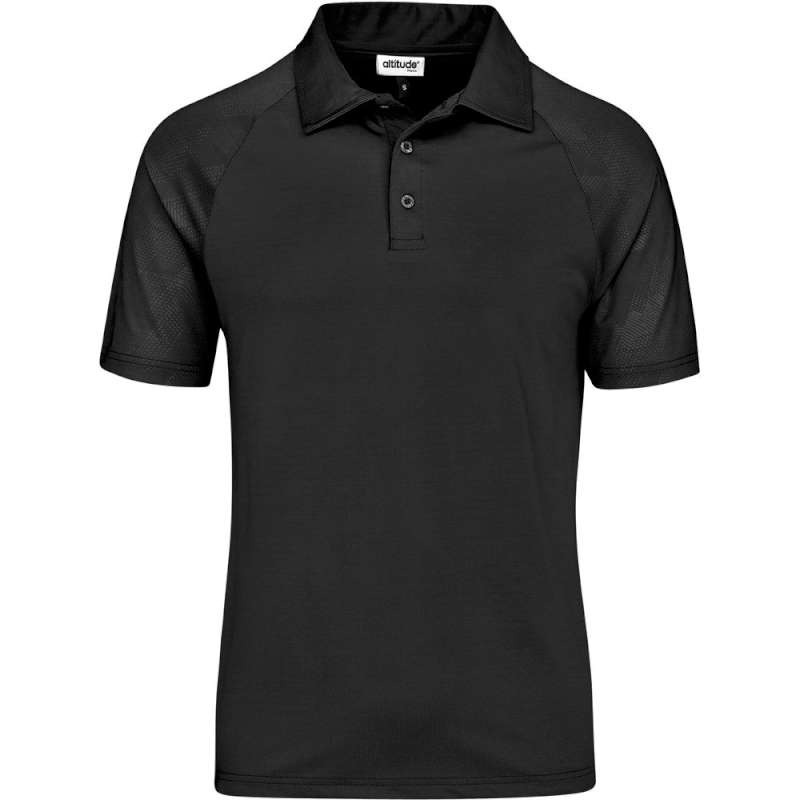
What compliance means in uniform sourcing
In practical terms, compliance in uniform sourcing usually covers three areas. Protection for the job, hygiene for the environment, and presentation for public-facing work.
Protection means the uniform supports the risks of the role. That could include coverage, durable construction, or compatibility with PPE. Hygiene means garments can be cleaned appropriately for the setting and still hold up over time. Presentation means the uniform supports a professional appearance that matches the workplace and customer expectations.
When you select industry-specific ranges, you are reducing the chance of a mismatch between the uniform and the job. That is one of the most effective ways to support compliance without constantly policing uniform issues on the floor.
Chef wear designed for hygiene, safety, and fast-paced shifts
Chef wear is one of the clearest examples of why industry-specific ranges matter. Kitchens are hot, busy, and demanding. Uniforms must support movement, withstand frequent washing, and maintain a neat look under pressure. Hygiene expectations are also high, and uniforms need to be easy to keep clean without falling apart after repeated laundering.
How chef wear supports kitchen compliance
Chef jackets, trousers, and aprons are not just tradition. They help protect staff, reduce contamination risk, and keep teams consistent in presentation. A chef uniform that fits properly reduces snagging and improves mobility around heat and equipment. Fabric choices and construction also matter because kitchen garments are washed frequently and need to keep shape and strength.
Chef wear becomes a compliance issue when uniforms become worn, stained beyond recovery, or inconsistent across staff. Industry-specific ranges make it easier to maintain a standard because replacements match the same cut and look.
What to look for in chef uniforms that last
Durability matters in chef wear because weak seams and low-quality fastenings fail quickly in daily use. Strong construction, reinforced stress points, and practical fits all support longer wear and fewer emergency replacements. When chef wear lasts, it helps the kitchen maintain a consistent look and reduces downtime caused by uniform problems.
Security wear that balances authority, comfort, and site standards
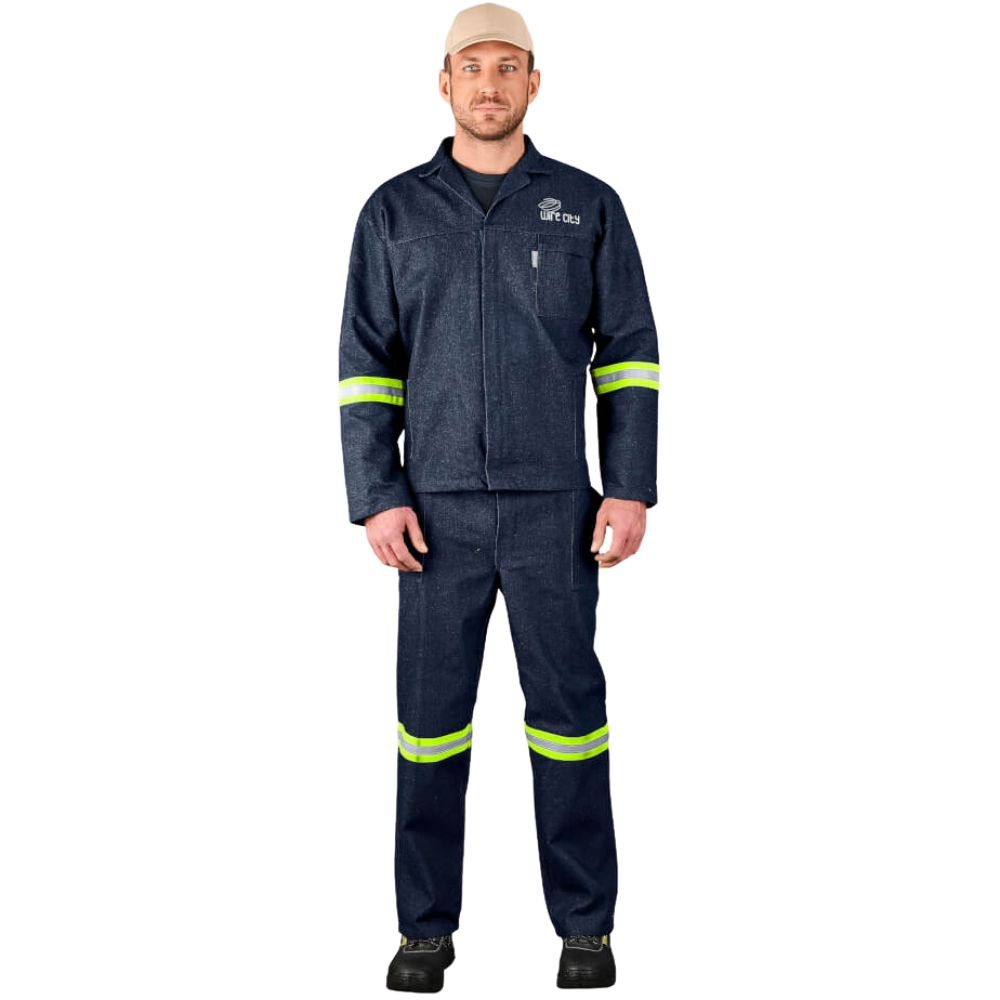
Security teams are often the most visible people on a site. Their uniforms are part of how safety and order are communicated. A security uniform must look professional, allow movement, and hold up to active shifts that can include patrolling, standing for long hours, and working in changing conditions.
Why security wear impacts compliance and public trust
Security uniform compliance is often tied to site policy and performance expectations. A uniform that looks inconsistent, worn, or poorly fitted can reduce the sense of authority that security teams need to do their job effectively. It can also create confusion for visitors and staff who rely on clear identification.
Industry-specific security wear helps create consistent presentation across shifts and teams. It also supports comfort, which matters because discomfort leads to staff adjusting garments, wearing incorrect items, or mixing non-uniform pieces into their kit.
Practical features that improve security uniform performance
Strong fabrics, reinforced seams, and reliable fit are foundational. Security uniforms also need practical design features that support duty requirements such as pockets that sit correctly and garments that maintain shape through repeated wear. When security wear is built for the job, the team looks consistent and the uniform remains fit for purpose over time.
Medical PPE and uniforms built around hygiene and protection
Healthcare settings require a different approach entirely. Medical uniforms and PPE must support hygiene, comfort, and professional appearance while also working within the realities of long shifts and constant movement. Medical PPE is closely tied to safety expectations, and the wrong product or inconsistent quality can create risk.
How medical PPE supports compliance and safe work routines
Medical PPE is about reducing exposure and supporting hygienic practice. Compliance includes wearing the correct items for the setting and ensuring they are used properly. Uniforms and clinical garments also matter because they must withstand frequent cleaning and still present a neat, professional standard.
Industry-specific medical ranges help standardise what staff wear and how the workplace presents itself to patients. This supports trust, reduces confusion, and helps managers maintain consistency across departments.
Comfort and durability in medical uniform ranges
Comfort matters in healthcare because staff are on their feet for long periods and need freedom of movement. Durable construction matters because frequent washing and daily wear can break down weak garments quickly. When medical uniforms hold up, they support compliance by staying clean, tidy, and wearable without constant replacement.
How Industry-Specific Uniform Ranges improve procurement
Buying uniforms can become chaotic when businesses purchase items in small batches without a plan. Different suppliers, changing fits, and inconsistent colours lead to mismatched teams and higher replacement costs. Industry-specific ranges simplify procurement because you can standardise what each role wears and reorder with confidence.
This is especially important for businesses with multiple departments, such as facilities that have kitchens, security, and medical or first-aid functions on the same site. Using defined ranges allows you to manage stock, forecast replacements, and maintain a consistent standard across the organisation.
It also helps with onboarding. When a new staff member starts, you already know exactly what they need. That reduces delays, improves presentation, and supports compliance from day one.
The role of heavy-duty construction in compliance-ready uniforms
Compliance is easier to maintain when uniforms last. When garments fail early, staff end up wearing damaged items or mixing alternatives that do not meet standards. Strong construction, including reinforced seams and reliable finishing, helps uniforms stay wearable and presentable longer.
Durability also supports hygiene and safety. A uniform that holds its shape and structure through repeat use is more likely to perform as intended. In chef wear and medical uniforms, this can directly impact how easily garments can be cleaned and maintained. In security wear, it affects how well the uniform continues to look professional and consistent.
Industry-Specific Uniform Ranges FAQ
What are Industry-Specific Uniform Ranges?
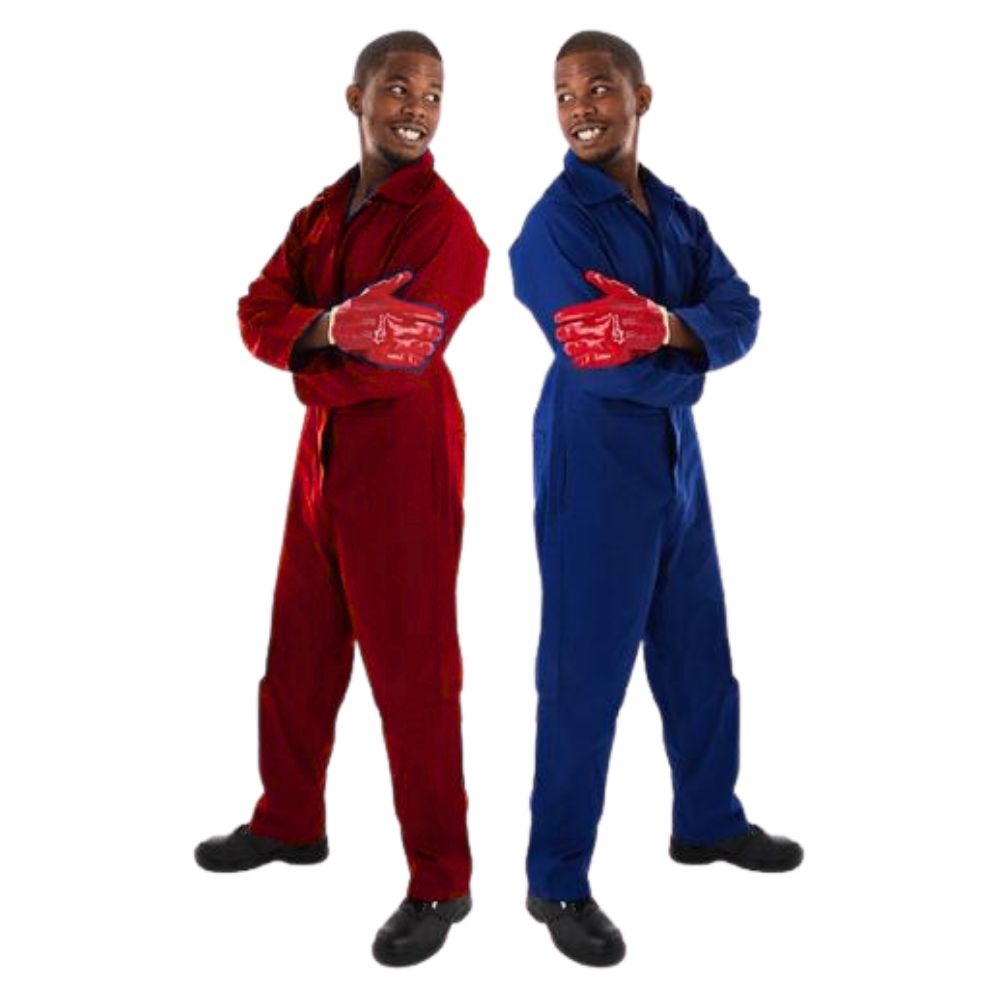
Industry-specific uniform ranges are workwear lines designed for specific job roles and environments. They consider factors like movement needs, durability, hygiene requirements, and professional presentation. Choosing a defined range makes it easier to maintain consistency and meet workplace standards.
How do Industry-Specific Uniform Ranges support compliance?
They support compliance by matching garments to the expectations of the role. When uniforms are designed for the job, staff are more likely to wear them correctly and consistently. Standardised ranges also make it easier for managers to enforce uniform policies and keep teams aligned.
Why is chef wear treated differently from other uniforms?
Chef wear must handle heat, frequent washing, and hygiene expectations. Industry-specific chef uniforms support safe work routines and help maintain a clean, professional appearance in food environments. Generic uniforms often fail faster and do not support kitchen demands.
What should security teams prioritise in uniform ranges?
Security teams should prioritise consistent presentation, comfort for long shifts, and durable construction that holds up to active duty. A defined security range also improves identification and supports the authority and trust that security teams need on site.
How do Chef Wear, Security Wear, Medical PPE fit into one uniform plan?
These categories cover very different requirements, which is why industry-specific ranges matter. When each role has a defined range, procurement becomes simpler and teams stay consistent. It also helps maintain compliance because each department receives uniforms designed for their environment.
Industry-Specific Uniform Ranges: Choose the right ranges for compliance and long-term value
If your business is sourcing uniforms across multiple roles, Industry-Specific Uniform Ranges are one of the most practical ways to improve compliance, presentation, and durability. Matching uniforms to real job demands helps staff stay comfortable, reduces replacement churn, and keeps teams looking consistent across every shift.
If you’re reviewing Chef Wear,Security Wear,Medical PPE or building a full uniform standard for your workforce, start by defining the compliance needs of each role, then choose ranges built to meet those needs from day one.
