
Workwear
Safety Workwear: Why It Matters for Every Industry

Safety workwear is more than a workplace requirement. It is a practical safeguard that protects employees from daily risks while helping businesses maintain professional standards. For companies operating in construction, logistics, manufacturing, mining, and other high-risk sectors, the right clothing plays a direct role in reducing injuries and improving on-site accountability.
Pansula Workwear supplies safety clothing and protective garments designed to meet the demands of tough working environments. Businesses that invest in high-quality safety workwear are not only protecting their teams but also supporting long-term operational stability.
What Is Safety Workwear and Why Is It Important?
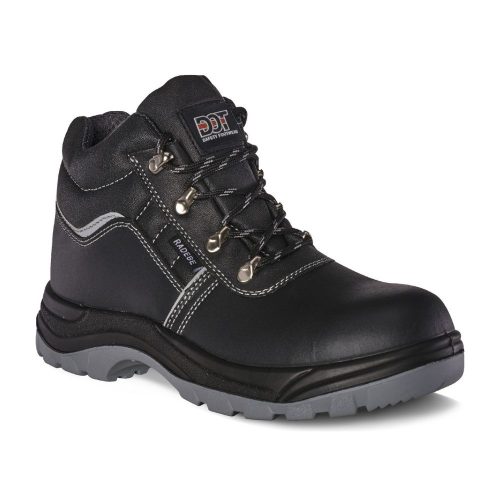
Safety workwear refers to clothing specifically designed to protect workers from hazards in their working environment. This can include high visibility garments, protective overalls, flame-resistant clothing, safety footwear, and other protective items suited to particular tasks.
In many industries, hazards are part of the job. These can include exposure to heavy machinery, moving vehicles, sharp objects, extreme temperatures, or chemical substances. Safety workwear acts as a barrier between the worker and these risks.
Beyond physical protection, safety workwear also promotes visibility and team identification. When staff are clearly dressed according to site requirements, supervisors can easily identify authorised personnel and ensure compliance with workplace standards.
The Link Between Safety and Compliance Workwear and Workplace Regulations
Safety and compliance workwear is closely tied to occupational health and safety regulations. Employers are responsible for conducting risk assessments and providing suitable personal protective clothing where hazards are present.
Compliance is not only about meeting legal obligations. It also helps prevent workplace incidents that can result in downtime, compensation claims, and reputational damage. Wearing compliant garments reduces the likelihood of preventable accidents.
Safety and compliance workwear is manufactured according to recognised standards that address fabric strength, reflective properties, flame resistance, and overall durability. Choosing garments that meet these standards ensures that the protection offered is reliable and consistent.
Key Types of Safety Workwear for Industrial Environments
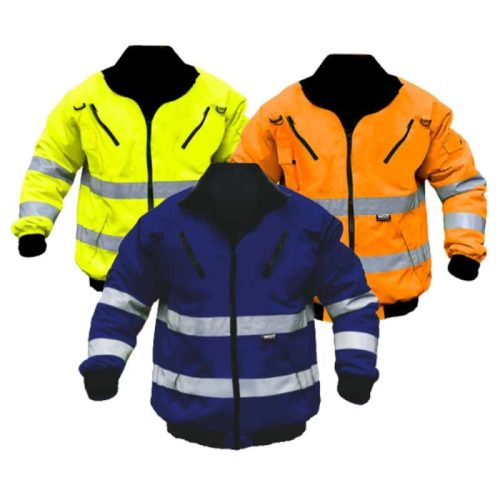
Different industries require different forms of protection. Construction teams often rely on high visibility jackets, reflective trousers, and durable overalls that can withstand outdoor conditions. Warehousing and logistics operations may prioritise lightweight garments that allow free movement while maintaining visibility around forklifts and loading areas.
In manufacturing and heavy industry, flame-resistant clothing or specialised protective wear may be necessary depending on the risk assessment. Safety workwear should always align with the specific hazards present in the workplace.
Businesses that take the time to assess their needs properly are better positioned to select safety and compliance workwear that matches both operational demands and regulatory expectations.
Durability and Comfort in Safety Workwear
Protective clothing must be durable, but it also needs to be comfortable. Workers who feel restricted or overheated are less likely to wear their safety workwear correctly throughout a shift.
Modern safety workwear is designed with practical considerations in mind. Breathable fabrics, reinforced stitching, and ergonomic cuts help ensure that garments last longer while remaining comfortable to wear. Proper fit also plays a role in safety, as loose or poorly fitted clothing can create additional hazards.
High-quality safety and compliance workwear maintains its structure and protective features even after repeated washing and exposure to harsh conditions. This reduces replacement costs and ensures consistent protection over time.
The Role of Branding in Safety and Compliance Workwear
For many companies, safety clothing also forms part of their brand identity. Uniformity across teams creates a professional image and reinforces company standards on site.
Branded safety workwear allows businesses to display logos and company details while maintaining compliance with safety requirements. This ensures that employees represent the company professionally without compromising on protection.
When branding is applied correctly, it does not interfere with reflective strips or protective features. The garment continues to function as intended while contributing to a cohesive corporate appearance.
Common Mistakes Businesses Make When Choosing Safety Workwear
One common mistake is selecting garments based solely on cost rather than suitability. Lower-quality products may not offer the level of protection required and can wear out quickly, leading to more frequent replacements.
Another issue is failing to match the clothing to the specific hazards identified in a risk assessment. Not all safety workwear is suitable for every environment. For example, high visibility garments designed for general use may not meet the requirements of more demanding industrial settings.
Businesses should also avoid overlooking employee comfort. If workers resist wearing their gear due to discomfort, compliance levels can drop. Investing in well-designed safety and compliance workwear supports both protection and consistent usage.
How Safety Workwear Supports a Culture of Responsibility
Workplace safety is not only about policies and procedures. It is also about creating a culture where protection is taken seriously. When management invests in proper safety workwear, it sends a clear message that employee wellbeing matters.
Visible compliance on site encourages accountability. Supervisors can quickly identify whether safety standards are being followed. Teams working together in uniform protective clothing reinforce a shared commitment to safe practices.
Over time, consistent use of safety and compliance workwear contributes to lower incident rates and a more structured working environment.
Maintaining and Replacing Safety Workwear
Safety workwear must be inspected regularly to ensure it remains effective. Faded high visibility fabric, damaged reflective strips, torn seams, or worn protective elements can reduce the level of protection provided.
Establishing clear guidelines for inspection and replacement helps businesses maintain compliance. Employees should be encouraged to report damaged clothing promptly so that replacements can be issued without delay.
Routine care and proper washing according to manufacturer instructions also extend the lifespan of garments. This protects the company’s investment and ensures that safety standards remain consistent.
Frequently Asked Questions About Safety Workwear
What is the purpose of safety workwear in industrial settings?
Safety workwear is designed to protect employees from workplace hazards such as moving machinery, falling objects, extreme weather, and low visibility conditions. It reduces the risk of injury while helping employers meet occupational health and safety obligations. Wearing appropriate safety clothing also promotes professionalism and clear identification on site.
What does safety and compliance workwear mean?
Safety and compliance workwear refers to protective clothing that meets recognised safety standards and regulatory requirements. These garments are manufactured and tested to ensure they provide the level of protection required for specific work environments. Compliance helps businesses avoid penalties while maintaining safer operations.
How do businesses choose the right safety workwear?
Selecting the right safety workwear starts with a thorough risk assessment. Employers must identify the hazards present in their environment and choose garments designed to address those risks. Factors such as durability, comfort, visibility, and industry-specific requirements should all be considered before making a decision.
How often should safety workwear be replaced?
Replacement depends on wear and tear as well as the working environment. If garments become damaged, faded, or lose their protective qualities, they should be replaced immediately. Regular inspections help ensure that safety and compliance workwear continues to perform as intended.
Can safety workwear be branded without affecting compliance?
Yes, safety workwear can be branded as long as the branding process does not interfere with protective features such as reflective strips or flame-resistant materials. Properly applied branding allows businesses to maintain a professional image while meeting safety standards.
Upgrade Your Safety Workwear for Better Protection and Compliance
Choosing the right safety workwear is a practical decision that affects daily operations, worker wellbeing, and regulatory compliance. Businesses that prioritise safety and compliance workwear create safer environments and support consistent on-site standards.
Pansula Workwear supplies durable, reliable safety workwear designed to meet the needs of demanding industries. If you are reviewing your current protective clothing or planning to improve workplace standards, explore suitable safety workwear solutions that align with your operational requirements.
