
Workwear
Corporate Wear, Casual Wear, Footwear: A Practical Guide to Company Casual Clothing That Still Works on the Job
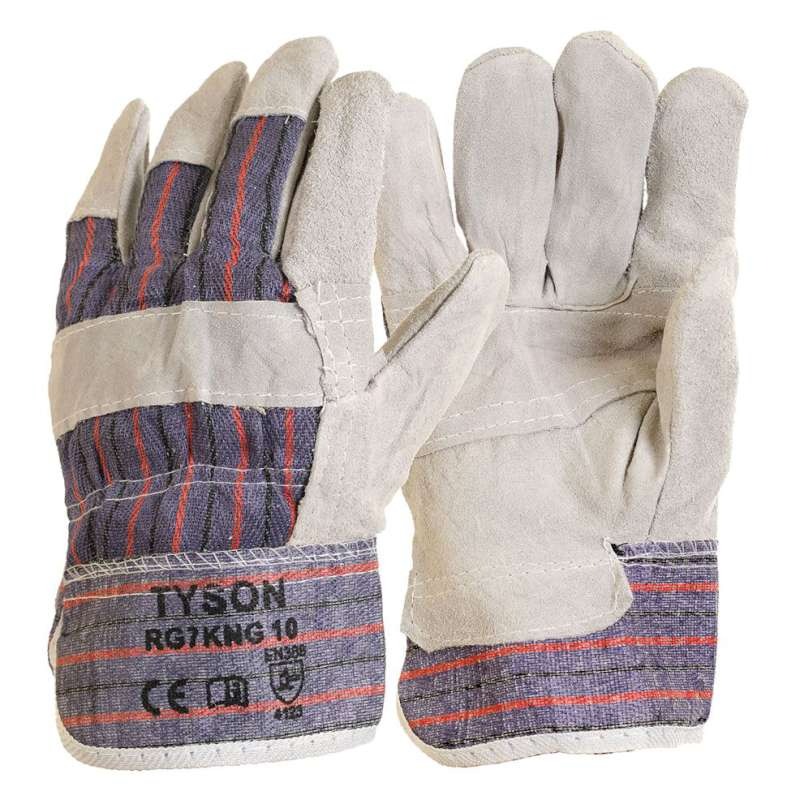
Corporate Wear, Casual Wear, Footwear choices affect how your team looks, how comfortable they are, and how consistent your company casual clothing stays over time. Many South African businesses want a uniform that feels professional without looking overly formal, and that works for staff who move between desks, shop floors, warehouses, vehicles, and client sites. The problem is that uniforms often get chosen based on appearance alone, then fall apart in real use when the fabric feels hot, the cut restricts movement, or the footwear causes fatigue by midday.
A better approach is to treat company casual clothing as working gear. It needs to hold up to long shifts, frequent washing, and everyday movement, while still presenting a neat, consistent look. This guide breaks down what corporate wear, casual wear and footwear are best for, who typically uses each category, and why breathable workwear fabric can make the difference between a uniform people wear properly and one they quietly avoid.
Why company casual clothing matters more than most businesses expect
Company casual clothing sits between formal office wear and heavy-duty workwear. It’s common for teams who represent the brand, interact with customers, and still do practical work during the day. That might include dispatch and admin staff who step into operational areas, supervisors moving across departments, service teams visiting customers, and sales teams who split time between offices and site visits.
Uniform standards are easiest to maintain when the clothing feels natural. If staff are comfortable, they tend to wear the uniform correctly and consistently. When clothing feels stiff, heavy, too hot, or poorly sized, people start improvising. Shirts get swapped out, colours stop matching, and footwear becomes a personal choice. Over time, the uniform loses its purpose because it no longer creates a consistent, professional look.
This is why company casual clothing should be selected for daily reality, not just first impressions. When the uniform suits the workday, it helps the business look organised and helps staff feel confident and comfortable without constant adjustments.
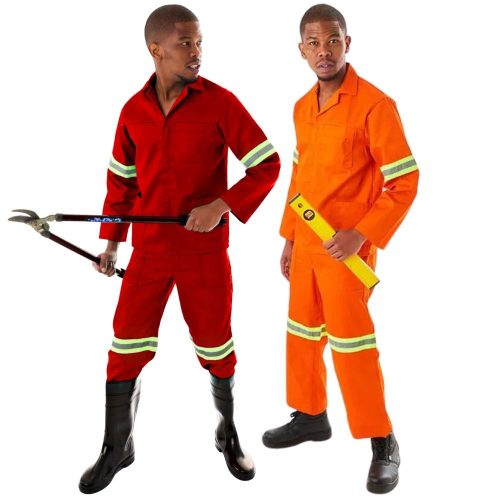
Corporate Wear that looks professional and still performs
Corporate wear is usually chosen for client-facing roles, front-of-house environments, admin teams, sales, and management. Even in those roles, the working day often includes movement, driving, standing for long periods, and stepping into different environments. Corporate wear needs to look neat, but it also needs to work.
Fit is one of the biggest factors. A shirt that pulls across the shoulders or sits tight through the chest becomes uncomfortable fast. Trousers that restrict movement lead to staff choosing alternatives, which breaks consistency. When corporate wear is sized properly and designed with movement in mind, it stays comfortable through the day and looks better in practice because people are not constantly adjusting it.
Fabric behaviour over time matters too. Corporate wear is worn often and washed often. Clothing that loses shape, creases badly, or fades unevenly starts to look tired even when it’s clean. That affects brand presentation, especially for staff who meet customers or represent the company off-site. Good corporate wear should keep its structure and appearance after repeated washing, which helps a business maintain a consistent standard without frequent replacement orders.
Casual Wear for teams that move, lift, travel, and work on the go
Casual wear suits teams that need comfort and mobility while still presenting a consistent company image. It’s common for operations support teams, warehouse supervisors, technicians, retail and hospitality support roles, internal service teams, and staff who move between locations. For these roles, the uniform must feel practical rather than restrictive.
The biggest mistake businesses make with casual wear is treating it as “anything comfortable”. Casual wear still needs to look like a uniform. Consistent colour, consistent fit, and a repeatable look across the team are what make it feel professional. When casual wear is chosen without a standard, teams end up with close-but-not-quite items that don’t match properly, look uneven on the floor, and create a mixed brand image.
Casual wear also needs to handle repeated wear. If items shrink, twist, or become uncomfortable after washing, staff replace them with personal clothing. That creates inconsistency and makes it harder for the business to maintain a uniform standard. Clothing that holds colour and fit through repeated use supports a cleaner, more reliable company casual clothing programme.
Footwear as the foundation of comfort and daily performance
Footwear is often the part of the uniform that affects staff most, because it directly impacts fatigue and focus. Even if clothing looks neat, uncomfortable shoes can make a shift feel longer and harder. For company casual clothing, footwear often needs to balance a professional appearance with real support for standing and walking.
Many roles that look “office-based” still involve a lot of time on hard floors, walking between areas, loading equipment into vehicles, or moving through mixed environments. Footwear should feel stable, support the foot properly, and remain comfortable after hours, not only in the first ten minutes.
Footwear quality also affects uniform consistency. When shoes wear out quickly or cause discomfort, staff replace them with whatever is available. That leads to mixed styles across the team and can create unexpected safety issues in environments with slick floors, changing surfaces, or high foot traffic. Choosing a consistent, comfortable footwear option makes the uniform look more aligned and reduces complaints, because staff are not fighting their shoes through the day.
Why breathable workwear fabric changes the whole uniform experience
Breathable workwear fabric is one of the most practical features a uniform can have, especially in warm conditions or roles that include physical movement. When clothing traps heat, staff become uncomfortable and start adjusting the uniform. That might be unbuttoned shirts, rolled sleeves, removed layers, or swapping items entirely. Those small changes quickly reduce uniform consistency.
Breathable fabric helps staff stay comfortable and keeps the uniform looking neater through the day. When people feel better in the clothing, they adjust it less and wear it more consistently. This becomes especially important in company casual clothing because the uniform is often worn across many hours, across different environments, and often with frequent movement.
Fabric choice also impacts how the uniform holds up over time. Breathable workwear fabric that maintains shape and comfort after repeated washing supports long-term uniform consistency. When the fabric becomes stiff, loses its structure, or turns uncomfortable after laundering, replacement cycles speed up and the team’s look becomes uneven as staff replace items at different times.
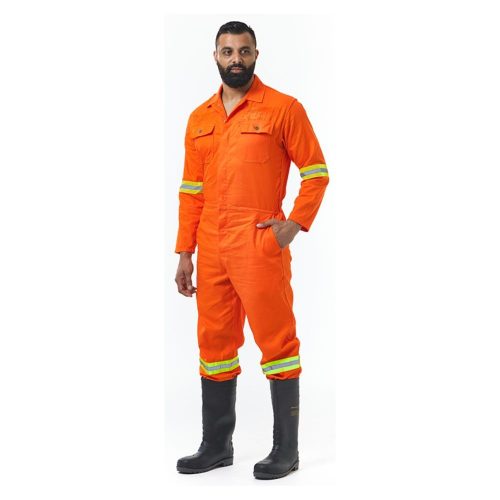
Who typically uses Corporate Wear, Casual Wear, Footwear as a uniform set
Corporate wear usually suits roles where presentation and customer interaction are central. This includes reception, admin, sales, supervisors, and management teams who represent the business day to day. Casual wear suits teams that need more movement and comfort while still maintaining a consistent brand look, such as operations support staff, technicians, field teams, and teams that move between office and work areas.
Footwear is universal across both categories. Every team walks, stands, moves between spaces, and deals with hard floors or mixed surfaces. That’s why footwear should be chosen with the same care as shirts and trousers, not treated as an afterthought.
Many businesses get the best result by building a “uniform family” that stays consistent in colour and overall style while allowing small variations across departments. This keeps the brand aligned without forcing one clothing style onto every role, and it makes it easier for staff to stay comfortable while still looking consistent.
How to build company casual clothing that works across departments
A practical approach starts with the workday, not the catalogue. Consider where each team spends time, how much they move, and what they need to look like in front of customers. A sales team may need a more structured corporate look, while a warehouse supervisor may need casual wear with better movement and comfort. Both can still look aligned if colour and style are consistent.
Fit and sizing should be managed deliberately. If staff can’t get the right size, they will either size up and lose the intended look, or avoid the uniform. A uniform programme becomes far easier to maintain when the size range is realistic for the team and the cut supports comfort without looking sloppy.
Consistency should focus on what matters most. When the business keeps colour, branding, and general styling consistent, it can allow department-specific choices for comfort and function without losing the overall uniform identity. That balance is what makes company casual clothing sustainable, because staff feel comfortable and the brand still looks organised.
Care and washing habits that protect the uniform standard
Uniforms are judged over months, not days. Clothing that looks good initially but fades, shrinks, or loses shape quickly becomes expensive because replacements happen constantly. When replacements happen at different times, teams end up wearing different versions of what was meant to be one consistent look.
Rotation helps. When staff have enough garments to rotate through the week, each item lasts longer and stays presentable for longer. This also reduces the temptation to substitute personal clothing while a uniform item is being washed.
Footwear longevity depends on whether it matches the environment. Shoes exposed to dust, moisture, or rough surfaces wear down quickly when they’re not designed for that daily use. Choosing footwear that suits the workplace and caring for it sensibly reduces early replacement and supports a consistent look across the team.
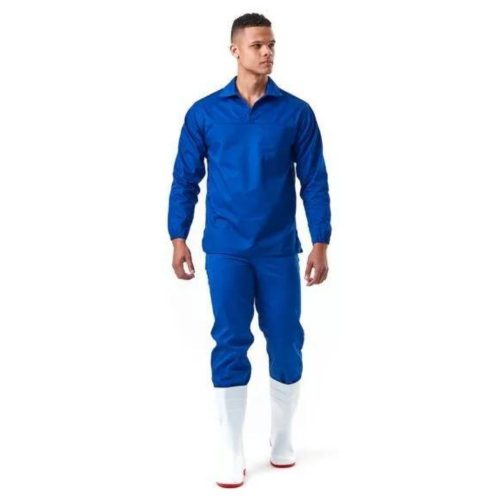
FAQ: Corporate Wear, Casual Wear, Footwear
What is the difference between corporate wear and casual wear in a uniform programme?
Corporate wear is usually chosen for a more polished, client-facing look and is common for reception, admin, supervisors, sales, and management roles. Casual wear is typically chosen for teams that need more movement and all-day comfort while still maintaining a consistent branded appearance. Many businesses use both because different departments have different daily demands, and forcing one style onto every role often leads to discomfort and inconsistency. The strongest uniform programmes match corporate and casual wear to how each department works in real life.
Why does breathable workwear fabric matter for company casual clothing?
Breathable workwear fabric helps staff stay comfortable through warm weather, busy indoor environments, and roles that include physical movement. When clothing traps heat, people adjust or avoid the uniform, which breaks consistency and reduces the professional look the uniform is meant to create. Breathability supports better all-day wear, keeps garments looking neater through the shift, and reduces complaints that often lead to staff replacing uniform items with personal clothing. It’s one of the most practical features for long-term buy-in and uniform consistency.
How do we choose footwear that works for both comfort and a professional look?
Start by looking at how much standing and walking the role involves and what surfaces staff are on daily. Footwear should fit correctly, feel stable, and stay comfortable after hours on hard floors, not just at the start of the day. For a professional look, the shoe should also be consistent across the team so the uniform standard stays aligned. When footwear is comfortable and durable, staff are less likely to swap it out for personal options, which protects both presentation and day-to-day comfort.
What causes company casual clothing to look inconsistent across a team over time?
Inconsistency usually comes from uneven wear and uneven replacement. Some items fade faster, some shrink, and some lose shape, especially when fabric quality is poor or when garments are washed frequently. Discomfort is another major driver, because staff start avoiding the uniform or replacing items with personal alternatives that don’t match. A stable programme includes realistic sizing, consistent colours, comfortable fabric choices, and enough rotation so items last longer. That reduces the drift into mixed styles and keeps the team looking aligned.
Should one uniform set be used across every department?
Not always. A single set can work for some businesses, but many organisations get better results with a uniform family that stays consistent in colour and branding while allowing department-appropriate variations. Corporate wear may suit front-of-house and management roles, while casual wear suits operational support roles that need more movement. Footwear may also need role-based differences depending on daily walking and surface conditions. The goal is practical alignment, so staff wear the uniform properly and the business maintains a consistent, professional look.
Corporate Wear, Casual Wear, Footwear: Request a uniform recommendation
If you’re building company casual clothing that balances brand presentation with comfort, the right mix of corporate wear, casual wear and footwear makes uniform standards easier to maintain and reduces replacement costs over time. When breathable workwear fabric and fit are chosen properly, staff are more likely to wear the uniform consistently, which improves the overall look across the team.
Share your team size, role types, and daily working conditions with Pansula Workwear, and request guidance on corporate wear, casual wear and footwear options that match real use. Use the Contact page to start the process and build a uniform set that feels comfortable, looks consistent, and holds up to daily wear.
