
Workwear
Chef Wear, Security Wear, Medical PPE: Long-Lasting Uniforms That Hold Up Shift After Shift
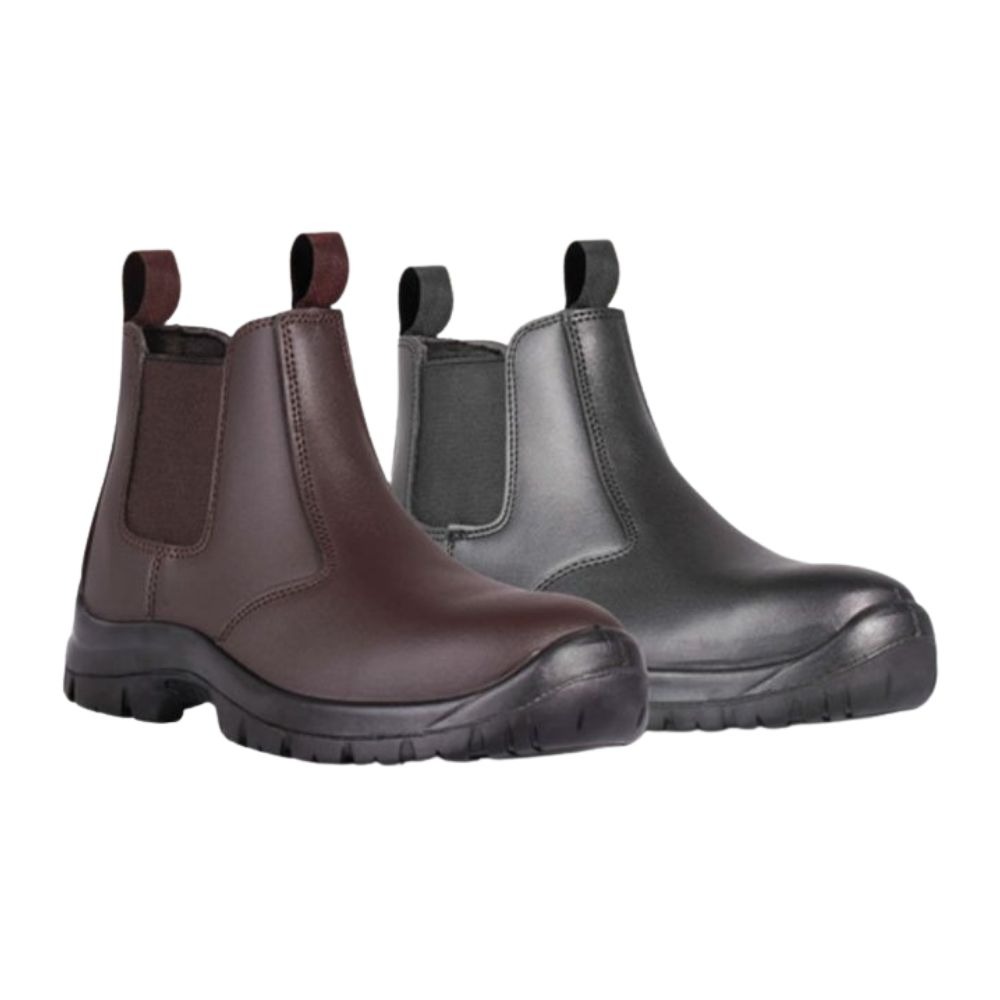
Choosing the right Chef Wear, Security Wear, Medical PPE is not just about looking professional. It’s about staying comfortable, staying protected, and making sure your team’s uniforms do not fail halfway through a long day. When workwear is built to last, it saves time, reduces replacements, and keeps staff focused on the job instead of torn seams, worn knees, or loose buttons.
If you’re buying uniforms for a kitchen, a security team, or a medical environment, durability needs to be part of the decision from the start. Fabric choice matters, but construction matters just as much. That is where heavy duty stitching becomes the difference between uniforms that last a season and uniforms that last through real work.
Why long-lasting uniforms matter in kitchens, security, and healthcare
Uniforms take daily strain in ways most people do not see until problems start. Kitchen gear is exposed to heat, frequent washing, and constant movement. Security uniforms deal with friction, outdoor conditions, and active shifts that involve standing, walking, and patrol work. Medical wear and PPE have to support hygiene and comfort while keeping staff looking neat and prepared.
When uniforms wear out quickly, costs rise in small ways that add up. You replace items more often, staff end up mismatched, and you lose time managing supply. Long-lasting uniforms reduce those headaches and help keep your team consistent and ready across every shift.
Durability also helps your brand. A clean, professional uniform signals competence to customers, patients, and the public. It’s one of the simplest ways to look organised without saying a word.

Chef wear that stays comfortable and presentable through busy service
Chef uniforms need to handle tough conditions while still allowing movement and airflow. A good chef jacket should sit comfortably through long hours, keep its structure after repeated washing, and avoid weak points at the seams. Chef trousers need to hold shape, resist wear, and allow easy movement when staff are constantly bending, lifting, and moving at pace.
What to prioritise when buying chef jackets and trousers
Chef wear performs best when the fit is practical and the stitching is strong where movement is constant. Look for reinforced seams, quality fastenings, and fabric that can handle frequent laundering without losing comfort. Aprons and accessories should also be chosen for durability, because they often take the most direct daily wear.
How heavy duty stitching improves chef wear performance
In kitchens, stress points show up quickly. Underarm seams, side seams, pockets, and apron ties often fail first when stitching is light. Heavy duty stitching helps prevent seam splits and fraying, especially when garments are washed frequently and worn for long hours.
Security wear built for movement, durability, and authority
Security uniforms have a different job than most workwear. They need to look sharp and consistent, while also holding up to active shifts and changing conditions. A uniform that looks good but wears out quickly becomes a problem fast, because security teams often need consistent presentation every day.
What makes security uniforms last longer
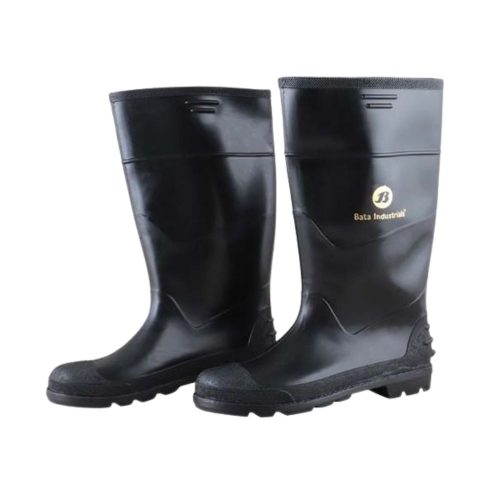
Durability in security wear starts with fabric strength and continues with construction. Pants should be reinforced at common stress areas. Shirts should hold shape and resist seam strain during movement. Items like belts, caps, and footwear should be selected for daily use, not occasional wear.
Oversight areas where stitching matters most
Security wear often fails at high-movement points, like the seat, inner leg seams, pockets, and shoulder seams. When stitching is reinforced properly, it reduces blowouts and tearing and helps the uniform keep its shape and fit across long duty cycles.
Medical PPE that supports hygiene, comfort, and daily wear
Medical environments demand clean, consistent presentation and practical comfort. PPE and medical workwear should allow staff to move freely, stay comfortable through long shifts, and maintain a professional look that supports patient confidence.
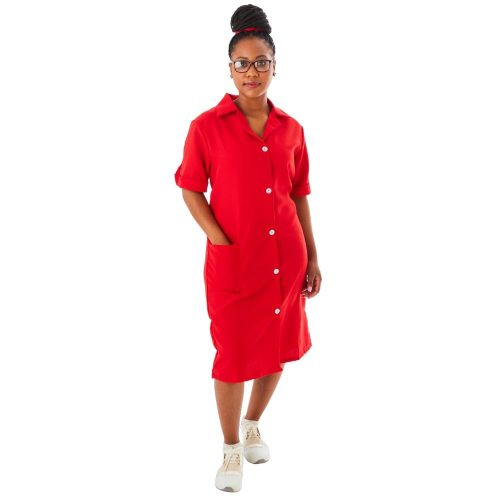
Medical PPE can include items like masks, disposable wear, lab coats, and scrub sets, but the core goal remains the same. Staff need gear that supports the work without causing distraction or discomfort.
Why medical workwear needs to handle repeat use
Healthcare garments often face repeat wear and frequent washing. If fabric is too light or stitching is too weak, the uniform begins to look tired quickly. That is not only a cost issue, it also affects professional appearance. Strong construction helps scrubs, lab coats, and related garments hold their shape and last longer under routine cleaning cycles.
Where heavy duty stitching fits into medical uniforms
In medical workwear, stitching matters most around pockets, sleeves, side seams, and areas that get pulled during movement. Heavy duty stitching improves longevity and helps reduce early wear, especially in high-use environments where staff are constantly moving and using pockets and tools throughout the day.
What “heavy duty stitching” actually means for your uniforms
People often hear the phrase and assume it is marketing, but in uniforms, stitching is function. Heavy duty stitching generally refers to stronger thread, tighter seam construction, and reinforced seam techniques at stress points.
When uniforms are used daily, seams take pressure every time someone bends, reaches, lifts, or moves at speed. If stitching is light, those seams loosen and fail early. When seams are reinforced, the garment holds together longer, keeps its fit, and looks better over time.
This is one of the simplest quality indicators to look for when comparing uniforms, because it directly affects how long the uniform stays wearable.
How to choose the right uniform range for your team
Most uniform issues happen when buyers choose based on appearance alone. The best approach is to choose based on the job role, the conditions, and the movement demands of the shift.
Start by thinking about what your staff does in a day. If they work near heat, you need comfort and fabrics that cope with repeated washing. If they patrol or work outdoors, you need durability, mobility, and consistent appearance. If they work in a medical space, you need hygiene support and uniforms that stay neat and practical.
Once you match the uniform to the job, you’ll reduce replacements and improve how staff feel wearing it.
Sizing, fit, and consistency across a full team
Uniform buying becomes easier when sizing is handled properly from the start. A consistent sizing approach keeps the team looking uniform and reduces returns or re-orders. It also improves comfort, which matters more than many managers expect.
A uniform that fits well is less likely to tear because it is not pulling at seams. It also improves movement and makes staff feel more confident, especially in public-facing roles like security and healthcare.
If you’re ordering for a full team, it helps to standardise how sizes are collected and to ensure the same styles and fits are used across new starters and replacements.
Care and maintenance that helps uniforms last longer
Even the best uniforms wear out faster when care is inconsistent. Kitchen and medical items are washed frequently, so care routines matter. Security uniforms often need regular cleaning to maintain appearance and presentability.
Consistent washing routines, correct drying practices, and replacing items before they fail completely helps maintain a professional look. It also protects the parts of the uniform that take the most strain, like seams and fastenings.
If you are investing in long-lasting uniforms, basic care habits help you get the full value from that investment.
Chef Wear, Security Wear, Medical PPE FAQ
How do I know if chef wear is built to last?
Look for garments that feel structured without being stiff, and check the seams at high-movement points like underarms and side seams. Durable chef wear often holds its shape after washing and shows reinforcement at stress areas. If the stitching looks light or loose, it usually won’t hold up well in a busy kitchen environment over time.
Why does heavy duty stitching matter for security wear?
Security uniforms take strain during walking, bending, and long duty shifts. Heavy duty stitching helps prevent seam splits, tearing at pockets, and wear at key movement points. It also helps the uniform keep its fit and appearance longer, which is important when your team needs consistent presentation every day.
What medical PPE items should be prioritised for long shifts?
For long shifts, focus on comfort, practical fit, and hygiene support. Scrub sets and lab coats should allow movement and keep a neat appearance throughout the day. PPE items like masks and disposable wear should match the working environment. Choosing quality construction also helps reduce early wear in daily-use items like scrubs and coats.
Can long-lasting uniforms reduce costs for businesses?
Yes. Long-lasting uniforms reduce the frequency of replacements, reduce downtime caused by uniform issues, and help teams stay consistent in presentation. Over time, uniforms that hold up better usually cost less per wear, especially in high-use environments like kitchens, security operations, and healthcare facilities.
How can a business keep uniforms consistent across multiple roles?
Start with a clear standard for each role, then keep the same styles and colour choices when adding new staff or replacing items. Collect sizing in a consistent way and reorder from the same ranges where possible. This approach keeps the team looking organised and avoids the mismatched look that happens when uniforms are purchased in small batches without a plan.
Chef Wear, Security Wear, Medical PPE: Get uniforms that last longer
If you’re buying Chef Wear, Security Wear, Medical PPE for a team, durability should be part of the decision from the start. Choosing uniforms with heavy duty stitching and practical construction helps your staff stay comfortable and presentable while reducing replacements over time.
For a smoother buying process, bring your role requirements, sizing needs, and quantities together upfront so you can match your team to the right uniform range and keep your supply consistent as your business grows.
